


Free Shipping
Supports worldwide free shipping
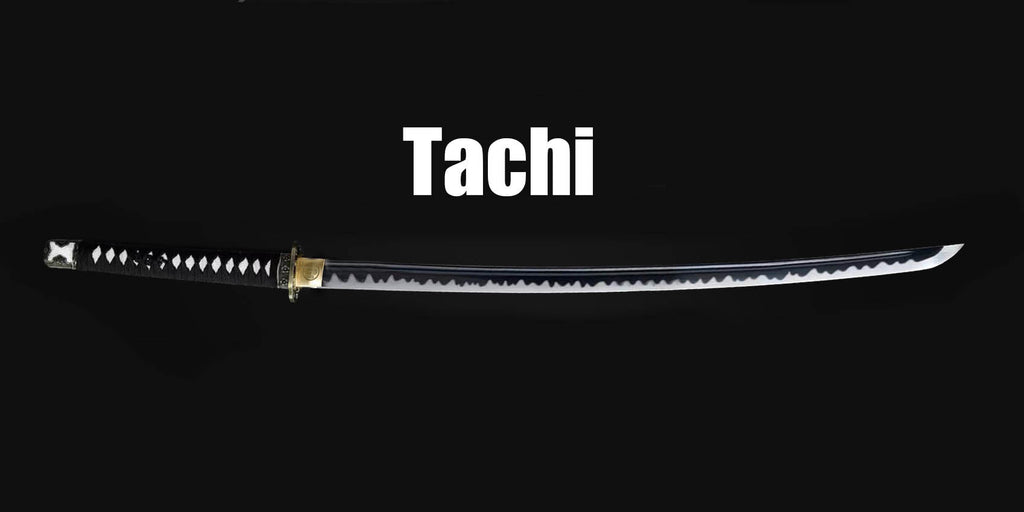
Among the many Japanese blade weapons, the Tachi undoubtedly stands as one of the oldest and most culturally significant samurai blades in history. If you're exploring different katana sword types, comparing types of samurai sword, or researching historical different katanas, then learning about the Tachi is an essential first step. 1. Difference Between Tachi and the Modern Katana — Tachi vs Katana When discussing katana sword types, many people confuse Tachi...
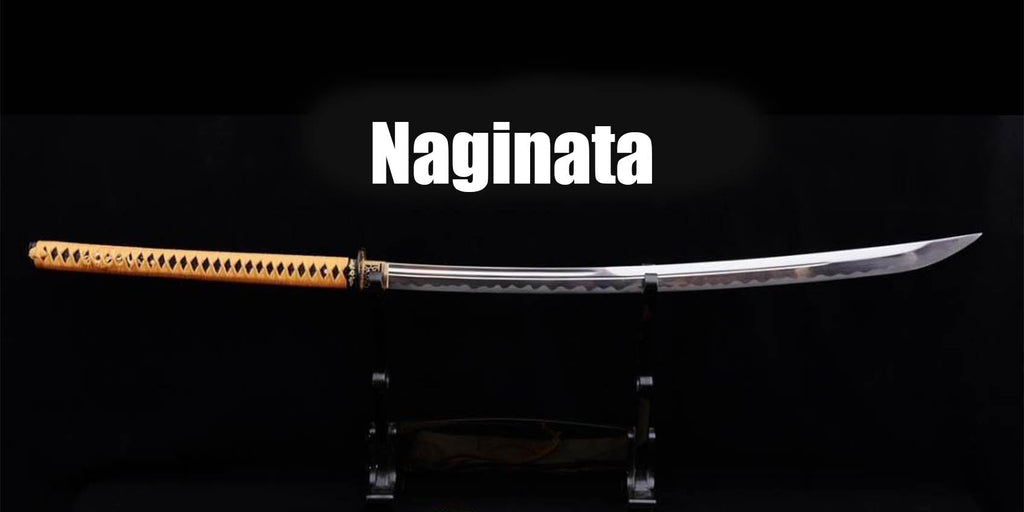
Among the many Japanese blade weapons, the katana is widely recognized as one of the most iconic cold weapons. To properly master how to use a katana sword, it is essential not only to learn its techniques but also to understand its structure, variations, and historical background. This article provides a comprehensive introduction to katana styles, parts of a katana, katana sword types, and other Japanese weapons like the naginata, helping...

Can You Sharpen a Samurai Sword? Understanding the Difference Between Sharp and Unsharpened Blades The samurai sword, as a symbol of traditional Japanese warrior culture, has long transcended the realm of cold weapons. It represents a unique combination of artistic craftsmanship, historical legacy, and the spirit of the samurai. More than just a deadly weapon, it is a work of art—every detail, from the forging of the blade and the...
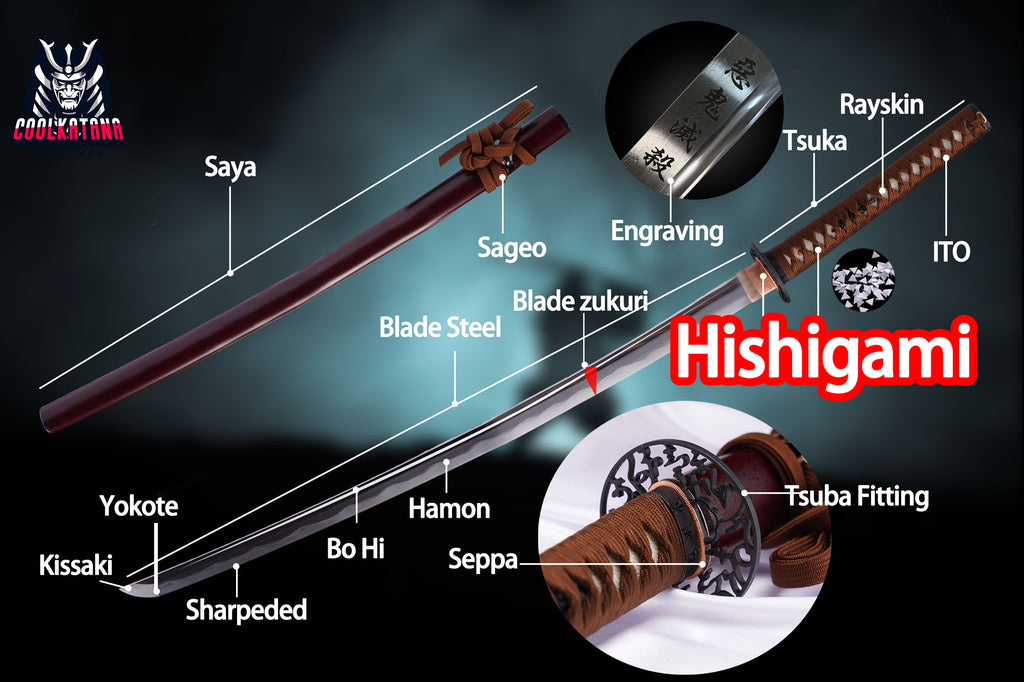
In the process of traditional Japanese samurai sword making, every detail plays a crucial role in determining the sword's quality and performance. Hishigami is one such important technique often used to improve the sword's stability and durability. In this article, we will explore the uses, advantages, and features of Hishigami to help readers understand its significance in samurai sword crafting. 1. What is Hishigami (菱神)? Hishigami refers to paper wedges or paper...