


Detaillierte Anleitung zu Katana-Teilen: Klinge, Griff, Stichblatt und Scheide erklärt
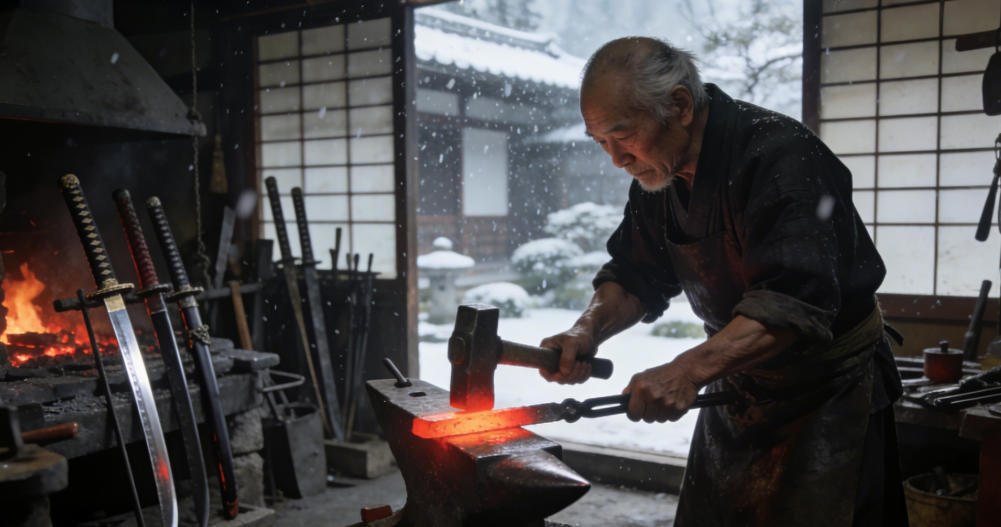
Was sind die Teile eines Katana und wie funktionieren sie in einem Samuraischwert?
In der Geschichte der Klingenwaffen gilt das japanische Katana als eines der ikonischsten Schwerter. Ob in der Samuraikultur, im Schwertkampf-Training oder beim modernen Sammeln, das Katana hat einen immensen historischen und künstlerischen Wert.
Daher ist das Verständnis, was ein Katana ist und die Katana-Schwertteile (der Aufbau eines Samuraischwerts), unerlässlich für das Studium der japanischen Schwertkultur, der Kampfkünste und des Waffendesigns. Für Sammler, Schwertliebhaber und Kampfkünstler hilft das Wissen um die Namen und Funktionen der Teile eines Schwertes, Teile des Schwertes, Katana-Teile, die Designphilosophie dieser legendären Waffe besser zu würdigen.
Dieser Artikel bietet eine detaillierte Aufschlüsselung der Katana-Schwertteile, einschließlich Klinge, Griff und Scheide, und erklärt die Rolle jeder Komponente im japanischen Schwertdesign.
Was ist ein Katana? Vollständige Definition und kulturelle Bedeutung
Das Katana (Samuraischwert) ist eine der symbolträchtigsten Waffen des japanischen Feudalzeitalters. Es ist nicht nur ein Kriegswerkzeug, sondern auch ein Symbol für die Identität, Ehre und den Geist eines Samurai. Traditionell ist ein Katana ein einseitig geschliffenes, leicht gekrümmtes Langschwert, das typischerweise aus wiederholt gefaltetem Kohlenstoffstahl gefertigt und mit differentieller Härtung versehen wird, wodurch das charakteristische Klingenmuster, der Hamon, entsteht. Dieser Prozess verbessert die Schärfe und Härte der Klinge bei gleichzeitiger Beibehaltung der Flexibilität, sodass sie Kampfbelastungen standhält, ohne zu brechen.
Historisch trugen Samurai zwei Schwerter als Teil des Daisho-Systems:
-
Katana (Langschwert): Die primäre Kampfwaffe, geeignet zum Schlitzen und Stoßen, im Allgemeinen 60–80 cm lang.
-
Wakizashi (Kurzschwert): Das Sekundärschwert, verwendet zur Nahverteidigung, für zeremonielle Zwecke oder im Innenkampf, symbolisierte auch den sozialen Status des Samurai.
Dieses Paar zeigte nicht nur den Status eines Samurai an, sondern spiegelte auch das Bushido (Ehrenkodex der Samurai) und das Streben nach persönlichem Ruhm wider. Das Tragen des Daisho bedeutete die Bereitschaft, die eigene Familie, das Territorium zu verteidigen oder Befehle auszuführen, während es gleichzeitig den persönlichen Rang und Geschmack zur Schau stellte.
Die Herstellung eines exzellenten Katana erfordert hohe Fähigkeiten und Präzision. Jeder Schritt – von der Stahlauswahl, dem Falten und Hämmern, der Wärmebehandlung bis zum Polieren der Klinge – beeinflusst direkt Schärfe, Zähigkeit und ästhetischen Wert. Daher ist das Verständnis der Katana-Teile und Teile des Schwertes entscheidend für die Bewertung der Schwertqualität und die Wertschätzung der Philosophie und Kunstfertigkeit hinter seinem Design.
Darüber hinaus demonstriert das Katana ein fortschrittliches taktisches Design und Ergonomie. Seine leicht gekrümmte Klinge verbessert die Schnitteffizienz, während der Griff (Tsuka) und die Scheide (Saya) zusammenarbeiten, um schnelle und präzise Züge zu ermöglichen. Jedes Katana-Teil – von der Schneide (Ha), Spitze (Kissaki), Rücken (Mune), bis zum Stichblatt (Tsuba), Griff (Tsuka) und Scheide (Saya) – spiegelt sowohl funktionale als auch künstlerische Meisterschaft wider.
Das Verständnis, was ein Katana ist, bedeutet nicht nur das Erlernen der Form einer Waffe, sondern auch das Erforschen der Samuraikultur, historischer Traditionen und fortschrittlicher metallurgischer Handwerkskunst. Für Sammler, Kampfkünstler und Historiker ist die Vertrautheit mit Katana-Schwertteilen und Teilen des Schwertes die Grundlage, um den Wert und das Erbe des Katana voll zu würdigen.

Teile eines Schwertes: Kompletter Überblick über die Katana-Struktur
Strukturell ist ein komplettes Katana-Schwert mehr als nur Klinge und Griff – es ist eine Hochleistungswaffe, die aus mehreren präzise konstruierten Komponenten besteht. Traditionelle Katanas verbinden praktische Kampffunktion mit Ästhetik und symbolischer Bedeutung. Daher ist das Verständnis der detaillierten Zusammensetzung von Katana-Schwertteilen und Teilen des Schwertes für Enthusiasten, Kampfkünstler und Historiker unerlässlich.
Ein Katana-Schwert besteht im Allgemeinen aus drei Hauptbereichen:
-
Klinge (Blade)
Die Klinge ist der Kernbestandteil des Samuraischwerts und verantwortlich für Schneiden und Verteidigung. Sie wird üblicherweise aus kohlenstoffreichem Stahl geschmiedet und durch gefaltetes Schmieden und differentielles Härten geformt, um das einzigartige Hamon-Muster zu erzeugen. Die Klinge muss sowohl scharf als auch widerstandsfähig sein, um starken Hieben und Stößen im Kampf standzuhalten. Intern umfasst die Klinge mehrere Abschnitte, wie die Schneide (Ha), den Rücken (Mune), die Spitze (Kissaki) und die Gratlinie (Shinogi), jede mit einer spezifischen Funktion und einem Designzweck. -
Griff (Tsuka / Handle)
Der Griff ist entscheidend für das Halten und Kontrollieren des Katana. Der traditionelle Tsuka besteht typischerweise aus Hartholz und ist mit Samegawa (Rochenhaut) umwickelt, um den Halt zu verbessern, und anschließend mit Tsuka‑ito (Griffbandwicklung) für sicheren Halt gebunden. Im Inneren des Griffs wird Mekugi (Stift) verwendet, um den Griff fest mit dem Erl (Nakago) zu verbinden. Dekorative Elemente wie Menuki verbessern die Ästhetik und den Griffkomfort, während die metallene Endkappe (Kashira) den Griff verstärkt und schützt. -
Scheide (Saya)
Die Scheide schützt die Klinge und ermöglicht ein sicheres Tragen. Üblicherweise aus Holz gefertigt und lackiert, sorgt die Scheide dafür, dass das Schwert sicher verwahrt ist, während ein schnelles Ziehen ermöglicht wird. Zu den Schlüsselkomponenten gehören die Öffnung der Scheide (Koiguchi), das Loch zur Befestigung der Kordel (Kurikata), die Taillenkordel (Sageo) und die Endkappe (Kojiri). Die Saya muss präzise gefertigt sein, um ein reibungsloses Ziehen und optimale Handhabung zu gewährleisten.
Zusätzlich umfasst das komplette Katana-Schwertteile-System das Stichblatt (Tsuba) zwischen Griff und Klinge und den Klingenkragen (Habaki) an der Basis der Klinge, der die Hand schützt und das Schwert in der Scheide sichert.
Insgesamt zeigt die Struktur des Katana die außergewöhnliche Handwerkskunst, Funktionalität und Ästhetik der japanischen Schwertschmiedekunst. Das Verständnis der Teile eines Schwertes und Katana-Teile hilft nicht nur beim Schwertkampf-Training, sondern auch Sammlern bei der Bewertung des Wertes eines Schwertes und der Wertschätzung der kulturellen Bedeutung des Samuraischwertes.
Katana-Klinge: Klingenstruktur (Teile der Schwertklinge)
Unter allen Katana-Teilen ist die Klinge zweifellos die wichtigste und technisch aufwendigste Komponente. Die traditionelle Katana-Schwertklinge hat typischerweise eine Länge von 60 bis 73 cm und weist eine einseitig geschliffene, leicht gekrümmte Struktur auf. Dieses Design verbessert die Schnittleistung bei gleichzeitiger Beibehaltung von Stabilität und Kontrolle bei schnellen Schwüngen.
In der japanischen Schwertschmiedekunst ist die Klinge nicht nur eine Waffe, sondern eine Verschmelzung von Metallurgie, Samuraikultur und künstlerischer Ästhetik. Schwertschmiede verwenden gefalteten Stahlschmieden und differentielle Härtung, um eine Klinge mit einer sehr harten Schneide und einem widerstandsfähigen Rücken zu schaffen, wodurch ein Gleichgewicht aus Schärfe und Haltbarkeit erreicht wird.
Das Verständnis der Teile einer Schwertklinge ist unerlässlich für das Studium der Katana-Schwertteile, des Schwertsammelns und der japanischen Schwertkultur. Im Folgenden sind die kritischsten Abschnitte einer Katana-Klinge aufgeführt:
Mune (Klingenrücken)
Mune bezeichnet den Klingenrücken des Katana, gegenüber der Schneide. Obwohl er nicht scharf ist, bietet er entscheidende strukturelle Unterstützung und Stabilität für die Klinge.
Ein dickerer Rücken ermöglicht es der Klinge, starken Stößen standzuhalten, ohne zu brechen. Im Kampf kann der Rücken manchmal zum Blocken oder Kontrollieren der Waffe des Gegners verwendet werden, wodurch das Design des Mune entscheidend für das Gleichgewicht und die Stärke der Klinge ist.
Verschiedene Katana-Stile können unterschiedliche Rückenformen aufweisen, wie Iori‑Mune (gratförmiger Rücken) oder Maru‑Mune (gerundeter Rücken), die die Gewichtsverteilung und die Gesamtleistung beeinflussen.
Ha (Schneide)
Ha ist die wichtigste Schneide des Katana und der primäre Bereich zum Schneiden von Zielen. Durch differentielle Härtung erzielen Schwertschmiede eine hohe Härte an der Schneide, was zu einer scharfen und haltbaren Schneidefläche führt.
Im traditionellen Samurai-Kampf basiert das Katana hauptsächlich auf Schneide- und Schlachtechniken, wodurch das Ha entscheidend für die Effektivität ist. Das Polieren der Schneide verbessert die Schärfe, sodass sie problemlos durch Rüstungsschwächen oder feindliche Waffen schneiden kann.
Für Sammler sind die Schärfe, Geradheit und Polierqualität der Schneide wichtige Indikatoren für die Handwerkskunst der Katana-Teile.
Shinogi (Gratlinie)
Shinogi ist die Gratlinie entlang der Klingenseite, die sich normalerweise im oberen Bereich befindet. Sie teilt die Klinge in zwei Hauptbereiche:
-
Shinogi‑ji (oberhalb des Grats)
-
Hira‑ji (unterhalb des Grats)
Diese Struktur verbessert erheblich die Steifigkeit und Stärke der Klinge bei gleichzeitiger Reduzierung des Gesamtgewichts, wodurch das Schwert stark und dennoch leicht ist. Im Kampf verbessert dieses Design die Schwunggeschwindigkeit und -kontrolle und stellt ein charakteristisches Ingenieurmerkmal im japanischen Schwertdesign dar.
Experten, die Teile des Schwertes untersuchen, betrachten den Shinogi oft als einen wichtigen technologischen Fortschritt in der Entwicklung mittelalterlicher japanischer Klingen.
Kissaki (Klingenspitze)
Kissaki ist der Spitzenbereich des Katana, typischerweise zu einer scharfen, leicht gekrümmten dreieckigen Form geschmiedet. Dieser Teil wird nicht nur zum Stoßen verwendet, sondern ist auch einer der schwierigsten Bereiche, die am gesamten Schwert geschmiedet und poliert werden müssen.
Die Spitze ist normalerweise durch die Yokote (Spitzenlinie) vom Hauptteil der Klinge getrennt, wodurch eine unabhängige geometrische Struktur entsteht. Je nach Länge der Spitze können Katana-Kissaki im Allgemeinen wie folgt klassifiziert werden:
-
Ko‑kissaki (kleine Spitze)
-
Chu‑kissaki (mittlere Spitze)
-
O‑kissaki (große Spitze)
Die Proportionen, Form und Politur der Spitze gelten oft als Schlüsselindikator für das Können des Schwertschmieds.
Hamon (Klingenmuster)
Hamon ist das ikonischste visuelle Merkmal eines Katana und eines der künstlerisch bedeutsamsten Elemente unter den Katana-Schwertteilen. Es ist ein wellenförmiges, wolkenartiges oder gerades Klingenmuster, das sich während des differentiellen Härteprozesses natürlich bildet.
Während des Schmiedens trägt der Schwertschmied Lehm unterschiedlicher Dicke auf die Klingenoberfläche auf. Beim Abschrecken kühlt die Schneide schneller ab und bildet eine harte martensitische Struktur, während der Rücken weicher bleibt. Diese Differenz erzeugt die deutliche Linie zwischen der harten Schneide und dem weicheren Rücken, dargestellt durch den Hamon.
Verschiedene Schwertschmiede haben unterschiedliche Hamon-Stile, wie zum Beispiel:
-
Suguha (gerader Hamon)
-
Notare (wellenförmiger Hamon)
-
Gunome (halbkreisförmiger Hamon)
In der japanischen Schwertsammelgemeinschaft ist Hamon nicht nur ein Spiegelbild der Klingenleistung, sondern gilt auch als die charakteristische künstlerische Handschrift des Schwertschmieds, die als wichtige Referenz zur Bewertung der Geschichte und des Wertes eines Schwertes dient.
Insgesamt hilft das Verständnis der Teile der Schwertklinge, das Wissen über Katana-Teile und deren strukturelles Design zu vertiefen. Die Katana-Klinge ist nicht nur eine Waffe, sondern ein Meisterwerk, das Ingenieurskunst, Metallurgie und traditionelle Kunst vereint. Jedes Detail – von Mune, Ha, Shinogi, Kissaki bis Hamon – spiegelt jahrhundertelange exquisite Handwerkskunst und kulturelles Erbe der japanischen Schwertschmiedekunst wider.

Katana-Griff: Tsuka (Katana-Schwertteile)
Der Griff oder Tsuka bietet sowohl den Halt als auch die Gleichgewichtskontrolle für das Katana.
Ein vollständiger Tsuka umfasst typischerweise die folgenden Katana-Teile:
Tsuka (Griffkörper)
Der Tsuka ist der Hauptkörper des Griffs, der normalerweise aus Hartholz gefertigt und mit Rochen- oder Haifischhaut überzogen ist, um zusätzlichen Halt zu gewährleisten.
Samegawa (Rochen-/Haifischhaut)
Samegawa ist die Schicht aus Rochen- oder Haifischhaut, die über den Griff gelegt wird, um die Grifffestigkeit zu verbessern.
Ito / Tsuka‑ito (Griffwicklung)
Ito ist die Schnur, normalerweise aus Seide oder Baumwolle, die um den Griff gewickelt wird. Diese Webstruktur erhöht den Komfort und verleiht dem Katana gleichzeitig sein charakteristisches ästhetisches Aussehen.
Mekugi (Stift)
Mekugi ist ein Holzstift, der die Klinge am Griff befestigt und die Nakago (Angel) fest verbindet, um die Stabilität während des Kampfes zu gewährleisten.
Menuki (Dekorative Griffelemente)
Menuki sind dekorative Metallteile, die unter der Kordelwicklung positioniert sind. Neben ihrem ästhetischen Reiz tragen sie zur Verbesserung der Griffergonomie bei.
Kashira (Parierknauf)
Kashira ist die metallene Endkappe des Griffs, die den Tsuka verstärkt und schützt.
Tsuba und Habaki: Schwertschutzkomponenten
Weitere wichtige Metallkomponenten der Katana-Schwertteile schützen die Hand und stabilisieren die Klinge.
Tsuba (Stichblatt)
Tsuba ist das Stichblatt zwischen Griff und Klinge. Es verhindert, dass die Hand auf die Schneide rutscht, und ist oft aufwändig als Kunstwerk gearbeitet.
Habaki (Klingenkragen)
Habaki ist der Metallkragen an der Basis der Klinge. Er hält das Schwert stabil in der Scheide und sorgt für ein reibungsloses Ziehen.
Saya: Scheidenstruktur
Obwohl nicht direkt Teil der Klinge, ist die Saya eine wesentliche Komponente der Katana-Schwertteile.
Sie ist normalerweise aus Holz gefertigt und zum Schutz lackiert. Wichtige Elemente sind:
-
Koiguchi: Scheidenöffnung
-
Kurikata: Befestigungspunkt für die Kordel
-
Sageo: Kordel zum Binden der Scheide an der Taille
-
Kojiri: Endkappe der Scheide
Diese Designs ermöglichten es den Samurai, das Katana sicher zu tragen und gleichzeitig eine schnelle Ziehfähigkeit zu gewährleisten.
Warum das Verständnis von Schwertteilen wichtig ist
Für Sammler, Kampfkünstler und Historiker ist das Wissen über die Teile eines Schwertes aus mehreren Gründen äußerst wichtig:
-
Hilft, die Qualität und Handwerkskunst eines Katana zu erkennen
-
Verbessert das Verständnis der japanischen Schwertdesignlogik
-
Unterstützt die richtige Pflege und Wartung von Schwertern
-
Verbessert die Sammel- und Bewertungskompetenzen
Besonders auf dem heutigen Schwertmarkt hilft das Verständnis der Katana-Schwertteile Käufern festzustellen, ob ein Schwert wirklich den traditionellen japanischen Konstruktionsstandards entspricht.
Handgefertigtes japanisches Katana-Schwert, T10-Stahl Vollklinge Clay Tempered Drachenmuster Beschläge Hartholz Fleckenlack Saya

Fazit: Katana-Teile und japanische Schwertkultur
Als eine der legendärsten Waffen der japanischen Geschichte ist das Katana nicht nur ein Kampfwerkzeug, sondern auch eine kulturelle Ikone.
Von der scharfen Ha bis zur aufwendigen Tsuba, vom stabilen Tsuka bis zur schützenden Saya, jedes Katana-Teil spiegelt die außergewöhnliche Handwerkskunst japanischer Schwertschmiede wider.
Wenn man also untersucht, was ein Katana ist oder die Teile des Schwertes analysiert, sieht man mehr als nur eine Waffe – es ist ein historisches Kunstwerk, das metallurgisches Fachwissen, den Geist der Samurai und japanische Ästhetik vereint.

