


Samurai-Rüstung des Oda-Clans in Blau-Schwarz: Handgefertigte Hommage an Nobunaga
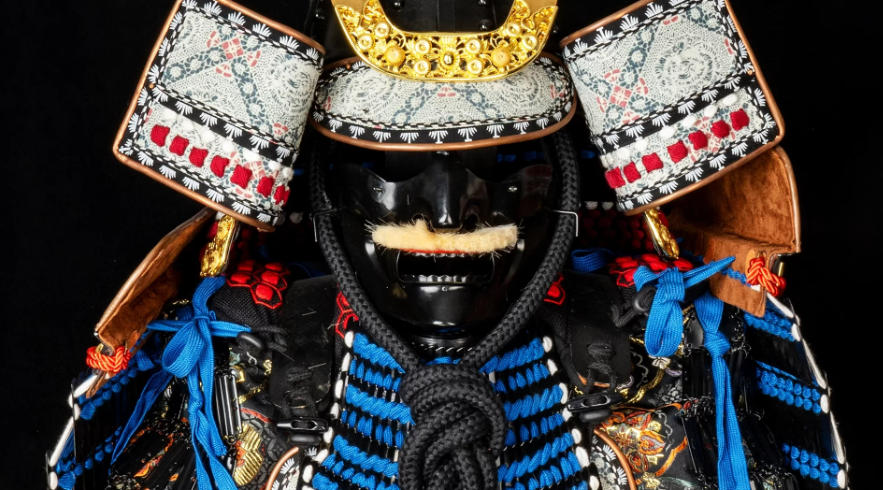
Warum die blau-schwarze Samurai-Rüstung des Oda-Clans ein Symbol für Nobunagas Erbe bleibt?
In der turbulentesten Periode der japanischen Geschichte, der Sengoku-Zeit, war Oda Nobunaga (1534–1582) einer der legendärsten Kriegsherren, bekannt für seine außergewöhnliche strategische Weisheit, militärische Innovationen und die Einführung moderner Waffen. Er war nicht nur ein Meisterstratege, sondern auch ein Symbol für Mut und Reform, der eine zentrale Rolle bei der Vereinigung Japans spielte. Obwohl Nobunaga die vollständige Vereinigung des Landes nicht mehr erlebte, wurde die von ihm eingeleitete Veränderungswelle schließlich von Toyotomi Hideyoshi fortgeführt.
Für eine so einflussreiche historische Persönlichkeit wie Nobunaga war die Samurai-Rüstung mehr als nur Schutz auf dem Schlachtfeld; sie war ein Symbol für Status, Familienehre und die Verkörperung des Samurai-Geistes. Das Design dieser blau-schwarzen Samurai-Rüstung des Oda-Clans ist inspiriert vom berühmten Familienwappen des Oda-Clans – dem Oda Kiku Mon, das Widerstandsfähigkeit, Ehre und Wohlstand symbolisiert.
Oda Nobunaga und der tiefgreifende Einfluss der Rüstungskultur
Oda Nobunaga ist einer der legendärsten Militärführer der Sengoku-Zeit, berühmt für seine kühnen Innovationen und strategische Brillanz. Geboren 1534, zeigte er schon in jungen Jahren außergewöhnliches militärisches Talent und Führungsqualitäten. Im Chaos der Ära nutzte Nobunaga seinen Mut, seine Intelligenz und seinen Ehrgeiz, um die Macht zu konsolidieren, wodurch der Oda-Clan aufstieg und eine zentrale Kraft bei der Vereinigung Japans wurde. Seine militärische Karriere war geprägt von legendären Schlachten und historischen Errungenschaften, die ein reiches Erbe hinterließen, das die Samurai-Kultur tiefgreifend beeinflusste.
Nobunaga zeichnete sich im berittenen Bogenschießen, in Schlachtfeldtaktiken und Belagerungskriegen aus und nutzte oft Gelände, Truppenaufstellung und psychologische Strategien zu seinem Vorteil. In der berühmten Schlacht von Okehazama errang der 21-jährige Nobunaga mit einem kühnen Überraschungsangriff den Sieg gegen die zahlenmäßig überlegenen Kräfte von Imagawa Yoshimoto. Dieser Triumph etablierte nicht nur seine Position in der Sengoku-Geschichte, sondern wurde auch zu einem klassischen Beispiel militärischer Strategie. Anschließend erweiterte er durch eine Reihe von Feldzügen und Allianzen seinen Einfluss und vereinigte allmählich Regionen wie Owari, Omi und Ise, wodurch er den Grundstein für die spätere nationale Vereinigung legte.
Nobunaga zeigte auch bemerkenswerte Weitsicht im Design von Rüstungen und Bannern. Er integrierte das Oda Kiku Mon und das auffällige blau-schwarze Farbschema in die Samurai-Rüstungen der Sengoku-Zeit, um die Erkennung auf dem Schlachtfeld zu verbessern und die Ehre, Autorität und Furchtlosigkeit seines Clans zu vermitteln. Seine Rüstungsdesigns inspirierten Loyalität und Mut unter seinen Truppen und dienten gleichzeitig als psychologische Abschreckung für Feinde. Diese Integration von Familiensymbolik und Kampffunktionalität wurde zu einer wichtigen Referenz für die japanische Samurai-Rüstungskultur in späteren Generationen.
Neben seinen militärischen Erfolgen leistete Nobunaga bedeutende Beiträge zu Politik, Wirtschaft und Kultur. Er brach traditionelle feudale Beschränkungen, förderte die lokale wirtschaftliche Entwicklung, reformierte die Besteuerung, betonte den Handel und führte westliche Feuerwaffen und Technologien ein, wodurch die Kampfeffektivität der Armee und die Gesamtstärke des Oda-Clans erheblich gesteigert wurden. Er unterstützte auch kulturelle Künste, einschließlich Teezeremonien, Architektur und internationalen Kulturaustausch, wodurch der Oda-Clan ein dauerhaftes kulturelles sowie militärisches Erbe hinterließ.
Trotz seiner Erfolge war Nobunagas Leben nicht ohne Konflikte. Bekannt für seine Kühnheit und Entschlossenheit, wurde er schließlich von seinem Gefolgsmann Akechi Mitsuhide verraten und starb in Honno-ji. Doch sein Einfluss blieb bestehen. Die von ihm eingeleiteten Reformen, militärischen Innovationen und kulturellen Auswirkungen prägten die Sengoku-Zeit tiefgreifend, wodurch seine Samurai-Rüstung zu einem geschätzten historischen Symbol wurde.
Aus diesem Grund ist die blau-schwarze Samurai-Rüstung des Oda-Clans nicht nur eine historische Replik; sie ist eine Hommage an Nobunagas Mut, Weisheit und Familienerbe. Das Tragen ermöglicht es modernen Enthusiasten, in die Sengoku-Atmosphäre einzutauchen und die Loyalität, Ehre und den furchtlosen Bushido-Geist zu erleben, während sie Nobunagas tiefgreifenden Einfluss in militärischen, politischen und kulturellen Bereichen würdigen. Ob für die Sammlung, Ausstellung oder historische Nachstellung, diese Samurai-Rüstung schlägt eine Brücke zwischen Vergangenheit und Gegenwart, Kultur und Kunst und ermöglicht es jedem Träger, Oda Nobunagas legendäres Leben und den Ruhm der Sengoku-Zeit persönlich zu erfahren.

Der historische und kulturelle Wert der Sengoku-Samurai-Rüstung
Die Geschichte der Samurai-Rüstung in Japan erstreckt sich über Jahrhunderte und entwickelte sich von frühen Schutzvorrichtungen aus Leder, Seil und leichtem Metall zu komplexen Samurai-Rüstungen der Sengoku-Zeit, die aus geschichteten Metallplatten bestanden und Schutz und Beweglichkeit ausbalancierten. Jedes Samurai-Rüstungsteil war nicht nur Schutz auf dem Schlachtfeld, sondern auch ein Symbol für den Status, die Ehre des Trägers und die Verkörperung des Bushido (des Weges des Kriegers). In Nobunagas Zeit diente die Rüstung dazu, den Samurai zu schützen, die Familienehre zu bewahren und Loyalität, Strategie und Mut zu demonstrieren.
Diese blau-schwarze Sengoku-Samurai-Rüstung des Oda-Clans verbindet meisterhaft traditionelle Rüstungshandwerkskunst mit modernem ästhetischem Design. Das blau-schwarze Farbschema symbolisiert Führung, entschlossene Macht und eisernen Willen und unterstreicht die Autorität und das Prestige des Oda-Clans. Das zarte Oda Kiku Mon ziert Schultern, Brust und Taille, verstärkt die visuelle Wirkung und festigt die Familiensymbolik, was der Rüstung einen tiefen Sinn für historische Bedeutung und kulturelles Erbe verleiht.
Die detailreiche Handwerkskunst ist ebenso beeindruckend: geschichtete Metall-Brustplatten und Armschienen bieten Schutz und erhalten gleichzeitig die Flexibilität; Seilbindungen und Lackierungen verstärken die Struktur und zeigen die Kunstfertigkeit traditioneller Handarbeit. Das Design respektiert historische Prototypen und erfüllt gleichzeitig moderne Tragbarkeitsstandards, sodass Benutzer sich bei historischen Nachstellungen, Kulturfesten oder Museumsausstellungen natürlich bewegen können, während sie den kraftvollen Geist der Sengoku-Samurai spüren.
Diese blau-schwarze Samurai-Rüstung des Oda-Clans ist mehr als eine historische Replik; sie ist ein kulturelles Symbol. Sie ermöglicht es modernen Enthusiasten, den Mut, die Loyalität und die Weisheit der Samurai der Sengoku-Zeit lebendig zu erleben und die historische Bedeutung von Samurai-Kultur, Familienehre und Schlachtfeldstrategie zu verstehen. Jedes Mal, wenn sie getragen wird, wird sie zu einer Brücke, die Jahrhunderte verbindet und ein immersives kulturelles und historisches Erlebnis bietet.
Blau-schwarze Samurai-Rüstung des Oda-Clans: Eine wahrhaft tragbare Hommage an Oda Nobunagas Ruhm der Sengoku-Zeit
In der turbulentesten Sengoku-Zeit der japanischen Geschichte war Oda Nobunaga (1534–1582) einer der legendärsten Kriegsherren, bekannt für seine außergewöhnliche taktische Weisheit, militärische Innovationen und die Einführung moderner Waffen. Er war nicht nur ein Meisterstratege, sondern auch ein Symbol für Mut und Reform, der eine zentrale Rolle im Vereinigungsprozess Japans spielte. Obwohl Nobunaga die vollständige nationale Vereinigung nicht mehr erlebte, wurde die von ihm eingeleitete transformative Ära schließlich von Toyotomi Hideyoshi fortgeführt.
Für eine historische Persönlichkeit von Nobunagas Statur war die Samurai-Rüstung mehr als nur Schutz auf dem Schlachtfeld – sie war ein Symbol für Status, Familienehre und die Verkörperung des Samurai-Geistes. Das Design dieser blau-schwarzen Samurai-Rüstung des Oda-Clans ist inspiriert vom berühmten Familienwappen des Oda-Clans – dem Oda Kiku Mon, das Widerstandsfähigkeit, Ehre und Wohlstand symbolisiert.
Oda Nobunaga und der tiefgreifende Einfluss der Rüstungskultur
Oda Nobunaga ist einer der legendärsten Militärführer der Sengoku-Zeit, berühmt für seine kühnen Innovationen und strategische Brillanz. Geboren 1534, zeigte er schon in jungen Jahren außergewöhnliches militärisches Talent und Führungsqualitäten. Im Chaos der Ära nutzte Nobunaga seinen Mut, seine Intelligenz und seinen Ehrgeiz, um die Macht zu konsolidieren, wodurch der Oda-Clan zu einer dominierenden Kraft aufstieg und den Weg für Japans spätere Vereinigung ebnete. Seine militärische Karriere war geprägt von legendären Schlachten und historischen Errungenschaften, die ein reiches Erbe hinterließen, das die Samurai-Kultur tiefgreifend prägte.
Nobunaga zeichnete sich im berittenen Bogenschießen, in Schlachtfeldstrategien und Belagerungstaktiken aus und nutzte oft Gelände, Truppenaufstellung und psychologische Kriegsführung zu seinem Vorteil. In der berühmten Schlacht von Okehazama errang der 21-jährige Nobunaga mit einem kühnen Überraschungsangriff den Sieg gegen die zahlenmäßig überlegenen Kräfte von Imagawa Yoshimoto. Dieser Triumph etablierte seine Stellung in der Sengoku-Geschichte und wurde zu einem klassischen Beispiel militärischer Strategie. Anschließend erweiterte er durch eine Reihe von Feldzügen und Allianzen seinen Einfluss und vereinigte allmählich Regionen wie Owari, Omi und Ise, wodurch er den Grundstein für die landesweite Vereinigung legte.
Nobunaga zeigte auch bemerkenswerte Weitsicht im Design von Rüstungen und Bannern. Indem er das Oda Kiku Mon und ein auffälliges blau-schwarzes Farbschema in die Samurai-Rüstungen der Sengoku-Zeit integrierte, verbesserte er die Erkennung auf dem Schlachtfeld und vermittelte gleichzeitig die Ehre, Autorität und Furchtlosigkeit des Clans. Seine Rüstungsdesigns inspirierten Loyalität und Mut unter seinen Truppen und dienten als psychologische Abschreckung für Feinde. Diese Integration von Familiensymbolik und Kampffunktionalität wurde zu einem bleibenden Einfluss auf die japanische Samurai-Rüstungskultur.
Neben militärischen Erfolgen leistete Nobunaga bedeutende Beiträge in Politik, Wirtschaft und Kultur. Er reformierte feudale Beschränkungen, förderte die lokale wirtschaftliche Entwicklung, überarbeitete die Besteuerung, ermutigte den Handel und führte westliche Feuerwaffen und Technologien ein, wodurch die Effizienz der Armee und die Gesamtstärke des Oda-Clans erheblich verbessert wurden. Er unterstützte auch kulturelle Künste, einschließlich Teezeremonien, Architektur und internationalen Austausch, wodurch der Oda-Clan ein tiefgreifendes kulturelles sowie militärisches Erbe hinterließ.
Trotz seiner Erfolge war Nobunagas Leben nicht ohne Turbulenzen. Bekannt für seine Entschlossenheit und Kühnheit, wurde er schließlich von seinem Gefolgsmann Akechi Mitsuhide verraten und starb in Honno-ji. Doch sein Einfluss blieb bestehen. Die von ihm eingeleiteten Reformen, militärischen Innovationen und kulturellen Auswirkungen prägten die Sengoku-Zeit tiefgreifend, wodurch seine Samurai-Rüstung zu einem geschätzten historischen Symbol wurde.
So ist diese blau-schwarze Samurai-Rüstung des Oda-Clans nicht nur eine historische Replik; sie ist eine Hommage an Nobunagas Mut, Weisheit und Familienerbe. Das Tragen ermöglicht es modernen Enthusiasten, in die Sengoku-Ära einzutauchen und Loyalität, Ehre und den furchtlosen Bushido-Geist zu erleben, während sie Nobunagas tiefgreifenden Einfluss in militärischen, politischen und kulturellen Bereichen würdigen. Ob für die Sammlung, Ausstellung oder historische Nachstellung, diese Samurai-Rüstung schlägt eine Brücke zwischen Vergangenheit und Gegenwart, Kultur und Kunst und ermöglicht es jedem Träger, Oda Nobunagas legendäres Leben und den Ruhm der Sengoku-Zeit persönlich zu erfahren.

Der historische und kulturelle Wert der Sengoku-Samurai-Rüstung
Die Geschichte der Samurai-Rüstung in Japan erstreckt sich über Jahrhunderte und entwickelte sich von frühen Schutzvorrichtungen aus Leder, Seil und leichtem Metall zu komplexen Samurai-Rüstungen der Sengoku-Zeit, die aus geschichteten Metallplatten bestanden und Schutz und Beweglichkeit ausbalancierten. Jedes Samurai-Rüstungsteil war nicht nur Schutz auf dem Schlachtfeld, sondern auch ein Symbol für den Status, die Ehre des Trägers und die Verkörperung des Bushido (des Weges des Kriegers). In Nobunagas Zeit diente die Rüstung dazu, den Samurai zu schützen, die Familienehre zu bewahren und Loyalität, Strategie und Mut zu demonstrieren.
Diese blau-schwarze Sengoku-Samurai-Rüstung des Oda-Clans verbindet meisterhaft traditionelle Rüstungshandwerkskunst mit modernem ästhetischem Design. Das blau-schwarze Farbschema symbolisiert Führung, entschlossene Macht und eisernen Willen und unterstreicht die Autorität und das Prestige des Oda-Clans. Das zarte Oda Kiku Mon ziert Schultern, Brust und Taille, verstärkt die visuelle Wirkung und festigt die Familiensymbolik, was der Rüstung einen tiefen Sinn für historische Bedeutung und kulturelles Erbe verleiht.
Die detailreiche Handwerkskunst ist ebenso beeindruckend: geschichtete Metall-Brustplatten und Armschienen bieten Schutz und erhalten gleichzeitig die Flexibilität; Seilbindungen und Lackierungen verstärken die Struktur und zeigen die Kunstfertigkeit traditioneller Handarbeit. Das Design respektiert historische Prototypen und erfüllt gleichzeitig moderne Tragbarkeitsstandards, sodass Benutzer sich bei historischen Nachstellungen, Kulturfesten oder Museumsausstellungen natürlich bewegen können, während sie den kraftvollen Geist der Sengoku-Samurai spüren.
Diese blau-schwarze Samurai-Rüstung des Oda-Clans ist mehr als eine historische Replik; sie ist ein kulturelles Symbol. Sie ermöglicht es modernen Enthusiasten, den Mut, die Loyalität und die Weisheit der Samurai der Sengoku-Zeit lebendig zu erleben und die historische Bedeutung von Samurai-Kultur, Familienehre und Schlachtfeldstrategie zu verstehen. Jedes Mal, wenn sie getragen wird, wird sie zu einer Brücke, die Jahrhunderte verbindet und ein immersives kulturelles und historisches Erlebnis bietet.
Wichtige Design-Highlights der blau-schwarzen Samurai-Rüstung des Oda-Clans
-
Historische Genauigkeit: Treue Nachbildung des traditionellen Rüstungsdesigns aus Nobunagas Ära, unter Einbeziehung des Oda Kiku Mon, das Familienehre und Sengoku-Autorität widerspiegelt.
-
Handgefertigte Kunstfertigkeit: Hergestellt unter Verwendung traditioneller Samurai-Rüstungstechniken, vollständig handgefertigt mit hochwertigen Metallen und traditionellen Stoffen für Haltbarkeit und Ästhetik.
-
Maßanfertigung in voller Größe: Farbe, Zubehör und Abmessungen können personalisiert werden, um eine wirklich einzigartige Samurai-Rüstung zu schaffen.
-
Vielseitiger Einsatz: Geeignet für historische Nachstellungen, Bühnenauftritte, Kampfsporttraining oder kulturelle Ausstellungen, wobei Funktion und visuelle Attraktivität ausgewogen sind.
-
Premium-Materialien: Hergestellt aus sorgfältig ausgewählten Metallen und Stoffen, die ein moderates Gewicht, Haltbarkeit und inneren Komfort für Stabilität beim Tragen bieten.
-
Standard- und Sondergrößen: Die Standardversion passt für Träger mit einer Größe von 170–180 cm; auch vollständig maßgeschneiderte Größen erhältlich.
Warum die blau-schwarze Samurai-Rüstung des Oda-Clans von COOLKATANA wählen?
-
Tiefer historischer Tribut: Stellt Nobunagas Rüstung aus der Sengoku-Zeit perfekt nach und verbindet historische Kultur mit moderner Handwerkskunst für ein authentisches Erlebnis.
-
Einzigartiger Sammlerwert: Ein hochwertiges Samurai-Rüstungs-Sammlerstück, das sowohl als Ausstellungsstück als auch zur Bewahrung der Samurai-Kultur dient.
-
Multiszenario-Praktikabilität: Ideal für historische Reenactments, Aufführungen bei Kulturfesten oder Museums-Ausstellungen, kombiniert Funktionalität und ästhetische Anziehungskraft.
-
Personalisierte Anpassung: Bietet Optionen für Farbe, Größe und Zubehör, wodurch jede Rüstung zu einer wirklich persönlichen historischen Legende wird.
Mit der Wahl der COOLKATANA Oda Clan Blau-Schwarzen Samurai-Rüstung erwerben Sie nicht nur eine sorgfältig gefertigte vollständige Samurai-Rüstung aus der Sengoku-Zeit, sondern auch eine perfekte Fusion von historischer Kultur und handwerklicher Kunst – ein zeitloses Sammlerstück und eine herzliche Hommage an das bleibende Erbe von Oda Nobunaga.
Handgefertigte lebensgroße Samurai-Rüstung des Oda-Clans – Kachi Blau & Schwarz Yoroi

Fazit: Die Bewahrung des Ruhms der Sengoku-Zeit, das Erleben des Samurai-Geistes
Die Oda Clan Blau-Schwarze Samurai-Rüstung ist mehr als eine historische Nachbildung; sie ist die perfekte Fusion japanischer Samurai-Kultur, traditioneller Handwerkskunst und moderner Handwerkstechniken. Jede vollständige tragbare Rüstung trägt das Erbe von Nobunagas Legende aus der Sengoku-Zeit und den Samurai-Geist in sich, wodurch die Träger das Gewicht der Geschichte erleben und gleichzeitig Mut, Loyalität und Ehre umfassen können. Ob für die Sammlung, Ausstellung oder historische Nachstellung, diese Samurai-Rüstung ist die ideale Wahl für kulturelle Bewahrung, historisches Eintauchen und persönlichen Ausdruck.

