


Tokugawa Schwarze Samurai-Rüstung: Geschichte, Bedeutung und Design erklärt
- von COOLKATANA
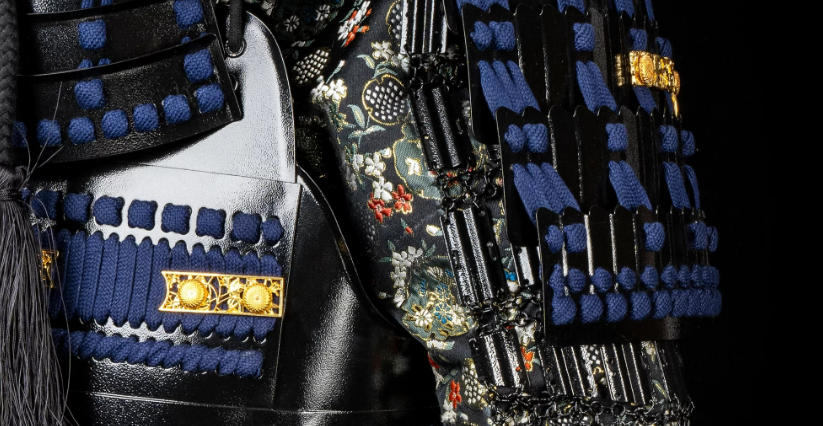
Was ist die schwarze Samurai-Rüstung der Tokugawa und warum ist sie in der japanischen Geschichte so wichtig?
Die schwarze Samurai-Rüstung der Tokugawa (Tokugawa Clan Black Samurai Armor / Tokugawa Yoroi) ist eines der symbolträchtigsten Samurai-Ausrüstungsstücke aus Japans Sengoku- und Edo-Perioden. Sie repräsentiert nicht nur den Machtkern des Tokugawa-Shogunats, sondern auch den ultimativen Ausdruck von Disziplin, Autorität und strukturierter Herrschaft innerhalb der Samurai-Kultur.
Heute steigen die Suchanfragen nach Tokugawa Samurai-Rüstungsreplikaten, japanischer schwarzer Samurai-Rüstung zum Verkauf und Samurai-Rüstungssammlungen weltweit weiter an, was dieses Thema sowohl in historischen Studien als auch auf dem Premium-Sammlermarkt hochrelevant macht.
Welche Art von Rüstung tragen Samurai?
Samurai trugen typischerweise traditionelle japanische Rüstungen, bekannt als Samurai-Rüstung (Yoroi / 鎧), die sich im Laufe der verschiedenen historischen Perioden je nach Kriegsführung erheblich weiterentwickelte.
In frühen Perioden wie der Heian- und Kamakura-Ära verwendeten Samurai Ō-yoroi (大鎧), eine schwere Rüstung, die hauptsächlich für das berittene Bogenschießen konzipiert war. Sie bestand aus geschichteten Eisen- oder Lederschuppen, die mit Seidenschnüren (odoshi) gebunden und zur Haltbarkeit mit Lack überzogen waren.
Als sich die Kriegsführung auf den Infanterie-Kampf verlagerte, wurden leichtere Rüstungen wie Dō-maru häufiger. Diese ermöglichten eine größere Beweglichkeit und waren besser für Nahkampfbedingungen auf dem Schlachtfeld geeignet.
In der Sengoku-Periode übernahmen Samurai Tōsei-gusoku (当世具足), ein moderneres und modulares Rüstungssystem. Es umfasste Komponenten wie:
- Kabuto (Helm)
- Dō (Brustpanzer)
- Sode (Schulterschützer)
- Kote (gepanzerte Ärmel)
- Suneate (Schienbeinschützer)
Dieses System balancierte Schutz, Beweglichkeit und praktische Anwendbarkeit auf großen Schlachtfeldern.
Über den Schutz hinaus fungierte die Samurai-Rüstung auch als Identitätssymbol. Clan-Wappen (Mon), Helmverzierungen und Designstile spiegelten Rang, Loyalität und soziale Hierarchie wider.

Was ist die schwarze Samurai-Rüstung der Tokugawa?
Die schwarze Samurai-Rüstung der Tokugawa bezieht sich auf das hochrangige Rüstungssystem, das während des Tokugawa-Shogunats (1603–1868) verwendet wurde und die Autorität und politische Dominanz des Tokugawa-Clans symbolisiert.
Ihr auffälligstes Merkmal ist ihr tiefschwarzes Aussehen, das durch traditionellen Urushi-Lack (天然漆) erzielt wird. Diese schwarze Oberfläche erzeugt ein Gefühl von Autorität, Disziplin und psychologischer Dominanz – sie repräsentiert absolute Kontrolle und zentralisierte Macht.
Der Aufstieg des Tokugawa-Clans folgte Jahrzehnten des Bürgerkriegs. Nach Tokugawa Ieyasus Sieg in der Schlacht von Sekigahara gründete er 1603 das Edo-Shogunat, das über 260 Jahre Frieden einleitete. Während dieser Transformation wandelten sich die Samurai von Kriegern auf dem Schlachtfeld zu administrativen Ordnungshütern.
Infolgedessen entwickelte sich die Tokugawa-Samurai-Rüstung von einer Schlachtfeldausrüstung zu einer symbolischen Darstellung von Herrschaft, Hierarchie und politischer Legitimität.
Im Gegensatz zu den hochverzierten Rüstungen früherer Kriegsherren wie der Oda- oder Takeda-Clans betonte die Tokugawa-Rüstung Zurückhaltung, Einheitlichkeit und symbolische Autorität. Die „schwarze Rüstungsästhetik“ wurde zu einer visuellen Sprache der Macht – sie repräsentierte Stabilität, Gehorsam und strukturierte Herrschaft.
Das Familienwappen der Tokugawa, das 'Aoi Mon (三叶葵纹)', wurde häufig auf Helmen und Brustpanzern gezeigt, um Legitimität und zentralisierte Autorität zu untermauern.
Während der friedlichen Edo-Zeit wurde die Rüstung weniger praktisch für die Kriegsführung und mehr zeremoniell, verwendet bei offiziellen Ritualen, Prozessionen und zur Darstellung des Status.
Merkmale der schwarzen Samurai-Rüstung
Die schwarze Samurai-Rüstung der Tokugawa weist deutliche visuelle und strukturelle Merkmale auf:
1. Schwarzer Urushi-Lack
Die Rüstung ist mit traditionellem Urushi-Lack überzogen, wodurch eine tiefschwarze oder matt-schwarze Oberfläche entsteht, die Autorität und Schutz symbolisiert.
2. Minimalistisches, aber kraftvolles Design
Im Vergleich zu früheren Samurai-Rüstungsstilen konzentriert sich die Tokugawa-Rüstung auf:
- Ausgewogene Symmetrie
- Kontrollierte Proportionen
- Psychologische Einschüchterung
3. Clan-Wappen-Verzierung (Mon)
Das Aoi Mon (Tokugawa-Wappen) ist prominent auf dem Kabuto (Helm) und dem Brustpanzer abgebildet und kennzeichnet die politische Legitimität.
4. Fortschrittliche Schutzstruktur
Trotz ihrer zeremoniellen Entwicklung behält sie starke strukturelle Komponenten für:
- Brustschutz (Dō)
- Armbeweglichkeit (Kote)
- Leichtes Beinschutzsystem
Tokugawa-Shogunat und Samurai-Machtsymbolik
Der Tokugawa-Clan regierte Japan über 260 Jahre lang und schuf eines der stabilsten und zentralisiertesten Feudalsysteme in der japanischen Geschichte. In dieser Ära wandelten sich Samurai von Kriegern zu bürokratischen Verwaltern.
Infolgedessen wurde die Tokugawa-Samurai-Rüstung mehr als nur ein Schlachtfeldschutz – sie wurde zu einer visuellen Darstellung politischer Autorität.
Die standardisierte Verwendung des Aoi Mon auf Rüstungen, Bannern und in zeremoniellen Räumen schuf ein einheitliches visuelles Regierungssystem. Das Rüstungsdesign spiegelte auch die soziale Hierarchie wider, wobei Materialien, Verzierungsgrade und die Verwendung von Wappen Rang und Status anzeigten.
Auf diese Weise wurde die Rüstung zu einer „visuellen Sprache der Ordnung“, die die strenge Struktur und Stabilität der Edo-Gesellschaft verstärkte.

Kernstruktur der Tokugawa-Samurai-Rüstung
Ein vollständiger Satz der Tokugawa-Samurai-Rüstung umfasst typischerweise:
Kabuto (Helm)
Ein Symbol für Identität und Autorität, oft verziert mit dem Tokugawa Aoi Mon.
Dō (Brustpanzer)
Das Hauptschutzelement, hergestellt aus schwarz lackierten Eisenplatten.
Sode (Schulterschützer)
Vereinfachte, aber funktionale schützende Schulterelemente.
Kote (Armschützer)
Entwickelt, um die Arme zu schützen und gleichzeitig die Beweglichkeit zu erhalten.
Haidate & Suneate (Beinrüstung)
Unterkörperschutz für zeremonielle und symbolische Zwecke.
Handwerkskunst und Materialien
Die Konstruktion der Tokugawa-Samurai-Rüstung spiegelt traditionelle japanische Handwerkskunst auf höchstem Niveau wider:
- Handgeschmiedete Eisenplatten
- Natürlicher Urushi-Lacküberzug
- Seiden-Schnürsystem (Odoshi)
- Clan-Wappen-Gravur (Mon)
Diese Kombination bietet sowohl Haltbarkeit als auch künstlerische Raffinesse.
Kulturelle Bedeutung der schwarzen Samurai-Rüstung
Die schwarze Samurai-Rüstung der Tokugawa ist nicht nur militärische Ausrüstung – sie ist ein kulturelles Artefakt, das Japans feudale Machtstruktur repräsentiert.
Ihre Bedeutungen umfassen:
- Visuelle Darstellung der Samurai-Hierarchie
- Symbol der politischen Legitimität der Tokugawa
- Verkörperung der Bushido-Disziplin und Loyalität
- Spiegelbild des Friedens und der Regierung der Edo-Zeit
Die schwarze Farbe symbolisiert in der japanischen Tradition Zurückhaltung, Autorität und Geheimnis, was sie zu einer perfekten Darstellung kontrollierter Macht statt aggressiver Gewalt macht.
Moderne Verwendung: Sammlerstücke und kulturelle Replikate
In der Neuzeit ist die Tokugawa-Samurai-Rüstung auf globalen Kultur- und Sammlermärkten hoch geschätzt.
Ihre Anwendungen umfassen:
- Samurai-Rüstungssammlung (hochwertiges privates Sammeln)
- Museumsausstellungen
- Produktionsdesign für Film und Spiele
- Kulturelle Aufführungen und Nachstellungen
- Herstellung von Samurai-Rüstungsrepliken
Besonders beliebt sind handgefertigte Tokugawa-Rüstungsrepliken. Diese Replikate werden mit traditionellen Techniken wie Schmieden, Seidenverschnürung und Lackveredelung hergestellt, was sie sowohl künstlerisch als auch historisch genau macht.
Daher sind sie nicht nur Dekorationsstücke, sondern auch kulturelle Rekonstruktionen, die das Samurai-Erbe bewahren.
Handgefertigte lebensgroße Tokugawa Clan Samurai-Rüstung – Schwarz und Blau Yoroi

Fazit
Die Schwarze Samurai-Rüstung Tokugawa ist weit mehr als eine historische Waffe – sie ist ein symbolisches Meisterwerk des feudalen Regierungssystems Japans.
Sie repräsentiert die Transformation vom Chaos der Sengoku-Ära zur Stabilität der Edo-Zeit und vom Schlachtfeldkrieg zur strukturierten Gesellschaftsordnung.
Auch heute noch ist sie weltweit eines der ikonischsten Symbole für Sammler, Historiker und Liebhaber der Samurai-Kultur.
-
Veröffentlicht in
Samurai Armor

