


Uesugi Kenshin Biografie: Drache von Echigo & Samurai-Rivalität erklärt
- von COOLKATANA
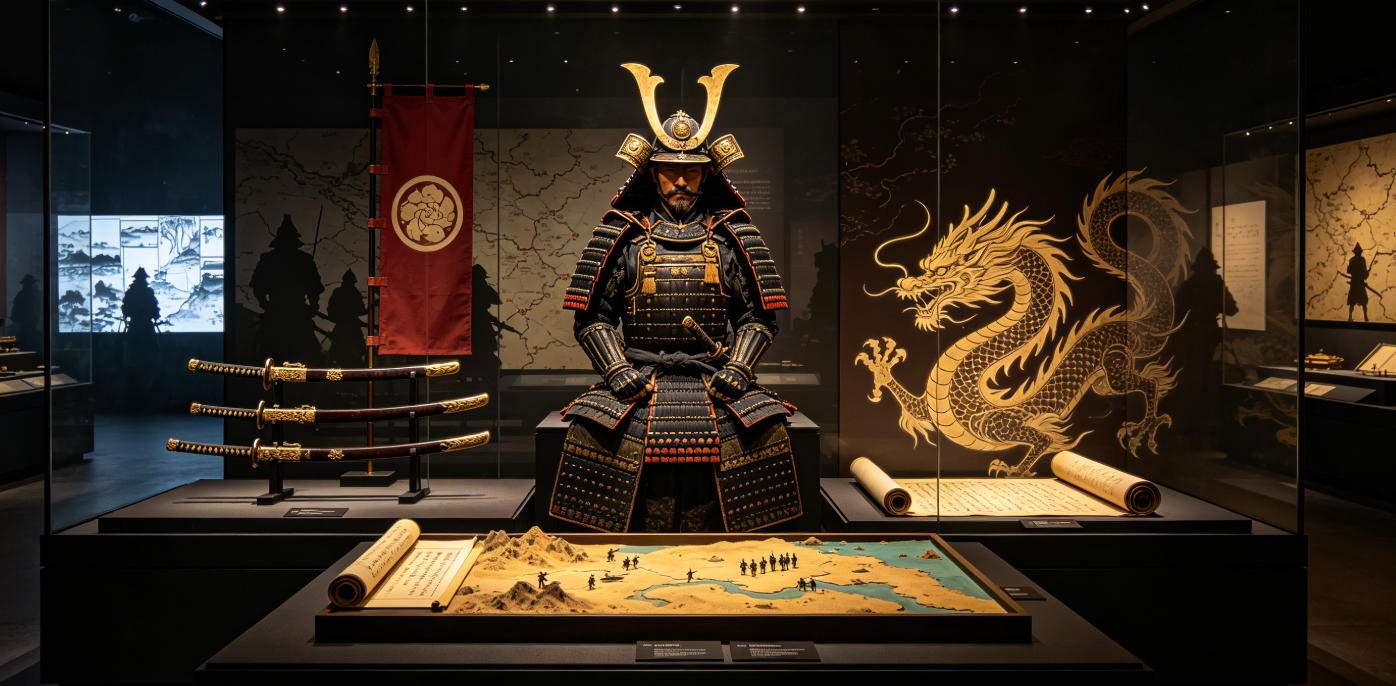
Wer war Uesugi Kenshin und warum wurde er der Drache von Echigo genannt?
In Japans Sengoku-Zeit – einer Zeit zersplitterter Kriegsherren und ständiger Konflikte – gab es eine Persönlichkeit, die mit einer fast mythischen Aura herausragte: Uesugi Kenshin. Er war weithin als der „Drache von Echigo“ bekannt, und seine langjährige Rivalität mit dem „Tiger von Kai“, Takeda Shingen, gilt als eine der dramatischsten militärischen Auseinandersetzungen in der japanischen Geschichte.
Die historischen Aufzeichnungen über Kenshin Uesugi / Uesugi Kenshin sind nicht nur von Krieg und Strategie erfüllt, sondern auch von Themen wie Glaube, Loyalität und dem höchsten Ausdruck des Samurai-Geistes.
1. Die wahre Identität und frühes Leben von Uesugi Kenshin
Uesugi Kenshin wurde ursprünglich als Nagao Kagetora in den Nagao-Clan der Provinz Echigo geboren. Im Gegensatz zu vielen Sengoku-Daimyō, deren Ambitionen auf territoriale Expansion ausgerichtet waren, wuchs Kenshin in einem Umfeld auf, das Disziplin, Loyalität und die Stabilität der lokalen Verwaltung betonte – Eigenschaften, die seinen späteren Führungsstil, der auf Ordnung und Prinzipien basierte, tief prägten.
Historische Quellen deuten darauf hin, dass Kenshin die Führung nicht sofort erbte. Stattdessen stieg er schrittweise durch komplexe interne Clan-Politik und regionale Konflikte zur Macht auf. In dieser Zeit bewies er außergewöhnliches militärisches Urteilsvermögen und organisatorische Fähigkeiten, insbesondere bei der Unterdrückung interner Rebellionen und der Verwaltung rivalisierender lokaler Kriegsherren.
Bevor er Echigo vollständig konsolidierte, hatte Kenshin Uesugi bereits an mehreren Feldzügen zur Wiederherstellung der inneren Ordnung teilgenommen. Durch die schnelle Mobilisierung von Truppen, die Unterbrechung feindlicher Versorgungslinien und präzise Angriffe auf wichtige Festungen vereinte er schrittweise eine zuvor zersplitterte Region. Aus diesem Grund betrachten viele Gelehrte, die sich mit der Geschichte von Uesugi Kenshin befassen, ihn nicht nur als Eroberer, sondern als „Wiederhersteller der Ordnung“.
Kenshins Regierungsphilosophie hatte auch eine starke moralische Dimension. Er strebte keine endlose Expansion an, sondern betonte regionale Stabilität und Gerechtigkeit. Dies war in der chaotischen Sengoku-Ära äußerst selten und ließ ihn unter seinen Zeitgenossen herausragen.

2. Der Ursprung des „Drachen von Echigo“: Warum wurde Kenshin ein Drache genannt?
Der Titel „Drache von Echigo“ war nicht nur poetische Bildsprache – er war eine direkte Widerspiegelung von Kenshin Uesugis Kampfstil auf dem Schlachtfeld.
Militärisch war Kenshins auffälligstes Merkmal die extreme Kombination aus Schnelligkeit und Schlagkraft. Er priorisierte schnelle Märsche und startete oft Angriffe, bevor die Feinde sich vollständig organisieren oder umfassende Informationen erhalten konnten.
Historische Berichte beschreiben sein Heer als äußerst mobil und besonders geschickt im Gebirgskrieg. Kenshin konnte Truppen in kürzester Zeit mobilisieren und aus unerwarteten Richtungen angreifen. Dieser plötzliche, überwältigende Angriffsstil ist genau der Grund, warum er mit einem Drachen in Verbindung gebracht wurde – einer unsichtbaren Kraft, die mit unaufhaltsamem Schwung aus den Bergen hervorbricht.
Ein weiteres prägendes Merkmal von Uesugi Kenshin war seine Bereitschaft, persönlich Angriffe auf dem Schlachtfeld anzuführen. Im Gegensatz zu vielen Daimyō, die von hinten kommandierten, erschien Kenshin oft an vorderster Front und beteiligte sich sogar am Nahkampf in der Nähe feindlicher Kommandozentralen. Dieser Führungsstil steigerte die Moral erheblich und festigte sein Image als „Kriegsgott“ unter seinen Truppen.
Gleichzeitig setzte er strenge militärische Disziplin durch und pflegte ein faires Belohnungs- und Bestrafungssystem. Dies schuf eine Armee, die sowohl hoch gehorsam als auch extrem motiviert war.
Somit repräsentiert der „Drache von Echigo“ nicht nur Kenshins Kampffähigkeit, sondern auch seine befehlshabende Präsenz, Geschwindigkeit und den psychologischen Druck auf dem Schlachtfeld – Schlüsselkonzepte zum Verständnis des militärischen Stils von Kenshin Uesugi.
3. Takeda Shingen vs. Uesugi Kenshin: Die legendäre Drachen- und Tigerrivalität
Einer der berühmtesten Konflikte in der Sengoku-Geschichte ist der von Uesugi Kenshin vs. Takeda Shingen.
Takeda Shingen, der „Tiger von Kai“, war bekannt für seine disziplinierten Formationen und strategischen Einkesselungstaktiken, während Uesugi Kenshin, der „Drache von Echigo“, sich auf Schnelligkeit und direkten Angriff spezialisierte.
Ihre Rivalität konzentrierte sich auf die Schlachten von Kawanakajima.
Die Schlacht von Kawanakajima
Zwischen ihren Streitkräften fanden fünf große Auseinandersetzungen statt.
Die vierte Schlacht von Kawanakajima (Die legendärste Begegnung)
Diese Schlacht ist die berühmteste und symbolträchtigste.
Der Legende nach durchbrach Uesugi Kenshin während des Chaos der Schlacht die feindlichen Linien und erreichte direkt Takeda Shingens Hauptquartier, wo er Shingen selbst angriff, der den Angriff angeblich mit einem Kriegsfächer abwehrte.
Obwohl die historische Genauigkeit umstritten ist, ist dieser Moment zu einem der ikonischsten Bilder in der japanischen Samurai-Kultur geworden.
Er sorgt auch dafür, dass das Suchinteresse an Begriffen wie Uesugi Kenshin vs. Takeda Shingen Schlacht von Kawanakajima konstant hoch bleibt.
4. Ein militärisches Genie: Die Kriegsphilosophie von Uesugi Kenshin
Im Gegensatz zu anderen Daimyō der damaligen Zeit tendierte Kenshin Uesugis militärische Philosophie zur Idee des „gerechten Krieges“.
Sein taktisches System umfasste mehrere Schlüsselprinzipien:
1. Blitzkrieg
Schnelle Bewegung und konzentrierte Kräfte, um feindliche Formationen zu durchbrechen, bevor sie sich vollständig entwickeln konnten.
2. Beherrschung des Geländes
Die bergige Geographie Echigos verschaffte ihm einen natürlichen Vorteil in der irregulären Kriegsführung.
3. Konzentration elitärer Kräfte
Er bevorzugte hochtrainierte Kerneinheiten, anstatt sich rein auf Zahlen zu verlassen.
4. Psychologische Kriegsführung
Wiederholte schnelle Siege wurden genutzt, um die feindliche Moral zu brechen.
Moderne Analysen betrachten die Militärstrategie von Uesugi Kenshin oft als eines der effizientesten Systeme der Sengoku-Zeit.

5. Ein vom Glauben getriebener Kriegsherr: Die Inkarnation von Bishamonten
Einer der einzigartigsten Aspekte Kenshins war sein starker religiöser Glaube.
Er war ein ergebener Anhänger von Bishamonten, dem buddhistischen Kriegsgott, den er als seinen göttlichen Beschützer betrachtete.
Vor Schlachten soll Kenshin gebetet und die Kriegsführung als Mittel zur Wahrung von Gerechtigkeit und Ordnung betrachtet haben.
Deshalb wird er oft beschrieben als:
„Die Inkarnation des Kriegsgottes“
Dieses Glaubenssystem macht die Samurai-Ethik von Kenshin Uesugi zu einem wichtigen Fallbeispiel in der Samurai-Ideologie.
6. Die komplexe Persönlichkeit von Uesugi Kenshin
Historisch gesehen erscheint Kenshins Persönlichkeit zutiefst komplex:
- Strenger Disziplinar
- Starkes Gerechtigkeitsempfinden
- Vermeidung unnötiger Expansion
- Äußerst entschlossen im Kampf
Er war politisch zurückhaltender als viele Daimyō, doch einer der gefährlichsten Kommandeure auf dem Schlachtfeld.
Dieser Widerspruch macht die Samurai-Legende von Uesugi Kenshin zu einem reichhaltigen Thema sowohl in der historischen Forschung als auch in der kulturellen Geschichtenerzählung.
7. Letzte Jahre und die Nachfolgekrise
In seinen späteren Jahren blieb Kenshin sowohl politisch als auch militärisch aktiv, doch die Nachfolge wurde zu einem großen Problem.
Da er keinen klaren Erben benannte, brach nach seinem Tod ein Bürgerkrieg aus, bekannt als die „Otate no Ran“ (Otate-Unruhen).
Dieses Ereignis markierte das Ende der Ära des „Drachen von Echigo“.
8. Uesugi Kenshin in der modernen Kultur
Auch heute noch ist Uesugi Kenshin eine der ikonischsten Figuren der japanischen Geschichte.
Er taucht häufig auf in:
- Sengoku-Strategiespielen (z. B. Nobunaga's Ambition)
- Animes und Filmen
- Historischen Dokumentationen
- Forschung zur Samurai-Kultur
Die Rivalität „Drache gegen Tiger“ prägt ihn zusammen mit Takeda Shingen weiterhin als eines der bekanntesten Duos der Sengoku-Geschichte.
Daher sind Stichwörter wie Kenshin Uesugi Biografie, Uesugi Kenshin Fakten und Samurai-Kriegsherren Japan weltweit weiterhin stark nachgefragt.
Fazit: Das ewige Duell von Drache und Tiger
Die Geschichte von Uesugi Kenshin und Takeda Shingen ist nicht nur Militärgeschichte – sie ist ein Symbol des Sengoku-Geistes selbst.
Der eine repräsentiert den „Drachen der Geschwindigkeit und Gerechtigkeit“, der andere den „Tiger der Disziplin und Strategie“.
In der Verschmelzung von Geschichte und Legende wird Kenshin Uesugi / Uesugi Kenshin mehr als ein Name – er steht als eine der legendärsten Samurai-Figuren in der japanischen Geschichte.

