

Bedeutung des Schmetterlingsschwerts: Die Geschichte der Doppelwaffen in den chinesischen Kampfkünsten
- von COOLKATANA
Was ist ein Schmetterlingsschwert und warum ist es in chinesischen Kampfkünsten wichtig?
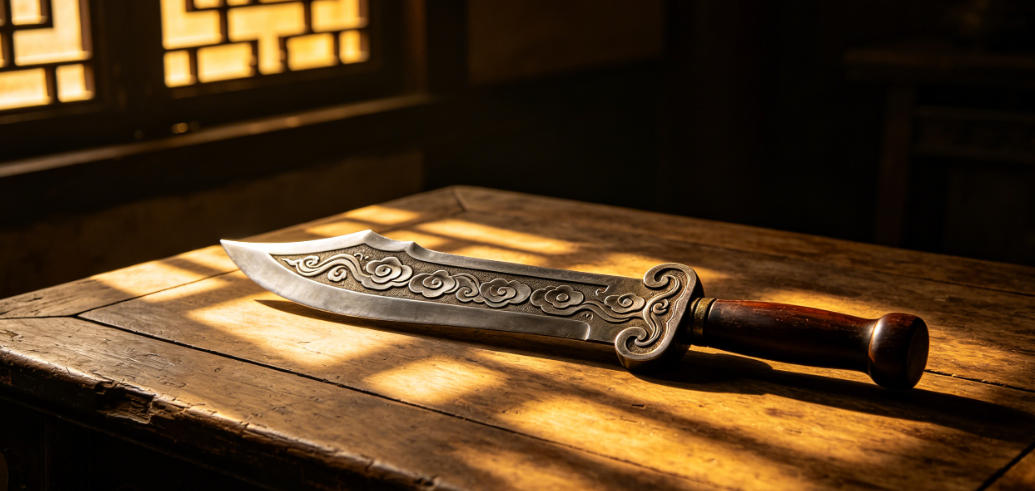
In den traditionellen chinesischen Kampfkünsten ist das Schmetterlingsschwert (Schmetterlingsschwerter / Schmetterlingsmesser / Schmetterlingsklingen) eine der ikonischsten Nahkampfwaffen. Es ist nicht nur ein Symbol der südchinesischen Kampfkünste, sondern birgt auch eine tiefe kulturelle Bedeutung, Kampfphilosophie und historisches Erbe.
Als eine der bekanntesten Kurzwaffen in südchinesischen Kampfsportsystemen spielt das Schmetterlingsschwert eine wichtige Rolle in Wing Chun, Hung Gar und Choy Li Fut und erscheint häufig in modernen Filmen, Spielen und der ACG-Kultur als klassisches Symbol chinesischer Wuxia-Waffen.
Was ist ein Schmetterlingsschwert? Die wahre Bedeutung des Schmetterlingsschwerts (Erweitert)
Das Schmetterlingsschwert bezieht sich auf einen kurzen, einseitig geschliffenen Dao, der aus südchinesischen Kampfkunsttraditionen stammt. Es wurde zuerst in den Volkskampfkünsten von Guangdong und Fujian weit verbreitet und entwickelte sich allmählich zu einer der repräsentativsten Waffen des südlichen Kung Fu.
Im traditionellen Kampfkunstkontext ist das Schmetterlingsschwert keine einzelne Waffe, sondern ein duales Kurzschwertsystem. Es ist für den paarweisen Gebrauch konzipiert, was ein schnelles Wechseln zwischen Angriff und Verteidigung im Nahkampf ermöglicht und es in praktischen Kampfsystemen sehr effektiv macht.
Seine Hauptmerkmale umfassen:
- Paarweise verwendet (Doppelschwerter) für koordinierten Kampf
- In einer einzigen Scheide aufbewahrt, erscheint als eine Waffe, wenn sie verstaut ist
- Klingenlänge ungefähr gleich dem Unterarm, ideal für den Nahkampf
- Optimiert für schnelle, Nahkampfsituationen, Betonung von Geschwindigkeit und explosiven Schüben
Aufgrund dieses Designs zeichnet sich das Schmetterlingsschwert in beengten Umgebungen aus, wie Straßen, Innenräumen oder überfüllten Kampfsituationen, was es zu einer klassischen „urbanen Nahkampfwaffe“ macht.
Im englischen Sprachgebrauch wird das Schmetterlingsschwert manchmal fälschlicherweise als „Butterfly Knives“ bezeichnet, es ist jedoch wichtig zu beachten, dass es sich vollständig vom modernen Balisong-Klappmesser unterscheidet. Ersteres ist ein festes traditionelles chinesisches Kampfkunst-Waffensystem, während letzteres eine philippinische Klappklinge ist.
In chinesischen Kampfsportsystemen – insbesondere in südlichen Stilen wie Wing Chun, Hung Gar und Choy Li Fut – wird das Schmetterlingsschwert oft im fortgeschrittenen Waffentraining eingesetzt, um Praktizierenden zu helfen, Reflexe, Koordination und Nahkampfübergänge zu entwickeln.
In häufig gesuchten Begriffen wie „chinesische Kampfkunstwaffen“, „Wing Chun Waffenliste“ und „Namen von Kung-Fu-Waffen“ rangiert das Schmetterlingsschwert durchweg als eine der ikonischsten traditionellen Waffen, nicht nur wegen seines Kampfwertes, sondern auch wegen seiner starken Präsenz in der Kampfkunstkultur und im Film.

Ursprung und Entwicklung: Historischer Hintergrund des Schmetterlingsschwerts
Der Ursprung des Schmetterlingsschwerts wird allgemein der späten Qing-Dynastie in Südchina, insbesondere Guangdong, zugeschrieben, wo es sich allmählich innerhalb der volkstümlichen Kampfkünste entwickelte.
In diesem historischen Kontext waren städtische Umgebungen dicht besiedelt, und Straßenkämpfe fanden oft auf extrem kurze Distanz statt. Traditionelle Langwaffen waren unpraktisch, was zur Entwicklung kompakter, effizienter Kurzwaffen wie dem Schmetterlingsschwert führte.
Seine Entwicklung wurde von mehreren sozialen Faktoren beeinflusst:
- Dichte städtische Umgebungen, die den Einsatz von Langwaffen einschränkten
- Wachsende zivile Selbstverteidigungsbedürfnisse bei Kaufleuten und Kampfkünstlern
- Eskort- und Milizsysteme, die verdeckbare Waffen erforderten
- Trend zur Praktikabilität in südlichen Kampfkünsten, Fokus auf Effizienz statt Form
So wurde das Schmetterlingsschwert zu einer äußerst praktischen Lösung für reale Kampfszenarien.
Aus Kampfsicht sind seine Vorteile offensichtlich:
- Leicht zu verbergen und zu tragen
- Äußerst effektiv im extremen Nahkampf
- Doppelschwertdruck erhöht die Offensivfähigkeit
- Anpassbar an komplexe Umgebungen wie Straßen und Innenräume
Diese Designphilosophie trug dazu bei, dass das Schmetterlingsschwert zu einer prägenden „urbanen Nahkampfwaffe“ der südchinesischen Kampfkünste wurde, eng verbunden mit Wing Chun und anderen praktischen Kampfsystemen.
Im Laufe der Zeit entwickelte es sich von einer regionalen Waffe zu einem standardisierten Bestandteil des chinesischen Kampfkunsttrainings und wurde zu einem unverzichtbaren Werkzeug zum Erlernen von Kampftechniken mit zwei Waffen.
In der modernen Kultur hat das Schmetterlingsschwert auch durch Filme und Kampfkunstmedien weltweite Anerkennung gefunden und ist zu einem häufigen Schlüsselwort bei Suchen nach chinesischen Kampfwaffen geworden.
Designmerkmale: Warum ist das Schmetterlingsschwert so einzigartig? (Erweitert)
Anders als traditionelle Langschwerter ist das Schmetterlingsschwert nicht für die Dominanz auf große Distanz konzipiert, sondern für Nahkampfeffizienz und die Koordination beider Hände optimiert. Jedes strukturelle Detail dient praktischen Kampfzwecken wie schneller Reaktion, Nahkampf und multidirektionaler Angriffsfähigkeit.
1. Duales Waffensystem
Das Kernmerkmal des Schmetterlingsschwerts ist sein duales Waffensystem, das typischerweise paarweise verwendet wird.
Dies bietet wichtige taktische Vorteile:
- Flexibler Angriffs-/Verteidigungswechsel
- Gleichzeitige beidseitige Angriffe
- Anhaltender Nahkampfdruck
- Unvorhersehbarer Kampfrhythmus
Dieses System ähnelt modernen taktischen Konzepten des "kontinuierlichen Druck-Nahkampfes".
2. Partielle Kantenstruktur
Im Gegensatz zu vollständig geschärften Schwertern weist das Schmetterlingsschwert oft eine partielle Kantenschärfung auf.
Vorteile sind:
- Sichere Blockierfähigkeit
- Verbesserte Haltbarkeit bei Stößen
- Bessere Nahkampfsteuerung
- Schnellere Angriffs-/Verteidigungsübergänge
Dies spiegelt eine stark praktisch orientierte Designphilosophie wider.
3. D-förmiger Parierbügel / Handschutz
Das Schmetterlingsschwert verfügt über einen charakteristischen D-förmigen oder knöchelartigen Parierbügel, ähnlich traditionellen chinesischen Verteidigungswaffen.
Seine Funktionen umfassen:
- Ablenkung eingehender Angriffe
- Einklemmen von feindlichen Waffen
- Unterstützung bei Nahkampfangriffen
- Verstärkung der Handschutzstruktur
Es verwandelt die Waffe effektiv in eine Verlängerung der Hand.
4. Mehrwinkel-Kampfsystem
Dank seiner kompakten Struktur unterstützt das Schmetterlingsschwert eine Vielzahl von Kampftechniken:
- Wirbelschläge
- Kreuzblockaden
- Doppelte gleichzeitige Angriffe
- Übergänge im umgekehrten Griff
- Nahkampf-Kontrollbewegungen
Dies macht es zu einer hochtechnischen Waffe, die für fließende Kampfsysteme geeignet ist.
Gesamtes Wesen des Schmetterlingsschwerts
Das Schmetterlingsschwert ist nicht für den Fernkampf oder einzelne kräftige Schläge konzipiert. Stattdessen handelt es sich um eine systembasierte Nahkampfwaffe, die auf Geschwindigkeit, Koordination und kontinuierlichen Druckkampf optimiert ist.
Es betont:
- Geschwindigkeit
- Flexibilität
- Duale Koordination
- Kontinuierlicher Druck
- Integrierter Angriff und Verteidigung
Schmetterlingsschwert in Kampfsportsystemen (Wing Chun Kernwaffe)
Unter allen chinesischen Kampfkünsten ist das Schmetterlingsschwert am engsten mit Wing Chun verbunden.
Im Wing Chun Training wird es verwendet, um fortgeschrittene Kampfprinzipien zu entwickeln:
- Schnelle Reaktion im Nahkampf
- Gleichzeitiger Angriff und Verteidigung
- Struktur vor roher Gewalt
- Effizienz des minimalen Pfades
Viele Kampfkunsttheorien deuten darauf hin:
👉 Das Meistern des Schmetterlingsschwerts bedeutet, die Kernprinzipien der Wing Chun Waffensysteme zu verstehen.

Symbolische Bedeutung: Kulturelle Bedeutung des Schmetterlingsschwerts
Über den Kampf hinaus trägt das Schmetterlingsschwert eine tiefe symbolische Bedeutung:
1. Yin-Yang-Gleichgewicht
Repräsentiert Harmonie zwischen Angriff und Verteidigung.
2. Transformation und Freiheit
Der „Schmetterling“ symbolisiert Agilität und Transformation.
3. Geist des Volkskriegers
Repräsentiert die praktische Kampfphilosophie in den südlichen Kampfkünsten.
In der chinesischen Wuxia-Kultur symbolisiert es oft einen unauffälligen, aber tödlichen Kampfstil.
Schmetterlingsschwert in der modernen Kultur
Mit der weltweiten Popularität der Kampfkünste ist das Schmetterlingsschwert zu einer klassischen Waffe in Filmen, Spielen und Medien geworden:
- Doppelschwertchoreografie in Kampfkunstfilmen
- Hochbewegliche Nahkampfwaffen in Spielen
- Assassinen-Waffen in Anime- und ACG-Kultur
Es taucht häufig in Suchanfragen wie „Kung-Fu-Waffen“ und „Chinesische Kampfkunstfilme“ auf.
Moderne Darstellungen betonen oft:
- Schnelle Combos
- Agile Ausweichbewegungen
- Doppelwaffensynchronisation
Das Kernkonzept bleibt jedoch in traditionellen Kampfsportsystemen verwurzelt.
Warum ist das Schmetterlingsschwert immer noch beliebt?
Das Schmetterlingsschwert ist nach wie vor beliebt, weil:
- Einzigartiges und sehr wiedererkennbares Design
- Visuell beeindruckender Dual-Wield-Stil
- Starke Assoziation mit Wing Chun
- Häufige Präsenz in Medien und Spielen
Es ist nicht nur eine Waffe, sondern ein kulturelles Symbol.
Fazit: Das martialische und kulturelle Erbe des Schmetterlingsschwerts
Das Schmetterlingsschwert ist mehr als eine traditionelle chinesische Waffe – es ist eine Darstellung der Kampfphilosophie selbst.
Von den Volkskampfkünsten der Qing-Dynastie bis zu modernen globalen Medien repräsentiert es durchweg:
- Geschwindigkeit
- Präzision
- Duale Koordination
- Nahkampf-Intelligenz
Heute bleibt das Schmetterlingsschwert ein wesentlicher Einstiegspunkt, um die Waffensysteme und die Kultur der südchinesischen Kampfkünste zu verstehen.

