


Was ist der Misericorde-Dolch? Mittelalterliche Klinge der Barmherzigkeit erklärt
- von COOLKATANA
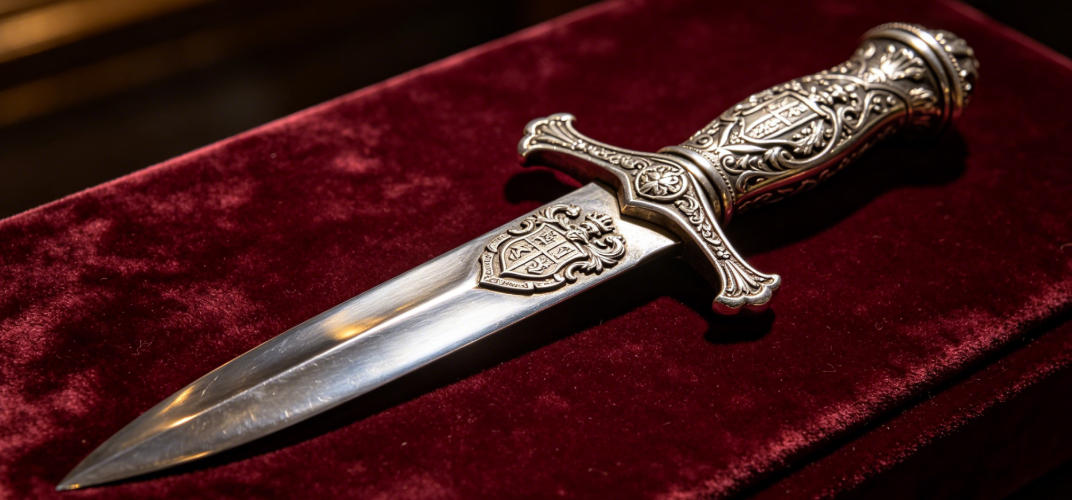
Was genau ist der Misericorde-Dolch und warum wurde er im Mittelalter als „Gnadenklinge“ bezeichnet?
Was ist der Misericorde-Dolch?
Die Misericorde (Gnadenklinge) ist eine spezialisierte mittelalterliche europäische Kaltwaffe, auch bekannt als „Klinge der Gnade“ oder „Dolch des Mitleids“. Es ist ein langer, schmaler und scharf zugespitzter Ritterdolch, der hauptsächlich auf dem Schlachtfeld eingesetzt wurde, um schwer verwundeten Feinden einen sogenannten „Gnadenschlag“ zu versetzen.
In der mittelalterlichen Kriegsführung war diese Waffe nicht nur ein Kampfwerkzeug, sondern auch ein symbolisches Objekt, das eng mit Ritterlichkeit, Ehrenkodexen und religiösem Glauben verbunden war.
Historisch gesehen tauchte die Misericorde erstmals zwischen dem 12. und 14. Jahrhundert auf, in einer Zeit, in der sich die Plattenrüstung in Europa weit verbreitete. Da gepanzerte Ritter mit traditionellen Schwertern immer schwieriger zu töten waren, entstand ein neuer Typ von Sekundärwaffe, der speziell dafür konzipiert war, einen Kampf „zu beenden“.
Auf dem Schlachtfeld, wenn ein Ritter oder Soldat außer Gefecht gesetzt, aber noch nicht tot war, wurde die Misericorde verwendet, um durch Schwachstellen in der Rüstung zu stoßen, wie Helmspalten, Achselgelenke oder Brustplattennähte. Diese hochpräzise Aktion diente nicht nur dem Töten; innerhalb der mittelalterlichen Kriegsethik wurde sie oft als eine Möglichkeit interpretiert, Leiden schnell und barmherzig zu beenden.
Somit ist die Misericorde nicht einfach ein mittelalterlicher Dolch, sondern eine Waffe, die vielschichtige Werte verkörpert. Sie spiegelt einen Widerspruch innerhalb des Rittersystems wider: die Koexistenz von Gewalt und Gnade. Aufgrund dieser Dualität wird sie oft als physisches Symbol der Ritterlichkeit angesehen.
Beeinflusst von der religiösen Kultur, vertiefte sich die Bedeutung der Misericorde. Im christlichen Denken konnte die Linderung von Leid als moralische Handlung angesehen werden, was der „Gnadenklinge“ eine fast heilige Dimension verlieh – sie wurde zu einem symbolischen Instrument zwischen Leben und Tod.
Innerhalb des mittelalterlichen Waffensystems repräsentiert die Misericorde den „letzten Moment“ des Kampfes. Sie verbindet die brutale Realität des Krieges mit mittelalterlichen Vorstellungen von Tod, Seele und Erlösung und macht sie zu einem wesentlichen Thema in der Erforschung der europäischen Militärkultur und der Rittertraditionen.

Ursprünge und mittelalterlicher Hintergrund der Misericorde
Das Wort 'Misericorde' stammt vom lateinischen misericordia ab, was „Gnade“ oder „Barmherzigkeit“ bedeutet. Diese Etymologie offenbart bereits ihre kulturelle Position im mittelalterlichen Europa – es war nicht rein ein Tötungswerkzeug, sondern eines, das mit dem ethischen Konzept der Beendigung von Leid verbunden war.
Zwischen dem 12. und 15. Jahrhundert durchlief die europäische Kriegsführung eine große Transformation. Mit der weit verbreiteten Entwicklung der Plattenrüstung wurden schwer gepanzerte Ritter zur dominanten Kraft auf dem Schlachtfeld. Mehrschichtige Metallrüstungen boten starken Widerstand gegen Hieb- und Stichangriffe, wodurch traditionelle Schwerter, Äxte und stumpfe Waffen viel weniger effektiv waren, um schnell tödliche Schläge zu versetzen.
Infolgedessen begannen Ritter, eine spezialisiertere Sekundärwaffe zu verwenden, die für präzise Stöße gegen Rüstungsschwächen konzipiert war – den Misericorde-Dolch. Er wurde typischerweise am Gürtel getragen oder an der Seite der Rüstung befestigt und im Nahkampf oder wenn ein Ritter niedergeschlagen worden war, eingesetzt.
⚔️ Taktische Realität und Schlachtfeldentwicklung
Die mittelalterliche Kriegsführung war weit entfernt von geordneten Duellen zwischen Rittern. Sie war chaotisch, brutal und ein langwieriger Nahkampf. Unter solchen Bedingungen wurde das Auftauchen der Misericorde durch klare praktische Notwendigkeiten bestimmt:
- Schwer gepanzerte Ritter konnten auch nach einer Verletzung lange überleben
- Lange Schwerter konnten die Rüstung oft nicht effizient durchdringen
- Verletzte Soldaten konnten das Schlachtfeld verlangsamen und Chaos verstärken
- Eine schnelle und effiziente Tötungsmethode war erforderlich
Daher wurde die Misericorde zu einer typischen „Endkampfwaffe“, die für präzise Nahkampfstöße auf extrem engem Raum konzipiert war.
🛡️ Präzisionsdesign gegen Rüstungsschwachstellen
Im Gegensatz zu traditionellen Dolchen war die Misericorde nicht zum Hauen oder Hacken konzipiert. Stattdessen wurde sie vollständig darauf ausgelegt, Rüstungsschwachstellen zu durchdringen, einschließlich:
- Helmvisierspalten: eines der tödlichsten Ziele, das direkten Zugang zum Gesicht oder Schädel ermöglicht
- Achselgelenke: strukturell schwächere und weniger geschützte Bereiche
- Brustplattennähte: strukturelle Verbindungspunkte zwischen Rüstungsplatten
- Nacken- und Schultergelenke: risikoreiche, aber lohnende Ziele
Um dies zu erreichen, hatte die Misericorde typischerweise eine lange, steife Klinge mit dreieckigem oder rautenförmigem Querschnitt, die den Widerstand reduzierte und die Durchdringungskraft in extrem kleinen Spalten maximierte.
⚔️ Von der taktischen Waffe zum „Gnadenwerkzeug“
In der Ritterkultur war die Misericorde nicht nur eine taktische Wahl, sondern erhielt auch eine ethische Dimension. Wenn ein Feind außer Gefecht gesetzt, aber noch leidend war, wurde die Verwendung der Misericorde, um einen schnellen Tod zu bringen, oft als Akt der Gnade angesehen – gemeinhin als „Gnadentötung“ bezeichnet.
Dieses Konzept hatte eine doppelte Bedeutung:
- Es spiegelte die Effizienz und Notwendigkeit auf dem Schlachtfeld wider
- Es entsprach der ritterlichen Tugend der Barmherzigkeit
Infolgedessen entwickelte sich die Misericorde von einer einfachen Sekundärwaffe zu einem Symbol, das Taktik, Ethik und kulturelle Bedeutung vereinte.
Design und strukturelle Merkmale der Misericorde
Als typischer mittelalterlicher Dolch ist die Misericorde eine hochspezialisierte Waffe, deren Struktur vollständig auf das Durchdringen von Rüstungsschwachstellen optimiert ist. Ihre Form und Mechanik unterscheiden sich erheblich von gewöhnlichen Dolchen.
Während des 12. bis 15. Jahrhunderts, als sich die Plattenrüstung verbesserte, verlagerte sich das Waffendesign von Allzweck-Tötungswerkzeugen zu hochspezialisierten Panzerabwehrsystemen. Die Misericorde ist ein Paradebeispiel für diese Entwicklung.
1. Lange und schmale Stichklinge (Panzerbrechendes Design)
Das markanteste Merkmal der Misericorde ist ihre extrem lange, schmale und steife Klinge. Anstelle breiter Schneiden ähnelt sie einer Nadel oder einem Dorn.
Wichtige Vorteile sind:
- Konzentriert die Kraft auf einen sehr kleinen Kontaktpunkt
- Gleitet leicht in Rüstungspalten
- Erhöht die Eindringtiefe im Nahkampf
- Reduziert die Wahrscheinlichkeit, von der Rüstung abgelenkt zu werden
Dies macht sie eher zu einem Stichinstrument als zu einer traditionellen Klinge und wird oft als frühe Form einer Panzerabwehrwaffe angesehen.
2. Dreieckiger oder rautenförmiger Querschnitt (Verstärkte Kernstruktur)
Um die Durchdringung weiter zu verbessern, verwenden Misericordes oft dreieckige oder rautenförmige Querschnitte, die klare mechanische Vorteile bieten:
- Größere strukturelle Steifigkeit und Biegefestigkeit
- Reduzierte Reibung beim Durchdringen
- Konzentration der Kraft an der Spitze
- Bessere Fähigkeit, Metallspalten aufzubrechen
Diese Struktur funktioniert wie ein verstärkter Stahlstachel und ermöglicht ein effektives Eindringen selbst in Kettenhemden und Rüstungsfugen.
3. Hochpräzise Kampffunktion
Im Gegensatz zu Schwertern, die für weit ausholende Angriffe konzipiert sind, ist die Misericorde eine präzisionsabhängige Waffe.
Ihre Verwendung erfordert:
- Nahkampf
- Genaue Identifizierung von Rüstungsschwachstellen
- Schnelle, punktgenaue tödliche Schläge
- Taktisches Bewusstsein im chaotischen Kampf
Sie war eher eine „Ultima Ratio“ für Ritter als eine Primärwaffe.
4. Edler Zierstil (Statussymbol)
Obwohl sie im Grunde ein Schlachtfeldwerkzeug war, entwickelte sich die Misericorde auch zu einem Symbol für Status und Adel.
Hochwertige Versionen umfassten oft:
- Gravierte Griffe aus Elfenbein, Knochen oder vergoldetem Metall
- Familienwappen oder religiöse Motive
- Dekorative Parierstangen oder vereinfachte Querstäbe
- Maßgeschneiderte Scheiden aus Leder oder Metall
Dies zeigt, dass die Misericorde sowohl eine funktionelle Waffe als auch eine Repräsentation ritterlicher Identität und sozialen Status war.

Symbolische Bedeutung der „Gnadenklinge“
Die Misericorde ist mehr als eine Waffe – sie ist ein kulturelles Symbol.
⚔️ 1. Gnade auf dem Schlachtfeld
In der Ritterkultur galt Barmherzigkeit als Kern-Tugend. Das Beenden des Leidens eines tödlich verwundeten Feindes wurde oft als humaner Akt angesehen, was den Begriff „Gnadenklinge“ hervorbrachte.
🛡️ 2. Ritterlichkeit und Ehre
Die mittelalterliche Ritterlichkeit betonte:
- Tapferkeit
- Ehre
- Barmherzigkeit
Die Misericorde verkörpert diese Ideale physisch.
✝️ 3. Religiöser Einfluss
Im christlichen Weltbild wurde die Linderung von Leid manchmal als moralische Pflicht angesehen. Dies verlieh der Bedeutung der Waffe eine spirituelle Dimension.
Schlachtfeldnutzung der Misericorde
Im eigentlichen Kampf wurde die Misericorde hauptsächlich verwendet für:
- Töten von kampfunfähigen Feinden
- Durchdringen von Rüstungsschwachstellen für tödliche Schläge
- Nahkampf-Selbstverteidigung
- Schlachtfeld-„Finishing“-Aktionen
Es war eine Sekundärwaffe, die von fast jedem Ritter getragen wurde.
Historische und kulturelle Auswirkungen
Im Laufe der Zeit entwickelte sich die Misericorde von einer Waffe zu einem kulturellen Symbol:
Mittelalterliche Literatur und Kunst
Oft die Grenze zwischen Leben und Tod darstellend.
Ritterliche Rituale und Status
Manchmal als Teil der ritterlichen Ausrüstung enthalten.
Moderne Geschichtsforschung und Sammeln
Heute wird es studiert in:
- Forschung zur Geschichte mittelalterlicher Waffen
- Studien zur europäischen Ritterkultur
- Sammeln und Reproduzieren kalter Waffen
Moderne Bedeutung der Misericorde
Heute ist die Misericorde relevant als:
- Ein häufiger Gegenstand in der historischen Nachstellung
- Ein Museumssammelstück
- Eine Designreferenz in Spielen und Filmen
- Ein Forschungsobjekt in Studien zu mittelalterlichen Waffen
Es ist nicht nur eine Waffe, sondern ein wichtiges Fenster in die mittelalterliche Kriegsethik.
Fazit: Das Erbe der Misericorde
Der Gnaden Dolch ist ein Produkt des verwobenen mittelalterlichen Krieges und der ritterlichen Kultur.
Es repräsentiert sowohl die Brutalität des Krieges als auch das komplexe Verständnis der Menschheit von Barmherzigkeit. In der Geschichte der kalten Waffen verbindet die „Gnadenklinge“ auf einzigartige Weise Gewalt und Moral, Tod und Würde.

