


Weibliche Samurai erklärt: Die Geschichte der Onna-Bugeisha-Kriegerinnen
- von COOLKATANA
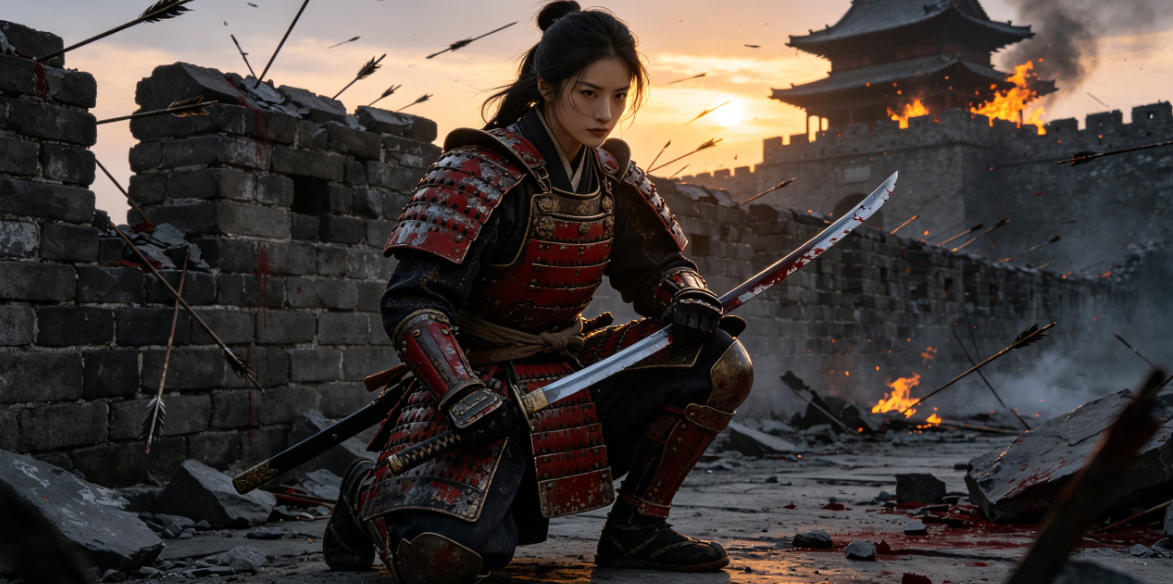
Wer waren die weiblichen Samurai in Japan und wie kämpften sie?
In der japanischen Samuraikultur gab es neben den bekannten männlichen Kriegern auch eine mächtige, aber oft übersehene Gruppe – die weiblichen Samurai (女性武士 / Onna-Bugeisha). Diese Kriegerinnen gehörten der Samurai-Klasse (Bushi-Klasse) im feudalen Japan an und erhielten eine ähnliche militärische Ausbildung wie die männlichen Samurai. Sie waren verantwortlich für die Verteidigung ihrer Häuser, Burgen und Territorien in Kriegszeiten.
Historisch gesehen waren weibliche Samurai keine symbolischen Figuren, sondern aktive Teilnehmerinnen an Kämpfen, Burgverteidigungen und militärischem Schutz, wobei echte Aufzeichnungen während der Sengoku-Zeit und früherer Epochen der japanischen Geschichte auftauchen.
Was sind weibliche Samurai (Kriegerinnen)?
Der Begriff weibliche Samurai wird historisch genauer als Onna-Bugeisha (女武芸者) bezeichnet. Diese Frauen gehörten der Samurai-Kriegerklasse an und wurden in der Regel in Samurai-Familien geboren. Von klein auf wurden sie in Kampfkünsten ausgebildet, darunter Schwertkampf, Naginata-Kampf, Bogenschießen und grundlegende Schlachtfeldtaktiken.
Anstatt sekundäre Unterstützungsfiguren zu sein, galten weibliche Samurai als wesentlicher Bestandteil des Clan-Verteidigungssystems.
Zu ihren Hauptaufgaben gehörten:
- Verteidigung der Familie und der Samurai-Burgen (Burgverteidigungssystem)
- Schutz der Territorien, während die männlichen Samurai im Krieg waren
- Teilnahme am tatsächlichen Kampf bei Invasionen oder Schlachten
- Aufrechterhaltung der Bushido (武士道) Ehre und Loyalitätsprinzipien, selbst in extremen Situationen
Diese Frauen waren keine seltenen Ausnahmen, sondern ein organisierter und ausgebildeter Teil der japanischen feudalen Militärstruktur.

Historischer Hintergrund der weiblichen Samurai
Die Geschichte der weiblichen Samurai lässt sich bis in die frühe japanische Kriegsführung zurückverfolgen und wurde während der Heian-Zeit strukturierter, wobei sie ihren Höhepunkt in der Sengoku-Ära (Zeit der streitenden Reiche) erreichte. Während häufiger territorialer Konflikte und Burgbelagerungen wurde ihre militärische Rolle immer wichtiger.
Historische Aufzeichnungen zeigen, dass weibliche Samurai oft an der Seite männlicher Krieger in Schlachten kämpften. In der Burgenbelagerungskriegführung spielten sie entscheidende Verteidigungsrollen wie Bogenschießen, Mauernverteidigung und Nahkampfschutz.
Wenn Burgen angegriffen wurden, wurden weibliche Samurai Schlüsselpositionen in der Verteidigung zugewiesen, darunter:
- Burgmauern und Tore
- Strategische Verteidigungspunkte
- Hintere Unterstützung und Notfalleinheiten
In extremen Fällen bildeten sie die letzte Verteidigungslinie, um das Eindringen des Feindes in die innere Burg zu verhindern.
Gleichzeitig hatten weibliche Samurai auch administrative Aufgaben. Wenn die männlichen Samurai im Krieg waren, verwalteten sie Haushalts- und territoriale Angelegenheiten, einschließlich der Ressourcenverteilung, Personalorganisation und lokalen Verwaltung. Dies schuf eine Doppelrolle als Kriegerin + Administratorin, was sie in der Samurai-Gesellschaft sehr wertvoll machte.
Ausbildungs- und Waffensystem der weiblichen Samurai
Das Ausbildungssystem der weiblichen Samurai ähnelte dem der männlichen Samurai, war aber an spezifische Kampfrollen und körperliche Bedingungen angepasst. Ihre Ausbildung umfasste nicht nur Waffenfertigkeiten, sondern auch körperliche Konditionierung, Reaktionstraining, taktisches Denken und Verteidigungsstrategie.
1. Lange Stangenwaffe (Naginata)
Die bekannteste Waffe der weiblichen Samurai war die Naginata (薙刀), die zu einer symbolischen Waffe der Kriegerinnen wurde.
Wesentliche Merkmale sind:
- Große Angriffsreichweite zur Schlachtfeldkontrolle
- Sehr effektiv bei der Burgverteidigung und im Kampf in engem Gelände
- Stark gegen Kavallerie und mehrere Feinde
- Ausgewogene Hieb- und Schwungtechniken
Die Naginata wurde zu einem prägenden Symbol der Kampfidentität weiblicher Samurai, das ihnen ermöglichte, effektiv zu kämpfen, ohne auf rohe Kraft angewiesen zu sein.
2. Bogen und Pfeil (Yumi)
Der traditionelle japanische Langbogen, Yumi, war eine weitere wesentliche Waffe in der Ausbildung weiblicher Samurai.
Ihre Anwendung auf dem Schlachtfeld umfasste:
- Weitschuss zur Burgverteidigung
- Unterdrückung von Feinden, bevor sie die Mauern erreichten
- Taktische Gebietskontrolle während Belagerungen
- Unterstützung der vordersten Samurai-Einheiten im offenen Kampf
Das Bogenschießtraining entwickelte auch Disziplin, Atemkontrolle und mentale Konzentration unter Druck, was es zu einem wichtigen Bestandteil der Schlachtfeldvorbereitung weiblicher Samurai machte.

3. Kurze Klinge (Kaiken)
Das Kaiken (短刀) war die letzte Verteidigungslinie für weibliche Samurai, das in extremen Nahkampfsituationen eingesetzt wurde.
Seine Rollen umfassten:
- Letzte Selbstverteidigungswaffe
- Einsatz im Innenbereich und im Nahkampf
- Schutz der eigenen Person und der Familienmitglieder
- Symbolische Verbindung mit Ehre und entschlossenem Handeln in der Samurai-Kultur
Trotz seiner geringen Größe hatte das Kaiken eine tiefe symbolische Bedeutung, die das Konzept des „kein Rückzug“ und der ultimativen Entschlossenheit innerhalb des Samurai-Waffensystems repräsentierte.
Berühmte weibliche Samurai in der Geschichte
Mehrere gut dokumentierte weibliche Samurai-Kriegerinnen spielten wichtige Rollen in der japanischen Geschichte:
- Tomoe Gozen – Eine legendäre Kriegerin, bekannt für außergewöhnliche Stärke auf dem Schlachtfeld
- Hangaku Gozen – Berühmt für das Kommando und die Verteidigung von Befestigungen
- Hojo Masako – Einflussreiche politische und militärische Persönlichkeit in der japanischen Geschichte
Diese Persönlichkeiten beweisen, dass weibliche Samurai keine mythologischen Schöpfungen, sondern echte Akteurinnen in Japans Militärgeschichte waren.
Weibliche Samurai und der Bushido-Geist
Weibliche Samurai waren nicht nur Kriegerinnen, sondern auch wahre Praktikerinnen des Bushido (Samurai-Ehrenkodex). Obwohl sie in einer männerdominierten Gesellschaft lebten, folgten sie einer strengen Disziplin und verkörperten die Kernwerte der Samurai.
Ihre Kernprinzipien umfassten:
- Loyalität (忠诚 Loyalty) – Absolute Hingabe an Familie und Lehnsherr
- Mut (勇气 Courage) – Angstfrei dem Krieg begegnen
- Pflicht (责任 Duty) – Schutz von Heim und Territorium
- Ehre (荣誉 Honor) – Würde bewahren, selbst in der Niederlage
Historische Berichte zeigen, dass einige weibliche Samurai bis zu den letzten Momenten von Burgbelagerungen weiterkämpften und extreme mentale Widerstandsfähigkeit und Opferbereitschaft zeigten.
Niedergang und Erbe der weiblichen Samurai
Während der Edo-Zeit trat Japan in eine lange Friedensperiode ein und entwickelte sich von einer kriegsbasierten Gesellschaft zu einem stabilen Feudalsystem. Infolgedessen nahm die aktive militärische Rolle der weiblichen Samurai allmählich ab, und viele konzentrierten sich auf Haushaltsführung, Bildung und Kulturerhaltung.
Ihr Erbe lebt jedoch heute in vielfältiger Form weiter:
- Bewahrung des Naginata-Do (薙刀道) als traditionelle Kampfkunst
- Wiederholte Darstellung in historischer Literatur und Kriegschroniken
- Einfluss auf moderne Anime, Filme und Videospiele mit weiblichen Kriegern
- Symbol für weibliche Ermächtigung, Unabhängigkeit und Widerstandsfähigkeit in der modernen Kultur
Durch diese kulturellen Kanäle bleiben weibliche Samurai nicht nur als historische Persönlichkeiten, sondern auch als moderne inspirierende Symbole relevant.
Fazit
Weibliche Samurai (Onna-Bugeisha) stellen einen wesentlichen und oft unterrepräsentierten Teil der japanischen Geschichte dar. Sie waren nicht nur Teilnehmerinnen am Krieg, sondern auch wichtige Verteidigerinnen ihrer Familien, Burgen und Ehre.
Aus historischer Sicht waren weibliche Samurai nicht nur „Kriegerinnen“, sondern voll integrierte Mitglieder des japanischen Samurai-Militärsystems, die sowohl zur Kriegsführung als auch zur Regierungsführung im feudalen Japan erheblich beitrugen.

