


Hattori Hanzō: Samurai-General, Ninja-Anführer und Sengoku-Legende
- von COOLKATANA
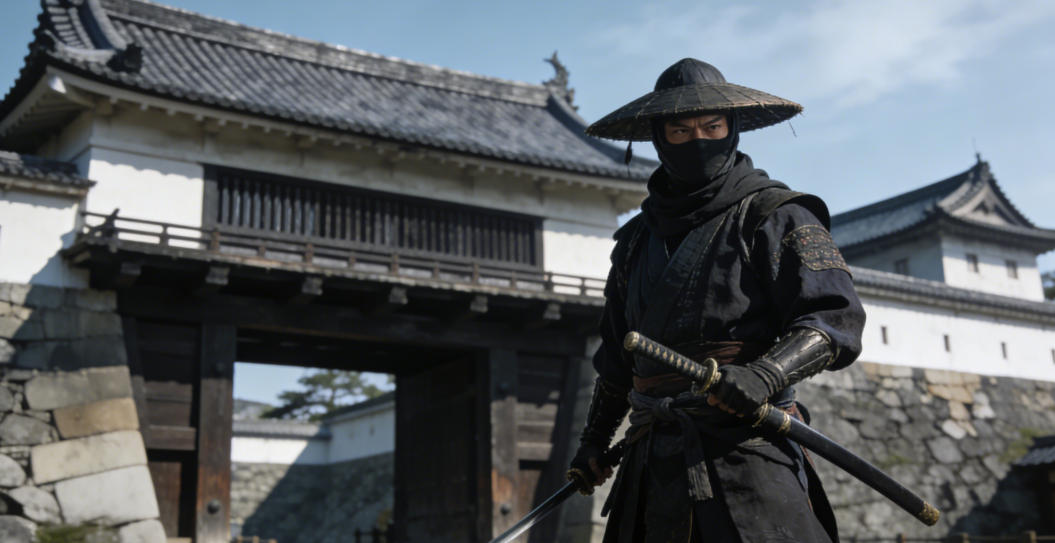
Wer war Hattori Hanzo und warum ist er in der Samurai- und Ninja-Geschichte berühmt?
In der Geschichte der japanischen Sengoku-Zeit bleibt ein Name eng mit dem Samurai-Geist und der Ninja-Legende verbunden – Hattori Hanzo. Er war nicht nur ein herausragender Hanzo-Samurai, sondern auch ein legendärer Anführer, der Ninja-Truppen befehligte. Die Geschichte von Hanzo Hattori nimmt einen wichtigen Platz in der japanischen Geschichte, der Samurai-Kultur und der Ninja-Folklore ein.
Als einer von Tokugawa Ieyasus treuesten Generälen war Hattori in der Lage, Truppen auf dem Schlachtfeld zu führen und gleichzeitig verdeckte Operationen zu leiten. Aufgrund dieser seltenen Kombination von Rollen wird er oft als eine der legendärsten Hanzo-Ninja-Figuren in der Geschichte angesehen. Sein Leben umfasste Kriegsführung, Politik und die geheime Welt des Ninjutsu, was unzählige literarische Werke, Filme und Videospiele späterer Generationen inspirierte.
Wer war Hattori Hanzo
Hattori Hanzo wurde 1542 in der Provinz Mikawa geboren, die heute Teil der Präfektur Aichi, Japan, ist. Sein richtiger Name war Hattori Masanari, und er stammte aus der Familie Hattori, die enge Verbindungen zu den berühmten Iga-Ninja-Clans hatte. Da die Iga-Region historisch für ihre Ninja-Traditionen bekannt war, wuchs Hanzo Hattori in einem Umfeld auf, in dem Samurai-Kriegsführung und Ninja-Taktiken koexistierten.
In seiner Jugend erhielt Hattori Hanzo eine strenge Samurai-Ausbildung. Dazu gehörten Schwertkampf, Bogenschießen, Reitkampf und Schlachtfeld-Führung. Die Ausbildung der Samurai in der Sengoku-Zeit war rigoros und erforderte nicht nur die Beherrschung von Waffen, sondern auch Kenntnisse der Militärstrategie, Truppenformationen und Entscheidungsfindung auf dem Schlachtfeld. Gleichzeitig machte er sich mit Ninja-Techniken wie Aufklärung, Tarnung, Informationsbeschaffung und Nachtoperationen vertraut. Diese Kombination von Hanzo-Samurai- und Hanzo-Ninja-Fähigkeiten ließ ihn unter vielen Kriegern dieser Ära hervorstechen.
Mit zunehmendem Alter zeigte Hanzo Hattori schnell bemerkenswertes Kampftalent und Führungsfähigkeit. Er zeichnete sich im Nahkampf mit dem Schwert aus und konnte bei komplexen Schlachten schnelle strategische Entscheidungen treffen. Diese Qualitäten brachten ihm Anerkennung innerhalb des Tokugawa-Clans ein und etablierten ihn schließlich als einen ihrer wichtigen Militärbefehlshaber.
In vielen Schlachten wurde Hattori Hanzo für seinen Mut und seine entschlossene Führung bekannt. Er kämpfte oft an vorderster Front und bewahrte auch in gefährlichen Situationen die Ruhe, was ihm sowohl Respekt als auch Furcht bei Verbündeten und Feinden einbrachte. Wegen seiner wilden Präsenz auf dem Schlachtfeld nannten ihn die Leute „Oni no Hanzo“, was „Dämon Hanzo“ bedeutet. In diesem Kontext symbolisierte „Dämon“ überwältigende Stärke und einen einschüchternden Kriegergeist und nicht etwas Negatives.
Mit wachsendem Ruf wurde Hattori nicht nur ein vertrauenswürdiger Samurai von Tokugawa Ieyasu, sondern auch eine der legendärsten Figuren der Sengoku-Zeit. Er war sowohl ein loyaler Hanzo-Samurai als auch ein Kommandant, der Ninja-Truppen auf geheimen Missionen führen konnte, und diese duale Identität sorgte dafür, dass sein Name in der japanischen Geschichte und Ninja-Kultur weiterlebte.

Frühes Leben und erste militärische Erfolge
Der junge Hanzo-Samurai trat schon früh in den Dienst von Tokugawa Ieyasu ein und bewies schnell sein militärisches Talent in mehreren Konflikten.
Historischen Aufzeichnungen zufolge gelang es Hattori Hanzo, als er noch ein Teenager war, eine wichtige Geisel zu befreien, die von feindlichen Kräften gefangen genommen worden war. Dieser kühne Akt gewann sofort das Vertrauen von Tokugawa Ieyasu und sicherte seinen Platz innerhalb der Tokugawa-Fraktion.
Mit zunehmender Kampferfahrung erzielte Hanzo Hattori nicht nur Erfolge im offenen Kampf, sondern begann auch, Ninja-Einheiten aus der Iga-Region zu befehligen. Diese Krieger waren hochqualifiziert in der Informationsbeschaffung, bei nächtlichen Überfällen und verdeckten Operationen, was den wachsenden Ruf der Hanzo-Ninja-Truppen festigte.
Die einzigartige Rolle eines Samurai und Ninja
In der japanischen Geschichte gehörten Samurai und Ninja typischerweise zu getrennten sozialen und militärischen Systemen. Samurai dienten als offizielle Militärklasse, die für den Kampf auf dem Schlachtfeld, die Verteidigung von Territorien und die politische Verwaltung zuständig war. Ninjas hingegen spezialisierten sich auf Spionage, Infiltration, Sabotage und verdeckte Operationen.
Doch Hattori Hanzo wurde zu einer der seltenen Persönlichkeiten, die in beiden Welten erfolgreich agierten. Er war sowohl ein Schlachtfeldkommandant, der Truppen in den Kampf führte, als auch ein Stratege, der geheime Missionen leiten konnte.
Diese einzigartige Position verlieh Hanzo Hattori eine besondere Rolle während der Sengoku-Zeit. Als Hanzo-Samurai besaß er außergewöhnliche Schwertkunst und Führungsfähigkeiten, verstand aber auch Ninja-Taktiken und setzte sie effektiv ein. Dies ermöglichte es ihm, als Brücke zwischen der Samurai-Klasse und den Ninja-Organisationen zu dienen, wodurch Tokugawa Ieyasu die Ninja-Netzwerke strategisch besser nutzen konnte.
In vielen entscheidenden Schlachten und politischen Ereignissen nahm Hattori Hanzo am offenen Kampf teil und koordinierte gleichzeitig verdeckte Operationen durch Ninja-Agenten. Diese Operationen umfassten Informationsbeschaffung, Überwachung des Feindes, Nachtangriffe, Störung von Versorgungslinien und die geheime Übermittlung von Informationen. Solche Taktiken waren im komplexen militärischen Umfeld der Sengoku-Ära äußerst wertvoll.
Die meisten der Hanzo-Ninja unter seinem Kommando stammten aus der Iga-Region, deren Ninja für Disziplin, Tarnung und operative Effektivität berühmt waren. Unter der Führung von Hanzo Hattori wurden diese Ninja zu einem wichtigen Nachrichtennetzwerk für die Tokugawa-Truppen und spielten eine Schlüsselrolle bei Aufklärung, Schutz und Spezialoperationen.
Aufgrund seiner Fähigkeit, konventionelle Kriegsführung mit verdeckter Strategie zu verbinden, wurde Hattori während der Sengoku-Zeit allmählich zu einem Symbol für strategisches Genie und Ninja-Macht. Seine Karriere zeigte, dass der Sieg in jener turbulenten Ära nicht nur von Stärke, sondern auch von Intelligenz, Strategie und einem tiefen Verständnis der Kriegsführung abhing.

Die kritische Mission nach dem Honno-ji-Zwischenfall
Im Jahr 1582 erreichte die japanische Geschichte einen Wendepunkt, als Oda Nobunaga während des Honno-ji-Zwischenfalls plötzlich von seinem General Akechi Mitsuhide angegriffen und getötet wurde. Dieses Ereignis verursachte politisches Chaos in ganz Japan, und viele Kriegsherren befanden sich in unsicheren und gefährlichen Situationen.
Zu dieser Zeit befand sich Tokugawa Ieyasu in der Region Sakai, relativ nahe an Kyoto. Mit der plötzlichen Machtverschiebung sah er sich dem ernsthaften Risiko ausgesetzt, von feindlichen Kräften gefangen genommen oder getötet zu werden.
In diesem kritischen Moment zeigte Hattori Hanzo außergewöhnliche Führungsqualitäten. Er organisierte eine Gruppe von Iga-Ninja, um Tokugawa Ieyasu über einen geheimen Fluchtweg zu eskortieren. Anstatt Hauptstraßen zu benutzen, reisten sie durch die zerklüfteten Berge und Wälder der Iga-Region, ein Gelände, das die Ninja extrem gut kannten.
Während der gesamten Reise koordinierte Hanzo Hattori die Sicherheit, während das Hanzo-Ninja-Netzwerk die Umgebung erkundete, um feindliche Patrouillen zu vermeiden. Ninja-Agenten zogen voraus, um Routen zu beobachten, potenzielle Bedrohungen zu eliminieren und sicherzustellen, dass Ieyasus Bewegungen verborgen blieben.
Nach mehreren schwierigen Reisetagen eskortierten sie Tokugawa Ieyasu erfolgreich in Sicherheit. Diese Operation wurde später als die berühmte „Iga-Flucht“ bekannt, einer der dramatischsten Rückzüge in der Sengoku-Zeit.
Viele Historiker glauben, dass Tokugawa Ieyasu ohne Hattori Hanzo und seine Ninja-Eskorte diese Krise möglicherweise nicht überlebt hätte und die japanische Geschichte einen ganz anderen Verlauf hätte nehmen können.
Hattori Hanzos Rolle in der Edo-Zeit
Nachdem Tokugawa Ieyasu in der Schlacht von Sekigahara den Sieg errungen und Japan allmählich geeint hatte, gründete er 1603 das Tokugawa-Shogunat, was den Beginn der Edo-Zeit markierte.
In dieser neuen Ära politischer Stabilität wurden viele Krieger, die während der Sengoku-Kriege gedient hatten, mit wichtigen Aufgaben betraut. Hanzo Hattori wurde zu einer der vertrauenswürdigsten Persönlichkeiten innerhalb der Tokugawa-Verwaltung.
Hattori Hanzo wurde beauftragt, die Verteidigung der Burg Edo, des politischen Zentrums des neuen Shogunats, zu überwachen. Da die Burg Edo eine der wichtigsten militärischen und administrativen Festungen Japans war, konnten nur hochrangige Samurai mit ihrer Sicherheit betraut werden.
Gleichzeitig pflegte er enge Verbindungen zu den Iga-Ninja und befehligte weiterhin bestimmte Ninja-Einheiten. In der Edo-Zeit waren diese Ninja weniger an offener Kriegsführung beteiligt und konzentrierten sich stattdessen auf Sicherheitsaufgaben, Informationsbeschaffung und den Schutz des Shogunats.
Als Anerkennung seiner Verdienste wurde eines der Tore der Burg Edo Hanzomon oder „Hanzo-Tor“ genannt. Dieses Tor gab später einem Gebiet des modernen Tokio seinen Namen, wo der Name „Hanzomon“ noch heute in der Geografie und dem U-Bahn-System der Stadt existiert.
Dieses historische Wahrzeichen stellt sicher, dass das Erbe von Hattori Hanzo auch im modernen Japan sichtbar bleibt und Loyalität und Dienst am Tokugawa-Shogunat symbolisiert.
Das Bild von Hanzo: Zwischen Legende und Realität
Im Laufe der Zeit wurden die Geschichten um Hanzo-Ninja zunehmend mythisch. Einige Legenden behaupteten, er besäße übernatürliche Fähigkeiten wie Unsichtbarkeit, Teleportation oder magische Kräfte.
In Wirklichkeit sind diese Geschichten wahrscheinlich Übertreibungen, die durch spätere Literatur, Theater und Popkultur entstanden sind. Der historische Hattori war genauer gesagt ein brillanter Militärstratege und Kommandant und kein übernatürlicher Ninja.
Diese Mischung aus Fakt und Legende trug jedoch dazu bei, Hattori Hanzo zu einer der ikonischsten Figuren der japanischen Kulturgeschichte zu machen.
Hanzos letzte Jahre und Nachfolger
Hattori Hanzo starb 1596 und beendete ein Leben voller militärischer Erfolge und historischer Bedeutung.
Seine Nachkommen erbten den Namen Hanzo und dienten weiterhin dem Tokugawa-Shogunat. Mit fortschreitender Edo-Zeit und abnehmender Kriegsführung verloren die Ninja-Streitkräfte jedoch allmählich ihre frühere Bedeutung. Infolgedessen erreichten seine Nachfolger nie den gleichen Ruhm wie der ursprüngliche Hanzo Hattori.
Dennoch tauchte sein Name weiterhin in historischen Aufzeichnungen auf und blieb ein dauerhaftes Symbol des Samurai- und Ninja-Erbes.
Handgeschmiedetes japanisches Katana-Schwert, Hattori Hanzo Schwert aus Manganstahl mit schwarzer Donnermusterklinge, rückführbare Scheide

Das historische Erbe von Hattori Hanzo
In der japanischen Geschichts- und Kulturforschung gilt Hattori Hanzo als wichtige Figur, die die Samurai-Tradition mit der Ninja-Geschichte verbindet. Er repräsentiert die strategische Intelligenz, Loyalität und den Mut, die die Sengoku-Ära prägten.
Heute sind die Bilder von Hanzo-Ninja und Hanzo-Samurai in historischen Studien, der Samurai-Kultur, Ninja-Geschichten und moderner Unterhaltung wie Anime, Filmen und Videospielen weithin anerkannt.
Sein legendäres Leben zeigt, dass in der komplexen Welt des Sengoku-Japan ein wirklich großer Krieger nicht nur Stärke, sondern auch Weisheit, Loyalität und strategische Vision erforderte.

