


Ishikawa Goemon erklärt: Held oder Dieb in der japanischen Geschichte
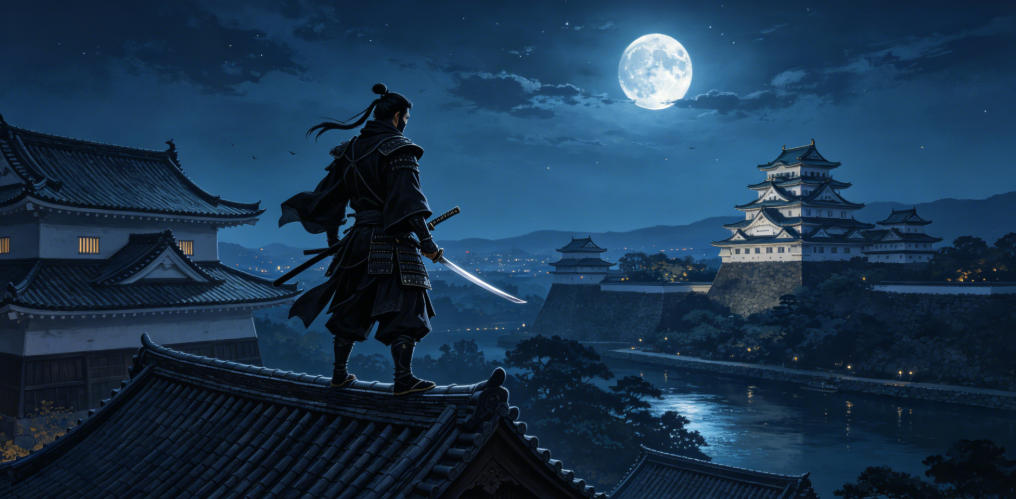
War Ishikawa Goemon real und ist Goemon Ishikawa wirklich Japans Robin Hood?
In der Folklore der japanischen Sengoku-Zeit steht Goemon als eine der mysteriösesten und umstrittensten Figuren. Seine Geschichte wurde über Jahrhunderte hinweg durch Theater, Romane, Filme und Spiele neu erzählt, wodurch sich Goemon Ishikawa allmählich zu einem Symbol entwickelte, das oft mit Japans Version von Robin Hood verglichen wird. Ob der historische Ishikawa Goemon jedoch wirklich ein heldenhafter Gesetzloser war, der von den Reichen stahl, um den Armen zu helfen, oder einfach nur ein Banditenführer, bleibt ungeklärt.
Wer ist Ishikawa Goemon und existierte er wirklich?
Ishikawa Goemon ist eine legendäre Figur aus dem späten Sengoku-Japan, oft beschrieben als rechtschaffener Dieb oder Banditenführer. Seine historische Existenz ist jedoch umstritten, wobei einige Gelehrte vermuten, dass er eine reale Person gewesen sein könnte, während andere glauben, dass er eine zusammengesetzte Figur ist, die aus mehreren Volkserzählungen entstanden ist.
Historischer Hintergrund und Ära von Ishikawa Goemon
Traditionellen Berichten zufolge soll Ishikawa Goemon im späten 16. Jahrhundert, am Ende der Sengoku-Zeit, gelebt haben. Dies war eine Zeit intensiver sozialer Instabilität, ständiger Kriege und sich verschiebender politischer Kräfte. Feudalherren kämpften um Territorien, Kriege waren häufig, und die soziale Ordnung war zutiefst instabil.
In einem solchen Umfeld wurden Banditen, Ronin und vertriebene Krieger zur Normalität. Viele Menschen verloren ihre Familien, Ländereien oder Herren, was sie zu einem Überlebensstil zwang, der oft Kriminalität oder bewaffneten Widerstand einschloss. In diesem chaotischen Kontext begann die Legende von Goemon Ishikawa Gestalt anzunehmen und sich im Laufe der Zeit zu entwickeln.
Seine Herkunft bleibt ungewiss. Einige Theorien besagen, dass er aus einer gefallenen Samurai-Familie stammte und eine gewisse militärische Ausbildung hatte. Andere argumentieren, dass er ein gewöhnlicher Bürger war, der nach dem Verlust alles im Krieg zum Banditentum überging.
Eine romantisiertere Version stellt Goemon als jemanden dar, der möglicherweise Verbindungen zu Ninja-Gruppen oder Geheimorganisationen hatte, obwohl dies an historischen Belegen fehlt und wahrscheinlich eine spätere literarische Ergänzung ist. Unabhängig von der Version entstand Ishikawa Goemon aus einer zutiefst instabilen Ära, die seine symbolische Identität prägte.
Im Laufe der Zeit verwandelte er sich von einer Randfigur der Geschichte in ein kulturelles Symbol, das soziale Unruhen, Widerstand und die Ängste der Unterschicht repräsentierte.

Warum Goemon Ishikawa Japans Robin Hood genannt wird
In der Literatur und im Theater der Edo-Zeit änderte sich das Bild von Goemon Ishikawa dramatisch. Er war nicht länger nur ein vager Gesetzloser, sondern wurde als moralische Figur, bekannt als „rechtschaffener Dieb“, neu interpretiert. In vielen Volkserzählungen wurde er als jemand dargestellt, der in die Häuser reicher Kaufleute und Adliger einbrach, deren Reichtümer stahl und sie an die Armen verteilte, was ihm den Spitznamen „Japans Robin Hood“ einbrachte.
Diese Transformation war eng mit dem kulturellen Umfeld der Edo-Zeit verbunden. Obwohl im Vergleich zur Sengoku-Ära relativ friedlich, gab es in der Gesellschaft immer noch strenge Klassenteilungen zwischen Samurai, Kaufleuten und gewöhnlichen Bürgern. In diesem Kontext wurde Goemon natürlich zu einem Symbol des Widerstands gegen Reichtumsungleichheit und Autorität.
Aus historischer Sicht gibt es jedoch keine stichhaltigen Beweise dafür, dass Goemon Ishikawa systematisch Reichtum an die Armen verteilte. Stattdessen war er wahrscheinlich eher in Raub, Diebstahl und möglicherweise politisch motivierte Verbrechen als Teil einer bewaffneten Gruppe verwickelt.
Trotzdem betonten Volkserzählungen weiterhin seinen Aspekt der „Gerechtigkeit“. Dies spiegelt eine psychologische Projektion der unteren sozialen Schichten wider, die Rebellen oft als Symbole für Fairness und Widerstand idealisierten.
Infolgedessen entfernte sich Ishikawa Goemon allmählich von der historischen Realität und wurde zu einer symbolischen Figur, die imaginierte Gerechtigkeit und soziale Umverteilung repräsentierte.
Die Identitätsdebatte um Ishikawa Goemon
Die wahre Identität von Ishikawa Goemon bleibt eines der meistdiskutierten Themen in der japanischen Geschichtsforschung. Aufgrund unvollständiger Aufzeichnungen aus der späten Sengoku-Zeit und jahrhundertelanger mündlicher Überlieferung wurde das reale Bild von Goemon Ishikawa mit Mythen und Neuinterpretationen überlagert.
Eine traditionelle Theorie besagt, dass Goemon möglicherweise Verbindungen zu Ninja-Systemen oder geheimen Kampftrainings hatte. Diese Vorstellung stammt hauptsächlich aus theatralischen und literarischen Darstellungen, in denen er als hochbegabt in Tarnung und Kampf gezeigt wird. Es gibt jedoch keine stichhaltigen historischen Beweise, die diese Behauptung stützen, was es eher zu einer fiktionalen Ausschmückung macht.
Eine konservativere akademische Ansicht besagt, dass Ishikawa Goemon einfach ein Banditenführer war, der in der Kansai-Region operierte, Teil der breiteren Klasse bewaffneter Gesetzloser, die im späten Sengoku-Japan üblich waren. Diese Interpretation stimmt enger mit der historischen Instabilität dieser Zeit überein.
Eine weitere moderne Theorie besagt, dass Goemon Ishikawa überhaupt keine einzelne historische Person ist, sondern eine Verschmelzung mehrerer Gesetzlosengeschichten, die im Laufe der Zeit durch mündliche Überlieferung zusammengeführt wurden. In diesem Sinne könnte „Ishikawa Goemon“ ein symbolisches Label für rebellische Figuren darstellen, die am Rande der Gesellschaft agieren.
Aufgrund dieser konkurrierenden Interpretationen bleibt Goemon historisch mehrdeutig – möglicherweise eine reale Person, aber ebenso gut eine über Jahrhunderte geformte kulturelle Konstruktion.
Berühmte Taten und Legenden von Goemon
Unter den vielen Geschichten über Goemon sind die berühmtesten seine waghalsigen Überfälle auf reiche Haushalte und einflussreiche Persönlichkeiten. Diese Erzählungen stellen ihn oft als jemanden dar, der in schwer bewachte Residenzen eindringen und mit wertvollen Schätzen entkommen konnte.
In diesen Erzählungen wird Ishikawa Goemon als hochqualifiziert, kühn und fast unaufhaltsam dargestellt, was seine Verwandlung vom Gesetzlosen zur legendären Figur untermauert.
Eine der bekanntesten Geschichten ist sein angeblicher Attentatsversuch auf Toyotomi Hideyoshi. Dieses Ereignis gilt als Wendepunkt in der Legende von Goemon Ishikawa, obwohl es in mehreren widersprüchlichen Versionen erscheint. Einige stellen es als Akt des Widerstands gegen Tyrannei dar, während andere es als Rache oder politische Intrige beschreiben.
Aus historischer Sicht gibt es keine zuverlässigen Beweise, die diesen Attentatsversuch bestätigen. Es handelt sich höchstwahrscheinlich um eine spätere literarische Erfindung, die darauf abzielt, die dramatische Spannung zu erhöhen und Goemons Status als Herausforderer der Autorität zu erhöhen.
Der Tod von Ishikawa Goemon und die Legende der Ölkessel-Hinrichtung
Das dramatischste und bekannteste Ende von Ishikawa Goemon ist die sogenannte „Ölkessel-Hinrichtung“. Der Legende nach wurden er und seine Familie öffentlich hingerichtet, indem sie in einem großen Eisenkessel mit kochendem Öl oder Wasser lebendig gekocht wurden.
Diese Geschichte ist visuell eindrucksvoll und wurde in späteren künstlerischen und theatralischen Adaptionen weit verbreitet. Ihre historische Genauigkeit ist jedoch höchst fragwürdig. Historiker glauben im Allgemeinen, dass es sich um eine übertriebene Erzählung handelt, die während der Edo-Zeit entstanden ist, und nicht um ein tatsächliches historisches Ereignis.
Obwohl Hinrichtungen in der Sengoku-Ära tatsächlich hart waren, gibt es keine stichhaltigen Beweise, die eine solch spezifische Hinrichtungsmethode bestätigen. Trotzdem verstärkte die Geschichte das tragische und heroische Bild von Goemon Ishikawa erheblich.
Durch dieses dramatische Ende erhielt Goemons Geschichte einen vollständigen Erzählbogen: Rebellion, Verfolgung, Scheitern und einen tragischen Tod. Diese Struktur trug dazu bei, seinen Platz als legendäre Figur in der japanischen Kultur zu festigen.
Goemons Entwicklung und kulturelle Auswirkungen
Im Laufe der Zeit entwickelte sich Goemon Ishikawa von einer möglicherweise historischen Figur zu einem mächtigen Kultursymbol. Während der Edo-Zeit wurde er zu einer zentralen Figur im Kabuki-Theater und in Volkserzählungen, oft als rebellischer Held dargestellt, der die Autorität herausfordert.
In der modernen Zeit hat sich sein Bild noch weiter in Anime, Filmen, Romanen und Videospielen verbreitet. Er wird häufig als Ninja, Schwertkämpfer oder rechtschaffener Gesetzloser dargestellt, manchmal sogar mit übernatürlichen Fähigkeiten. Diese kontinuierliche Neuerfindung verwandelte Goemon in einen flexiblen kulturellen Archetyp.
In der zeitgenössischen Popkultur repräsentiert Ishikawa Goemon Freiheit, Widerstand und persönliche Gerechtigkeit. Seine Geschichte wird immer wieder als Metapher für die Herausforderung von Autorität und Ungleichheit neu interpretiert, wodurch er über Generationen hinweg relevant bleibt.

Ist Ishikawa Goemon ein Held oder ein Krimineller?
Die Identität von Goemon Ishikawa bleibt tief gespalten zwischen Geschichte und Legende.
Aus historischer Sicht war er wahrscheinlich ein Bandit oder Gesetzlosenführer, der in Raub und möglicherweise politisch motivierte Gewalt verwickelt war. Aus kultureller Sicht wurde er jedoch zu einer heldenhaften Figur, die Gerechtigkeit und Widerstand symbolisiert.
Daher existiert Ishikawa Goemon in einem Raum zwischen Geschichte und Mythologie. Er ist weder rein ein Held noch einfach ein Krimineller, sondern ein sich ständig neu formendes kulturelles Symbol.
Genauer gesagt repräsentiert Goemon, wie Geschichte und Geschichtenerzählen im Laufe der Zeit verschmelzen. Sein heldenhaftes Bild stammt aus der kulturellen Vorstellung, während seine kriminelle Identität aus der historischen Möglichkeit stammt. Diese Dualität ermöglicht es seiner Legende, über Jahrhunderte zu bestehen und die moderne Kultur weiterhin zu beeinflussen.

