


Samurai-Fakten erklärt: Geschichte, Waffen & Bushido der japanischen Samurai
Was ist ein Samurai?
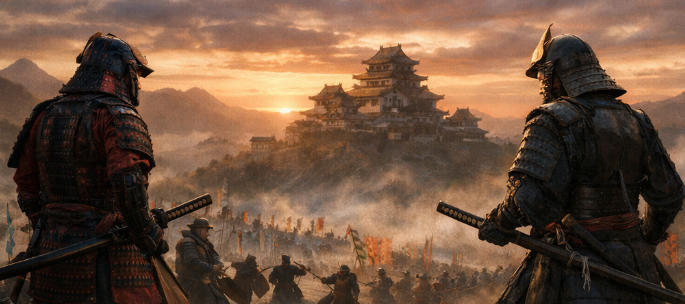
Wenn Menschen nach was ist ein Samurai suchen, versuchen sie normalerweise, die professionelle Kriegerklasse des feudalen Japans zu verstehen. Japanische Samurai waren eine einflussreiche militärische Adelsgruppe in der japanischen Geschichte, die in der Heian-Zeit entstand und sich allmählich zur herrschenden Kernklasse während des Mittelalters entwickelte. Sie waren nicht nur Krieger, sondern auch tief in die politische Verwaltung und soziale Ordnung involviert und repräsentierten eine typische Klasse von Kriegern des feudalen Japans.
Im Laufe der Entwicklung der Samurai-Geschichte Japans entwickelten sich die Samurai von lokalen bewaffneten Vollstreckern zu wesentlichen Säulen der nationalen Struktur. Sie dienten unter Daimyōs und Shōgunen, kombinierten militärische Macht mit administrativer Autorität und wurden zu einer wichtigen Brücke zwischen Herrschern und dem einfachen Volk.
Auf spiritueller Ebene folgten Japanische Samurai streng dem Bushidō-Kodex, einem Verhaltens- und Ethiksystem, das weit über Schlachtfeldregeln hinausging. Es repräsentierte eine vollständige Lebensphilosophie, die Selbstdisziplin, Verantwortung und moralisches Verhalten betonte. Von Samurai wurde erwartet, in allen Situationen ruhig und beherrscht zu bleiben, selbst bei Entscheidungen über Leben und Tod, und stets Ehre und Pflicht Vorrang einzuräumen.
Die Kernwerte des Samurai-Geistes umfassen:
- Loyalität und Verantwortung: absoluter Gehorsam gegenüber ihrem Herrn
- Mut und Ehre: Würde im Kampf und Leben verteidigen
- Selbstdisziplin und Zurückhaltung: Emotionen und Begierden kontrollieren
- Balance von Pflicht und Loyalität: Harmonie zwischen persönlichen Gefühlen und sozialen Verpflichtungen aufrechterhalten
Darüber hinaus wurden Samurai innerhalb der japanischen Samurai-Kultur als Symbole sowohl literarischer als auch kriegerischer Exzellenz angesehen. Sie wurden nicht nur im Schwertkampf (wie der Verwendung des Katana-Schwerts der Samurai) ausgebildet, sondern auch in Literatur, Etikette und strategischem Denken.
Daher ist die wahre Antwort auf „Was ist ein Samurai“ nicht einfach „ein Krieger“, sondern eine historische Identität, die militärische Rolle, soziale Funktion und spirituelle Philosophie vereint. Samurai repräsentieren die ultimative Einheit von Disziplin, Ehre und Verantwortung und prägten die sozialen Werte Japans tiefgreifend.

Ursprünge und Entwicklung der Samurai-Geschichte Japans
Bildung der Samurai-Klasse
In der frühen japanischen Samurai-Kultur stellten lokale Aristokraten bewaffnete Gefolgsleute ein, um Land und Eigentum zu schützen. Im Laufe der Zeit entwickelten sich diese Gruppen zu professionellen Kriegern.
Bis zum 12. Jahrhundert, während des Genpei-Krieges, traten die Samurai in den Vordergrund und etablierten die erste von Samurai geführte Regierung. Dies markierte den Beginn des Systems der Krieger des feudalen Japans.
Das Goldene Zeitalter der Samurai
Während der Kamakura-, Muromachi- und Tokugawa-Perioden wurden die japanischen Samurai zur dominierenden Gesellschaftsschicht. Sie waren nicht nur für die Kriegsführung verantwortlich, sondern auch für:
- Lokale Verwaltung
- Steuerverwaltung
- Strafverfolgung
Diese Ära repräsentiert die stabilste und reifste Phase der Samurai-Geschichte Japans.
Samurai-Waffen und Kampfmethoden
In den Samurai-Fakten ist die ikonischste Waffe das Katana-Schwert der Samurai, das die Samurai-Identität symbolisiert. Bekannt für seine gebogene, einschneidige Klinge, schnelles Ziehen und präzise Schnittfähigkeit, wird es oft als Verkörperung des Samurai-Geistes angesehen.
Doch echte japanische Samurai-Waffen waren weitaus vielfältiger als nur Schwerter. Samurai verwendeten ein mehrschichtiges Waffensystem, das an Entfernung und Schlachtfeldbedingungen angepasst war.
Häufiges Samurai-Waffensystem
- Tachi: ein früheres primäres Schwert, das für den Kavallerie-Kampf verwendet wurde und Mobilität und Hiebkraft betonte
- Yumi (Bogen): galt als die „Seele des Samurai“, wurde für den Fernkampf vor dem Nahkampf eingesetzt
- Yari (Speer): wurde während der Sengoku-Zeit zur Kernwaffe der Infanterie, ideal für den Formationskampf
- Teppo (Feuerwaffen): im 16. Jahrhundert eingeführt, veränderte die Taktik auf dem Schlachtfeld drastisch
- Tanto (Dolch): Backup-Waffe für den Nahkampf oder die Notverteidigung
Kampfstrategie und Taktik
In echten Schlachten verließen sich japanische Samurai nicht nur auf Schwertduelle. Stattdessen verwendeten sie ein mehrstufiges Kampfsystem:
- Fernbereich: Bogenschützenunterdrückung und Formationsstörung
- Mittelbereich: Speerformationen und defensives Drängen
- Nahkampf: Tachi- oder Katana-Schwert der Samurai-Kampf
- Extreme Situationen: Tantō zur Notverteidigung
Dies demonstriert die strategische Tiefe der japanischen Samurai-Waffensysteme.
Kampfphilosophie: Geschwindigkeit, Präzision und Disziplin
Im Gegensatz zu westlichen Rittern betonten Krieger des feudalen Japans Effizienz und Disziplin über rohe Gewalt. Samurai konzentrierten sich auf:
- Präzisionsschläge statt wilder Schwünge
- Taktische Koordination statt individuellen Heldentums
- Schnelle Entscheidungsfindung und Ausführung
Waffen und Samurai-Identität
In den Samurai-Fakten waren Waffen nicht nur Kriegswerkzeuge, sondern auch Symbole der Identität. Insbesondere das Katana-Schwert der Samurai galt als Teil der Samurai-Seele und repräsentierte Loyalität, Ehre und sozialen Status.
Bushidō-Kodex (Samurai-Ehrenkodex)
Im Kern der japanischen Samurai-Kultur liegt der Bushidō-Kodex, das ethische Fundament des Samurai-Lebens.
Seine Werte umfassen:
- Rechtschaffenheit (Gerechtigkeit und Pflicht)
- Mut
- Wohlwollen
- Respekt
- Ehrlichkeit
- Ehre
Dieses System machte die japanischen Samurai nicht nur zu Kriegern, sondern zu moralischen Symbolen.
Soziale Transformation der Samurai
Als die Tokugawa-Periode Frieden brachte, trat die Samurai-Geschichte Japans in eine Übergangsphase ein. Samurai entwickelten sich allmählich von Kriegern zu:
- Bürokraten
- Administratoren
- Pädagogen
Ihre militärische Rolle nahm mit der Zeit ab.
Schließlich, während der Meiji-Restauration, endete die japanische Samurai-Ära offiziell.

Kultureller Einfluss der Samurai
Auch nach dem Verschwinden der Samurai-Klasse hat die japanische Samurai-Kultur weiterhin einen tiefgreifenden Einfluss auf die moderne Gesellschaft.
1. Samurai in Film, Anime und Medien
Samurai bleiben ikonische Figuren in:
- Samurai-Filmen (Historiendramen)
- Anime und Videospielen
- Historischen und Fantasy-Werken
In diesen Werken werden japanische Samurai oft in Rüstung und mit dem Katana-Schwert der Samurai dargestellt, wobei Ehre und Disziplin betont werden.
2. Globaler Einfluss auf die Popkultur
In der modernen Erzählkunst werden japanische Samurai dargestellt als:
- Loyale Krieger
- Meister des Schwertkampfes
- Symbole der Ehre
3. Spirituelles und kulturelles Erbe
Bushidō beeinflusst das moderne Japan weiterhin in:
- Unternehmenskultur
- Kampfsporttraining
- Bildungsphilosophie
Häufige Samurai-Fakten
Viele Samurai-Fakten werden oft missverstanden:
- Nicht alle Samurai waren reich
- Es gab weibliche Samurai (onna-bugeisha)
- Sie verwendeten nicht nur Schwerter
- Viele übten in Friedenszeiten administrative Rollen aus
Diese Fakten helfen, die Frage was ist ein Samurai besser zu beantworten.
Handgeschmiedetes japanisches Katana-Samuraischwert aus 1095 Kohlenstoffstahl mit blauer Klinge

Fazit
Japanische Samurai waren nicht nur Krieger des feudalen Japan, sondern ein komplexes System, das militärische Macht, Regierungsführung und kulturelle Philosophie vereinte.
Indem wir die Geschichte der Samurai in Japan und den Bushido-Kodex verstehen, gewinnen wir einen tieferen Einblick in die feudale Struktur Japans und wie die japanische Samurai-Kultur die moderne Welt weiterhin prägt.

