


Handcrafted Samurai Armor Replica: Traditional Japanese Armor Guide
- von COOLKATANA
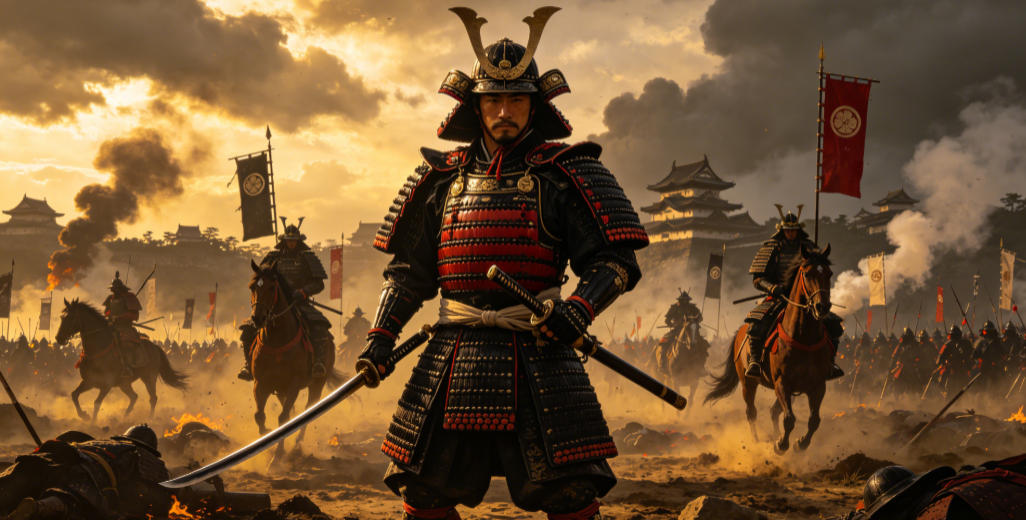
What Makes Traditional Samurai Armor a Symbol of Japanese Warrior Heritage?
Creating handcrafted samurai armor was an extremely complex process. A single armor set required cooperation between different craftsmen, including metalworkers, leather artisans, lacquer specialists, and textile makers.
Unlike European knight armor, which often relied on large metal plates, traditional Japanese armor used hundreds of small connected pieces called “kozane.” These small plates were made from iron or hardened leather and connected with silk cords.
This structure created several advantages:
- Flexible movement during combat
- Reduced weight compared with solid metal armor
- Protection against arrows and blades
- Beautiful decorative patterns
The production of traditional armor could take months or even longer because every component required careful preparation. Some high-quality armor sets used thousands of individual plates connected through complicated lacing techniques.
The Meaning Behind Every Part of Samurai Armor
A complete Japanese samurai armor set was not just a collection of protective parts. Each element had a practical purpose and cultural meaning.
Kabuto: The Symbolic Samurai Helmet
The helmet was one of the most important parts of the armor.
The armor helmet often displayed:
- Clan symbols
- Animal designs
- Horn decorations
- Mythical creatures
- Religious symbols
Famous warriors such as Date Masamune became known for their iconic helmets. Date’s crescent moon helmet became a symbol recognized throughout Japanese history.
A samurai’s helmet was designed not only to protect the head but also to create a powerful presence on the battlefield.
Shoulder Armor
The shoulder armor of Japanese warriors was designed differently from European armor.
Large shoulder guards, known as sode, protected the upper body while allowing movement for archery and sword combat.
Unlike heavy European shoulder protection, Japanese designs focused on flexibility and balance.
Chest Armor
The chest section protected the most important part of the warrior’s body.
Craftsmen often decorated the chest armor with:
- Family crests
- Religious images
- Natural patterns
- Lacquer finishes
This turned functional equipment into a form of wearable art.

Traditional Samurai Armor: The Craftsmanship and Spirit of Japanese Warriors
Traditional samurai armor represents centuries of Japanese history, craftsmanship, and the warrior philosophy of the samurai class. Unlike ordinary protective equipment, traditional armor was carefully designed to protect warriors while expressing their identity, honor, and loyalty to their clans.
The creation of traditional samurai armor required highly skilled craftsmen who mastered metalworking, leather processing, lacquer techniques, and traditional Japanese decoration. Each component, from the iconic armor helmet (Kabuto) and chest protection to the detailed shoulder armor, was handcrafted with precision and purpose.
For ancient warriors, samurai armor was more than battlefield protection. The armor of a samurai represented social status, family heritage, and the values of Bushido—the code of honor followed by Japanese warriors. Clan symbols, colors, and helmet designs often revealed the warrior’s background and beliefs.
Compared with European styles such as knight armor and medieval armor, traditional Japanese armor focused on flexibility, mobility, and artistic expression. While European knights relied on heavier metal protection, Japanese samurai armor used layered construction and carefully connected armor plates to allow warriors to move quickly during sword fighting and archery.
Today, traditional samurai armor continues to attract collectors, historians, and Japanese culture enthusiasts worldwide. Whether displayed as a historical collection, used as a samurai armor replica, or appreciated as a masterpiece of craftsmanship, it preserves the legacy and spirit of Japan’s legendary warriors.
Handcrafted Japanese Samurai Armor vs Medieval Armor
Different civilizations created armor based on their own battlefield conditions.
Japanese Samurai Armor
Traditional Japanese samurai armor emphasized:
- Mobility
- Flexibility
- Symbolism
- Craftsmanship
- Warrior identity
Samurai warriors needed armor that allowed them to fight with swords, bows, and spears.
Knight Armor and Medieval Armor
European knight armor developed differently.
During the medieval period, European knights gradually moved toward heavier metal protection. Full plate designs became popular because they offered strong defense against swords, arrows, and powerful weapons.
Compared with Japanese armor:
Knight armor
- Heavier construction
- Larger metal plates
- Strong battlefield protection
Japanese samurai armor
- More flexible structure
- Layered construction
- Strong cultural symbolism
Both represent the highest achievements of their respective warrior traditions.
Samurai Armor and Viking Armor: Two Warrior Cultures Compared
Another famous warrior tradition is viking armor.
Viking warriors from Scandinavia commonly used:
- Shields
- Helmets
- Leather protection
- Chain-based armor
Compared with Japanese samurai armor, viking armor was generally more focused on practical battlefield survival.
The Vikings fought in raids, naval battles, and close combat, while samurai warfare often emphasized archery, swordsmanship, and clan warfare.
Although their armor styles were different, both cultures shared similar values:
- Courage
- Loyalty
- Warrior reputation
- Respect for combat skills

The Evolution of Samurai Armor Through Japanese History
Samurai armor continued changing as warfare evolved.
During the Sengoku period (1467–1615), constant warfare between competing clans created demand for more practical armor designs.
Famous warriors such as:
- Oda Nobunaga
- Toyotomi Hideyoshi
- Tokugawa Ieyasu
used advanced armor designs that reflected their power and military status.
When firearms arrived in Japan in 1543, traditional armor makers adapted again. New armor styles called tosei gusoku appeared, using stronger iron plates to provide better protection against firearms.
Later, during the peaceful Edo period, armor became less important as battlefield equipment and more important as a symbol of samurai status, family heritage, and ceremony.
Handcrafted Samurai Armor in Modern Collections
Today, handcrafted Japanese samurai armor continues to inspire people worldwide.
Collectors search for:
- Historical armor replicas
- Museum-style displays
- Japanese warrior collections
- Traditional craftsmanship pieces
A carefully made samurai armor replica represents more than decoration. It preserves the skills of ancient craftsmen and keeps the stories of samurai warriors alive.
Many collectors display these armor pieces in homes, exhibitions, museums, and cultural events.
A handcrafted armor set allows people to experience the beauty of Japanese history and understand the values behind the samurai tradition.
Handmade Black And Red Japanese Samurai Armor Set - Life Size Yoroi

Why Handcrafted Japanese Samurai Armor Remains Timeless
The popularity of handcrafted Japanese Samurai Armor continues because it combines three elements:
History — representing centuries of Japanese warrior culture.
Craftsmanship — showing the skill of traditional armor makers.
Symbolism — preserving the honor and identity of the samurai.
Compared with knight armor, medieval armor, and viking armor, Japanese armor stands apart because it is not only a weapon of defense but also a masterpiece of cultural expression.
From the detailed armor helmet to the carefully connected armor plates, every handcrafted piece tells the story of Japan’s legendary warriors.
For collectors, historians, and anyone fascinated by samurai culture, traditional Japanese samurai armor remains a timeless symbol of strength, discipline, and craftsmanship.

