

Was ist ein zweischneidiges Schwert? Bedeutung, Geschichte und Arten erklärt
- von COOLKATANA
Was ist ein zweischneidiges Schwert und warum bedeutet es sowohl gut als auch schlecht?
In der Welt der kalten Waffen, des Waffensammelns, der Film- und Anime-Kultur sowie des modernen englischen Sprachgebrauchs suchen viele Menschen nach:
Wie wird ein beidseitig geschliffenes Schwert genannt?
Bedeutung von „double edged sword“
Definition von „double edged sword“
Was ist ein zweischneidiges Schwert?
Auf den ersten Blick scheint dies eine einfache Frage zu sein. Aber die Antwort ist weitaus komplexer.
Ein „beidseitig geschliffenes Schwert“ ist nicht nur ein echtes Waffendesign, das seit Tausenden von Jahren existiert, sondern auch ein Konzept, das Geschichte, Kriegsführung, Literatur und moderne Internetkultur miteinander verbindet. Es tauchte in europäischen Ritterschlachten, alten chinesischen Schwertsystemen, frühen japanischen Schwertern sowie in modernen Anime, Spielen und Filmen auf.
Gleichzeitig ist das zweischneidige Schwert zu einer der am weitesten verbreiteten metaphorischen Ausdrücke im Englischen geworden.
Was genau ist also ein zweischneidiges Schwert? Warum bevorzugten alte Zivilisationen diese Struktur? Wie unterscheidet es sich von einem Katana? Und warum symbolisiert es etwas, das sowohl Vorteile als auch Risiken mit sich bringt?
Lassen Sie es uns aufschlüsseln.
Wie wird ein beidseitig geschliffenes Schwert genannt?
Streng genommen bezieht sich der Begriff beidseitig geschliffenes Schwert normalerweise auf:
Zweischneidiges Schwert
Andere gängige Varianten sind:
- double edge sword
- two-edged sword
- dual-edge sword
- double-sided blade
- double blade sword
Die Kern definition ist einfach:
Ein Schwert, dessen beide Kanten entlang der Klinge geschliffen sind.
Im Vergleich zu einer einschneidigen Waffe hat es zwei Schneiden.
Das bedeutet:
Sie können angreifen, während Sie sich vorwärts bewegen.
Sie können auch angreifen, während Sie die Klinge zurückziehen.
Es ist nicht nötig, die Waffe ständig zu drehen, wie bei einschneidigen Schwertern.
Dies ermöglicht flüssigere und kontinuierlichere Kampfbewegungen, was einer der Hauptgründe ist, warum viele alte Armeen zweischneidige Schwertdesigns verwendeten.

Definition eines zweischneidigen Schwertes
Zur Definition eines zweischneidigen Schwertes:
Ein zweischneidiges Schwert ist eine Klingenwaffe mit zwei geschliffenen Kanten, meist symmetrisch gestaltet, die zum Schneiden, Stoßen und für kontinuierliche Kampfbewegungen geeignet ist.
In der historischen Waffenklassifikation weist es typischerweise folgende Merkmale auf:
- Geschliffene Kanten auf beiden Seiten
- Symmetrische Klingenstruktur
- Scharfe, spitz zulaufende Spitze
- Starke Stoßfähigkeit
- Ausgewogene Gewichtsverteilung
- Multidirektionales Angriffspotenzial
Viele berühmte Waffen fallen in diese Kategorie:
- Langschwert (europäisches Langschwert)
- Arming sword
- Jian (chinesisches gerades Schwert)
- Gladius (römisches Kurzschwert)
- Ken (altes japanisches Schwert)
Daher ist das zweischneidige Schwert keine einzelne Waffenart, sondern ein strukturelles Designsystem.
Bedeutung des zweischneidigen Schwertes
In Wirklichkeit ist es eine physische Waffe.
Im modernen Englisch ist es jedoch zu einer Metapher geworden.
Bedeutung des zweischneidigen Schwertes:
Etwas, das gleichzeitig Vorteile und Nachteile mit sich bringt.
Einfach ausgedrückt:
Vorteile und Risiken koexistieren.
Zum Beispiel:
- Künstliche Intelligenz ist ein zweischneidiges Schwert.
- Soziale Medien sind ein zweischneidiges Schwert.
- Erfolg kann ein zweischneidiges Schwert sein.
Die Idee ist leicht zu verstehen:
Ein zweischneidiges Schwert schneidet auf beiden Seiten.
Es kann Feinden schaden, aber auch dem Benutzer, wenn es unvorsichtig gehandhabt wird.
Deshalb entwickelte sich der Ausdruck zu einer weit verbreiteten Redewendung, die alles beschreibt, was sowohl positive als auch negative Folgen hat.
Warum entstanden zweischneidige Schwerter?
Die Waffenentwicklung in der Antike ging nicht darum, „schärfere Klingen zu machen“, sondern um Kampfeffizienz.
Das Ziel war das Überleben auf dem Schlachtfeld.
Eine zweischneidige Schwertstruktur verbessert die kontinuierliche Angriffsfähigkeit.
In realen Kampfsituationen bleibt oft keine Zeit, die Haltung nach einem fehlgeschlagenen Schlag neu auszurichten.
Eine zweischneidige Klinge ermöglicht:
Schnelleres Wechseln der Angriffsrichtungen.
Dies erhöht die Überlebenschancen.
Deshalb entwickelten mehrere Zivilisationen unabhängig voneinander zweischneidige Schwertwaffen.
Wesentliche Vorteile von zweischneidigen Schwertern
1. Stärkere kontinuierliche Angriffe
Einschneidige Waffen erfordern oft eine Neupositionierung nach jedem Schlag.
Zweischneidige Schwertdesigns ermöglichen sofortige Folgetreffer ohne Neuorientierung.
Dies beschleunigt den Kampfablauf erheblich, insbesondere im Nahkampf.
2. Ausgezeichnete Stoßfähigkeit
Die meisten zweischneidigen Schwerter sind symmetrisch ausbalanciert.
Das bedeutet, die Kraft konzentriert sich natürlich an der Spitze, was die Stoßkraft verbessert.
Im gepanzerten Kampf war die Durchdringungsfähigkeit äußerst wichtig, weshalb mittelalterliche Ritter oft zweischneidige Schwerter verwendeten.
3. Bessere Balance und Kontrolle
Da beide Seiten gleichmäßig gewichtet sind:
- Die Stabilität wird verbessert
- Die Kontrolle wird einfacher
- Richtungswechsel sind schneller
Dies macht sie ideal für strukturierte Schwertkampftechniken.
4. Geeignet für komplexe Techniken
Schwerttechniken umfassen oft:
- Schneiden
- Stoßen
- Ablenken
- Parieren
- Winkelwechsel
Ein zweischneidiges Schwertdesign unterstützt eine größere Bandbreite an Bewegungen und Übergängen.

Berühmte zweischneidige Schwerter in der Geschichte
Verschiedene Zivilisationen entwickelten unabhängig voneinander zweischneidige Schwertwaffen.
Hier sind die repräsentativsten Beispiele.
Europäisches Langschwert
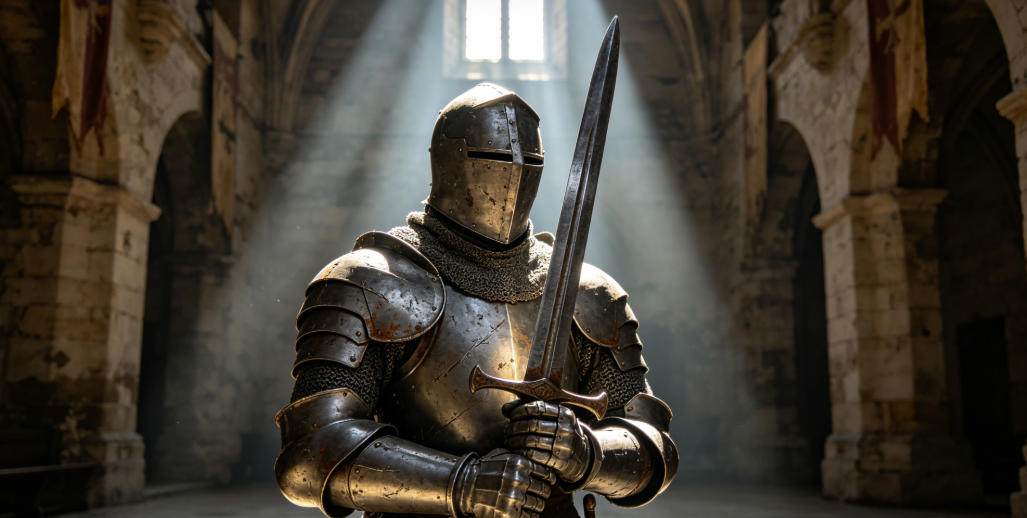
Das europäische Langschwert ist vielleicht das ikonischste zweischneidige Schwert.
Merkmale:
- Zweischneidige Klinge
- Parier
- Zweihändige Griffführung
- Länge um 100–130 cm
Es wurde im mittelalterlichen europäischen Kriegswesen weit verbreitet.
Es kombiniert Hieb-, Stoß-, Halbschwerttechniken und Anwendungen im gepanzerten Kampf.
Es ist auch eine Kernwaffe in modernen HEMA (Historische Europäische Kampfkünste).
Römischer Gladius
Das berühmte Kurzschwert der römischen Legionen.
Obwohl kürzer, war es im Stoßkampf äußerst effektiv.
Merkmale:
- zweischneidige Klinge
- Leichtbauweise
- Ideal für enge Formationen
Viele Historiker glauben, dass der Gladius eine Schlüsselrolle in der römischen Militärherrschaft spielte.
Chinesisches Jian
Das chinesische Jian ist eines der ikonischsten östlichen zweischneidigen Schwerter.
Es wird oft genannt:
'Der Gentleman der Waffen'
Merkmale:
- Gerade Klinge
- Zweischneidige Struktur
- Leichtes und agiles Design
Die chinesischen Kampfkünste betonen Geschwindigkeit, Rhythmus und Präzision über rohe Gewalt.
Japanisches Ken
Viele Leute gehen davon aus, dass Japan nur das Katana verwendet hat.
Die frühere japanische Geschichte umfasste jedoch das Ken (剣).
Es ist ein gerades, zweischneidiges Schwert, das vom chinesischen Schwertdesign beeinflusst wurde.
Merkmale:
- Gerade Klinge
- Zweischneidige Struktur
- Oft für zeremonielle Zwecke verwendet
Deshalb beziehen sich Suchen wie „zweischneidiges Katana“ normalerweise auf das Ken.
Zweischneidiges Schwert vs. Katana
Dies ist einer der meistgesuchten Vergleiche.
| Merkmal | Zweischneidiges Schwert | Katana |
|---|---|---|
| Klinge | zweischneidig | Einschneidig |
| Form | Gerade (meistens) | Gekrümmt |
| Spitze | Symmetrisch | Asymmetrisch |
| Kampfstil | Stoß + Hieb | Zugschnitt |
| Balance | Zentral | Vorderlastig |
| Stärke | Vielseitigkeit | Explosives Schneiden |
Das Katana zeichnet sich durch schnelle, kraftvolle Hiebe aus.
Das zweischneidige Schwert zeichnet sich durch Vielseitigkeit und Anpassungsfähigkeit aus.
Es gibt keine absolute Überlegenheit – nur unterschiedliche Anwendungsfälle.
Zweischneidige Schwerter in Spielen und Popkultur
In den letzten Jahren sind zweischneidige Schwertdesigns in Anime, Spielen und Filmen extrem populär geworden.
Gängige Schlagworte sind:
- anime Schwert Replik
- Fantasy zweischneidiges Schwert
- RPG Waffe Schwert
- mittelalterliches Ritterschwert
- magische Klingenwaffe
Der Grund ist einfach:
Optisch wirken zweischneidige Schwerter ausgewogen, scharf und kraftvoll.
Sie passen perfekt zum Archetyp der „Heldenwaffe“.
Sind zweischneidige Schwerter gut zum Sammeln?
Moderne sammelbare zweischneidige Schwerter verwenden oft Materialien wie:
- T10 Stahl
- Damaststahl
- 1095 Kohlenstoffstahl
- 1060 Stahl
- Gefalteter Stahl
Beliebte Sammelkategorien umfassen:
Europäische Ritterschwerter
Für Geschichtsliebhaber.
Chinesisches Jian
Für Kampfkunstsammler.
Fantasy-Zweischneidige Schwerter
Für Anime- und Gaming-Fans.
Ken-Stil Japanische Schwerter
Für Sammler japanischer Kultur.
Wichtige Faktoren beim Sammeln:
- Volle Angelkonstruktion
- Qualität der Wärmebehandlung
- Stahlleistung
- Schmiedehandwerk
- Schwerpunkt-Design
Diese sind wichtiger als nur das Aussehen.
Warum das „zweischneidige Schwert“ zu einem kulturellen Symbol wurde
In Wirklichkeit repräsentiert ein zweischneidiges Schwert:
Größere Macht, aber auch größere Gefahr.
Es kann Feinden schaden, aber auch dem Benutzer.
Deshalb entwickelte es sich zu einer Metapher für:
- Macht
- Technologie
- Reichtum
- Ruhm
- Einfluss
Heute kann alles, was sowohl Vorteile als auch Risiken hat, als zweischneidiges Schwert bezeichnet werden.
Deshalb ist der Suchbegriff double edged sword meaning weiterhin sehr beliebt.
Braveheart Wallace Schwert Europäisches Schwert 1095 Kohlenstoffstahl 39"

Fazit
Wenn jemand fragt:
Wie wird ein beidseitig geschliffenes Schwert genannt?
Die Antwort ist normalerweise:
Zweischneidiges Schwert
Aber es ist mehr als nur ein Waffendesign.
Es repräsentiert antike Kampftechnik, die historische Entwicklung der Kriegsführung und eine mächtige moderne Metapher.
Von europäischen Langschwertern und chinesischen Jian bis hin zu Anime-Fantasy-Klingen repräsentiert das zweischneidige Schwert immer dieselbe Idee:
Je größer die Macht, desto größer die Verantwortung und das Risiko.

