


Was ist Damaststahl? Aufbau, Muster & Eigenschaften erklärt
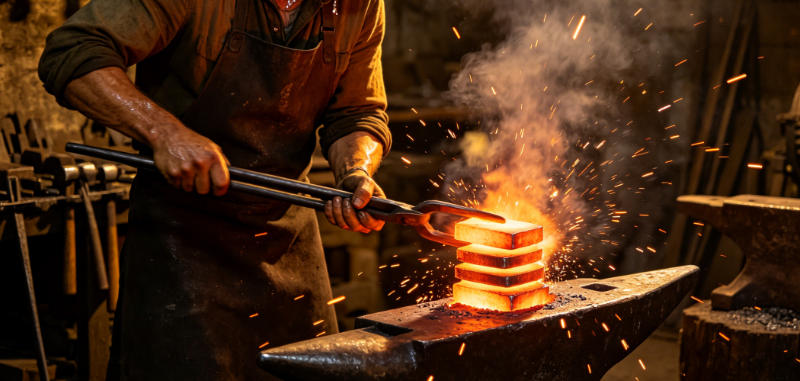
Was ist Damaszener Stahl und warum hat jede Klinge ein einzigartiges Muster?
Im Bereich der modernen Messertechnik, der metallurgischen Wissenschaft und des Sammelns hochwertiger Kaltwaffen war Damaszener Stahl schon immer eines der bekanntesten und meistdiskutierten Materialien. Ob in hochwertigen Küchenmessern, taktischen Messern, Samuraischwertern oder individuell gefertigten Sammlerklingen, Damaszener Stahl zieht durch seine einzigartigen Schichtmuster und komplexen Schmiedeprozesse die Aufmerksamkeit auf sich.
Wenn Menschen nach 'was ist Damaszener Stahl' suchen, fragen sie oft nicht nur, 'was für ein Stahl das ist', sondern erforschen die Materialstruktur, metallurgischen Prinzipien und die Handwerkskunst dahinter.
Dieser Artikel bietet eine umfassende Analyse von Damaszener Stahl, die seine metallurgische Struktur, historische Entwicklung, moderne Herstellungstechniken, Musterbildungsmechanismen, mechanische Eigenschaften und Anwendungsbereiche abdeckt.
1. Was ist Damaszener Stahl?
Aus moderner werkstoffwissenschaftlicher Sicht bezeichnet Damaszener Stahl typischerweise einen Verbundstahl, der durch Schichtung und Schmieden mehrerer Stahlarten (Muster-Schweißen) gebildet wird. Es handelt sich nicht um ein einzelnes Metall, sondern um ein geschichtetes Material, das durch die Kombination von Stählen mit unterschiedlichem Kohlenstoffgehalt oder Legierungszusammensetzungen hergestellt wird, die unter hoher Hitze und Druck zusammen geschmiedet und wiederholt bearbeitet werden, um eine geschichtete metallische Struktur zu erzeugen.
In der modernen Messerindustrie und auf dem Sammlermarkt bezieht sich die Suche nach 'was ist Damaszener Stahl' in der Regel auf diesen zeitgenössischen 'gemustergeschweißten' Damaszener Stahl, der Funktionalität und Kunstfertigkeit vereint und ihn zu einem der ikonischsten Materialien für High-End-Klingen macht.
Schlüsseleigenschaften:
- Abwechselnde Schichten von Stählen mit unterschiedlichem Kohlenstoffgehalt
- Wiederholtes Falten und Schmieden zur Erzeugung einer geschichteten Struktur
- Oberflächenmuster, das durch Ätzen mit Säure, Korrosion oder Polieren sichtbar wird
- Jede fertige Klinge hat ein einzigartiges, nicht reproduzierbares Muster
- Muster können als wellige, flammenartige oder verdrehte Wirbel erscheinen
Ein tieferes strukturelles Verständnis
Damaszener Stahl kann als zusammengesetzte Metallstruktur verstanden werden. Verschiedene Stähle tragen unterschiedliche Eigenschaften bei:
- Kohlenstoffreicher Stahl sorgt für Härte und Schärfe
- Kohlenstoffarmer oder legierter Stahl sorgt für Zähigkeit und Schlagfestigkeit
Durch das abwechselnde Schichten dieser Stähle erreicht Damaszener Stahl eine ausgewogene Kombination aus Härte und Zähigkeit. Auf mikroskopischer Ebene wird die geschichtete Verteilung nach dem Schleifen und Ätzen mit Säure deutlich sichtbar und erzeugt das charakteristische gemusterte Aussehen.

2. Historischer "echter Damaszener Stahl" vs. moderne Missverständnisse
Historisch gesehen stammt Damaszener Stahl aus dem Nahen Osten (verbunden mit dem Handelszentrum Damaskus), aber sein wahrer Ursprung liegt wahrscheinlich eher im indischen und sri-lankischen Wootz-Stahl.
1. Antiker Damaszener Stahl (Wootz-Stahl)
Merkmale der antiken Version:
- Hochkohlenstoffhaltiger Tiegelstahl
- Natürlich entstandene Karbid-Mikrostrukturen
- Wasserähnliche Oberflächenmuster
- Außergewöhnliches Gleichgewicht von Schärfe und Zähigkeit
Es wurde im Mittelalter weit verbreitet verwendet für:
- Krummsäbel
- Hochwertige Waffen
- Edelmannschwerter
Die ursprünglichen Wootz-basierten Herstellungstechniken für Damaszener Stahl sind jedoch verloren gegangen und können heute nicht vollständig reproduziert werden.
2. Moderner "Damaszener Stahl" (gemusterter Schweißstahl)
Moderner Damaszener Stahl ist:
- Aus geschichteten Stählen geschmiedet
- Künstlich gesteuert, um Muster zu erzeugen
- Muster wird durch chemische Ätzung sichtbar
Es handelt sich also um einen strukturell simulierten Damaszener Stahl, anstatt einer vollständigen Replikation antiker metallurgischer Techniken.
3. Warum hat jede Damaszener Klinge ein einzigartiges Muster?
Dies ist das prägendste Merkmal von Damaszener Stahl und die Quelle seines Wertes.
1. Unregelmäßigkeiten in der mehrschichtigen Metallstruktur
Jede Stahlschicht durchläuft während des Schmiedens mikroskopische Veränderungen, darunter:
- Unterschiede in der Kohlenstoffdiffusion
- Kornverformung
- Ungleichmäßige Wärmebehandlung
Diese Faktoren zusammen bestimmen das endgültige Muster auf der Klinge.
2. Variabilität im Schmiedeprozess
Wichtige Variablen, die Muster beeinflussen, sind:
- Anzahl der Faltzyklen
- Hammerkraft und -richtung
- Kontrolle der Heiztemperatur
- Verhältnis der verschiedenen Stähle
Zum Beispiel: eine Damaszener Klinge mit 10 Schichten im Vergleich zu einer Klinge mit 300 Schichten zeigt völlig unterschiedliche visuelle Strukturen.
3. Säureätzung zur Musterbildung
Nach der Formgebung bringt das Säureätzen das Muster zum Vorschein:
- Kohlenstoffreicher Stahl korrodiert langsamer → hellere Farbe
- Kohlenstoffarmer Stahl korrodiert schneller → dunklere Farbe
Dies erzeugt einen starken Kontrast und ausgeprägte Muster, wie zum Beispiel:
- Wellenmuster
- Flammenmuster
- Gedrehtes Wirbelmuster

4. Metallurgische Struktur und Leistungsmerkmale
Aus werkstoffwissenschaftlicher und metallurgisch-technischer Sicht ist Damaszener Stahl nicht nur ein dekorativer Musterstahl; er ist ein strukturierter Verbundwerkstoff. Diese geschichtete Struktur bietet im Vergleich zu homogenen Stählen deutliche Vorteile in Bezug auf mechanische Leistung, Bruchverhalten und Schnitthaltigkeit.
1. Festigkeit-Zähigkeit-Balance
Einer der zentralen technischen Werte von Damaszener Stahl ist die komplementäre Leistung durch geschichtete Stahlkombinationen.
- Kohlenstoffreiche Stahlschichten bieten Härte und eine feine, scharfe Schneide
- Kohlenstoffarme oder zähe Schichten bieten Duktilität und Schlagfestigkeit
Diese "hart + zäh"-Kombination verhindert Sprödigkeit und erhält gleichzeitig die Schärfe, wodurch eine dynamische Gleichgewichtsstruktur entsteht, ähnlich modernen funktional graduierten Verbundwerkstoffen.
2. Rissbeständigkeit
In homogenem Stahl können sich Mikrorisse schnell ausbreiten und zu Brüchen führen.
In der geschichteten Struktur von Damaszener Stahl:
- Materialgrenzflächen wirken als Barrieren für die Rissausbreitung
- Risse werden abgelenkt und Energie über die Schichten abgebaut
- Die Gesamtrissrate wird reduziert
Dies ist im Wesentlichen Rissabstumpfung und Energiedissipation, die die strukturelle Stabilität und Sicherheit erhöht.
3. Schnitthaltigkeit
Die Schneide der Klinge profitiert primär von den kohlenstoffreichen Schichten:
- Ermöglicht schärfere Schneidenwinkel
- Reduziert Verformungen bei wiederholtem Schneiden
- Verlängert die Schnitthaltigkeit
Die geschichtete Struktur hilft auch, Spannungen entlang der Schneide zu verteilen, was das Abstumpfen verlangsamt, obwohl die Leistung stark von der Stahlkombination und der Wärmebehandlung abhängt und nicht nur von der Schichtanzahl.
4. Strukturelle Stabilität und Haltbarkeit
- Geschichteter Stahl bildet eine mikroskopische Verbundstützstruktur
- Spannungen werden unter Biegung oder Stoß gleichmäßig verteilt
- Lokale Schäden breiten sich nicht schnell aus
Durch die richtige Wärmebehandlung und das Schmieden kann Damaszener Stahl ein breites Leistungsfenster von Festigkeit vs. Zähigkeit erreichen, das für verschiedene Klingenanwendungen geeignet ist.
5. Integration von Ästhetik, Technik und Sammlerwert
Damaszener Stahl erfüllt auf einzigartige Weise die Anforderungen an technische Leistung und künstlerischen Ausdruck:
- Technik: optimierte Verbundstruktur
- Optik: geätzte Muster (gewellt / verdreht / flammenartig)
- Kultur: Symbol der verlorenen historischen Metallurgie
- Sammlerstück: jede Klinge hat ein nicht reproduzierbares Muster
Es ist daher eines der wenigen Materialien, das gleichzeitig von Ingenieuren, Messermachern und Sammlern geschätzt wird.
5. Moderne Anwendungen von Damaszener Stahl
Heute wird Damaszener Stahl häufig verwendet in:
- Hochwertigen Küchenmessern
- Taktischen und Outdoor-Messern
- Historischen Nachbildungswaffen
- Kunstmessern und Sammlerklingen
- Kundenspezifischer Klingenmarkt
Es ist zu einem Standard für "hochwertige handgefertigte Messer" in der Sammlergemeinschaft geworden.
6. Warum ist Damaszener Stahl so beliebt?
Seine weltweite Popularität beruht auf:
- Einzigartiger Optik: keine zwei Klingen sind gleich
- Komplexer Handwerkskunst: basiert auf erfahrenen Schmiedetechniken
- Historischer Mystik: legendärer verlorener Stahl der Antike
- Mischung aus Nützlichkeit und Kunst: Leistung und Sammlerwert vereint
Wenn Benutzer 'was ist Damaszener Stahl' suchen, suchen sie nach einem Material, das kombiniert:
metallurgische Technik + handwerkliche Kunst + historische Kultur
Handgeschmiedetes japanisches Samurai Katana Schwert aus Damaszener gefaltetem Stahl mit Kupfer-Schlangen-Tsuba

7. Fazit
Damaststahl ist nicht nur eine Stahlsorte; es ist ein Materialsystem, das antike Metallurgie und moderne Handwerkskunst verbindet. Von legendären nahöstlichen Metallen bis hin zu zeitgenössischen geschichteten Verbundwerkstoffen verkörpert es Schärfe, Kunstfertigkeit und ultimative Handwerkskunst.
Wenn Sie Folgendes suchen:
- 'was ist Damaststahl'
- 'Damastmesser Struktur'
- 'Bedeutung von Damaststahl'
- 'kundenspezifische Damastklinge'
dann bleibt Damaststahl eine der ikonischsten Antworten in der modernen High-End-Messerwelt.

