


Flamberga-Rappier: Renaissance-Wellenschwert der Eleganz und tödlichen Kraft
- von COOLKATANA
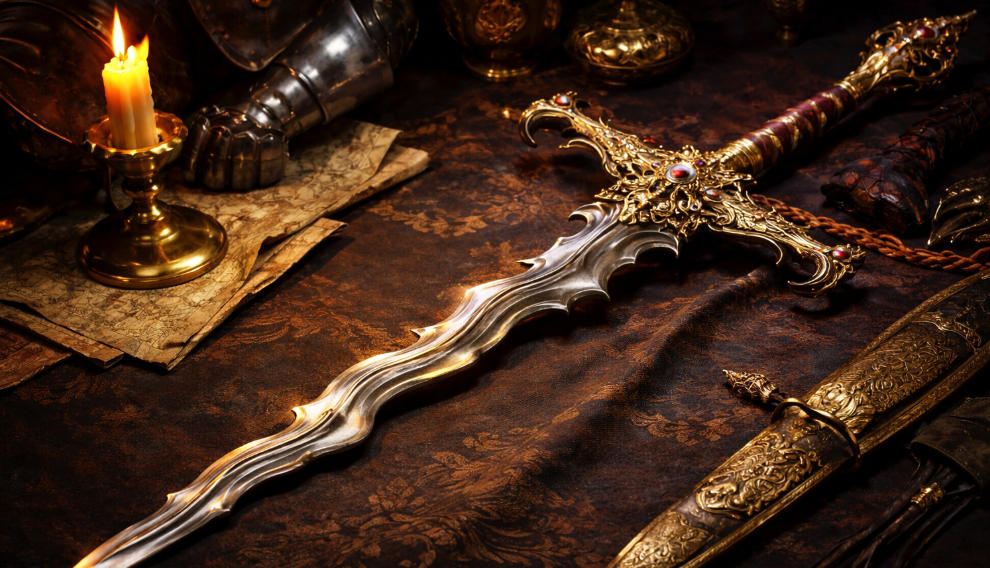
Was machte den Flamberge-Rapier zu einem tödlichen und eleganten Schwert in Renaissance-Duellen?
In der illustren Geschichte der europäischen Nahkampfwaffen symbolisierte das Rapier stets Eleganz, Präzision und edlen Status. Unter den vielen geradlinigen Rapieren sticht ein Design durch seine feurige, wellenförmige Optik hervor: das faszinierende Flamberge Rapier.
Diese einzigartig gewellte Klinge repräsentiert den Höhepunkt der Renaissance-Handwerkskunst und verbindet ästhetische Anziehungskraft mit Kampfesfunktionalität. Heute werden wir die Designgeheimnisse, physikalischen Vorteile und die einzigartige Rolle des Flamberge-Rapiers in der europäischen Duellkultur erforschen.

Was ist ein Flamberge-Rapier? Die flammenartige Verlängerung aus Stahl
Das Flamberge Rapier, oft als wellenförmiges oder schlangenförmiges Rapier bezeichnet, ist sofort an seiner wellenförmigen Klinge zu erkennen. Im Französischen wird es flambard oder flammard genannt, was „flammenartige Kante“ bedeutet. Wenn sein polierter Stahl das Licht einfängt, scheint die Klinge in der Luft zu tanzen und verleiht kaltem Metall ein Gefühl von Bewegung und tödlicher Vitalität.
1. Biomimetische Flammenästhetik
Im Gegensatz zu traditionellen geraden Rapieren, die die reine Stoßeffizienz betonen, ist das Design des Flamberge von den bedrohlichen Formen der Natur inspiriert. Seine visuelle "Instabilität" erzeugt einen subtilen, aber effektiven psychologischen Vorteil: Gegner fällt es schwer, den genauen Verlauf der Klinge vorherzusehen, was Stress und Zögern im Duell hervorruft. In einer Ära, in der Ehrenduelle und persönlicher Stil von größter Bedeutung waren, verkörperte das Flamberge sowohl militärische Funktionalität als auch künstlerisches Flair.
2. Der ultimative Test der Handwerkskunst
Aus fertigungstechnischer Sicht stellte das Flamberge den Höhepunkt der Schmiedekunst der Renaissance dar. Die Herstellung einer ausgewogenen Wellenklinge war nicht nur arbeitsintensiv, sondern erforderte auch extreme Präzision.
-
Präzises Hämmern und Formen: Schmiede mussten symmetrische Wellen formen, während der Stahl die richtige Temperatur hatte. Selbst geringfügige Abweichungen konnten das Gleichgewicht bei schnellen Schwüngen destabilisieren oder beim Aufprall zu Bruch führen.
-
Komplexe Wärmebehandlung: Bei mehreren Krümmungen entlang der Klinge war die Kontrolle der Abkühlung extrem schwierig. Jeder Gipfel und jedes Tal benötigte eine gleichmäßige Härte und Elastizität. Die Produktionsausfallrate für Flamberge-Rapiere war deutlich höher als für gerade Rapiere, was die erhaltenen Stücke zu wahren Meisterwerken macht.
3. Status- und Reichtumssymbol
Im Europa des 16. und 17. Jahrhunderts war das Flamberge nicht nur eine tödliche Waffe, sondern auch ein sichtbares Zeichen für sozialen Rang und finanzielle Macht. Die hohen Produktionskosten und die Abhängigkeit von Meisterschmieden bedeuteten, dass nur Adlige, wohlhabende Kaufleute oder prominente Söldnerführer solche Schwerter trugen.
-
Erkennungszeichen: Flamberge-Rapiere hatten oft aufwendige Parierstangen, wie Korbgeflechte oder umwickelte Griffe, die die wellenförmige Klinge ergänzten.
-
Gesellschaftlicher Mittelpunkt: Bei höfischen Anlässen oder diplomatischen Zusammenkünften signalisierte das Tragen eines Flamberge nicht nur überragende Fechtkünste, sondern auch die Mittel, die besten Schwertschmiede Europas zu beschäftigen. Es überstieg reine Gewalt und wurde zu einem mobilen, tödlichen Kunstwerk.
Durchdachtes Design hob die Funktionalität europäischer Waffen und die dekorative Kunst der Renaissance auf ein beispielloses Niveau. Es war sowohl eine dynamische „Flamme“ in der Hand eines Schwertkämpfers als auch ein Zeugnis von Handwerkskunst und Adelskultur.
Die Physik einer Wellenklinge: Über die Ästhetik hinaus
Viele Anfänger gehen davon aus, dass die Wellen des Flamberge rein dekorativ waren, aber sie dienten praktischen und physikalischen Zwecken:
-
Erhöhte Reibung und Widerstand: In Duellen kollidieren Klingen oft. Schwerter von Gegnern, die entlang der Flamberge-Wellen gleiten, erfahren mehr Widerstand, was den Fluss stört und entscheidende Millisekunden für Paraden oder Gegenangriffe bietet.
-
Vibrationsübertragung zur Verunsicherung der Gegner: Beim Aufeinandertreffen von Klingen erzeugt die Geometrie des Flamberge einzigartige Vibrationen, die zur Hand des Gegners wandern und den Griff instabil oder unangenehm machen.
-
Größeres Wundprofil: Obwohl hauptsächlich zum Stoßen gedacht, können die wellenförmigen Kanten beim Hauen wie Sägezähne wirken und breitere und schwerere Wunden verursachen als eine gerade Klinge.

Psychologische Kriegsführung auf dem Duellfeld
Duelle der Renaissance waren ebenso sehr eine Frage der mentalen Strategie wie der körperlichen Fähigkeiten. Das ungewöhnliche, aggressive Erscheinungsbild des Flamberge erzeugte eine inhärente psychologische Abschreckung. Die Gegner hatten Schwierigkeiten, die genaue Position der Klingenspitze oder den Eintrittswinkel einzuschätzen, was dem Träger oft einen entscheidenden Vorteil verschaffte. Seine aufwendige Parierstange und die auffällige, wellenförmige Kante machten es zum ultimativen Ausdruck individuellen Flairs für junge adlige Duellanten.
Historische Entwicklung und modernes Erbe
Das Flamberge markiert einen Übergang von reinen Schlachtfeld-Seitenwaffen zu zivilen Duellwaffen und Zierschwertern. Als Schusswaffen aufkamen und Rüstungen an Bedeutung verloren, wurden leichtere Rapiere, die auf Geschwindigkeit setzten, Mainstream. Das wellenförmige Design war ein kühner Versuch von Schmieden, die Effektivität im Einzelkampf durch strukturelle Innovation zu verbessern.
Heute lebt das Flamberge in der Popkultur weiter – von High-Tier-Ausrüstung in Fantasy-RPGs bis hin zu ikonischen Klingen in historischen Filmen. Für Sammler ist ein handgefertigtes Flamberge sowohl eine Hommage an die mittelalterliche europäische Handwerkskunst als auch eine Würdigung einer Ära der Duelle, Ehre und Kunstfertigkeit.
Fazit
Das Flamberge Rapier ist mehr als Stahl und Verzierung; es verkörpert das Streben der Renaissance-Menschheit nach optimaler Waffenleistung. Selbst in Instrumenten tödlicher Absicht haben die Menschen Eleganz, komplexe Physik und psychologische Einsicht vereint.
Für Liebhaber europäischer Nahkampfwaffen, der Schwertkunst oder der traditionellen Schmiedekunst offenbart die Untersuchung des Flamberge eine faszinierende Geschichte von Geschwindigkeit, Vibration und ästhetischem Erfindungsreichtum. Seine wellenförmige Kante sichert ihm einen einzigartigen und strahlenden Platz im Arsenal der menschlichen Kriegsführung.

