


Edo Period Japan: History, Samurai Culture, and Tokugawa Era Legacy
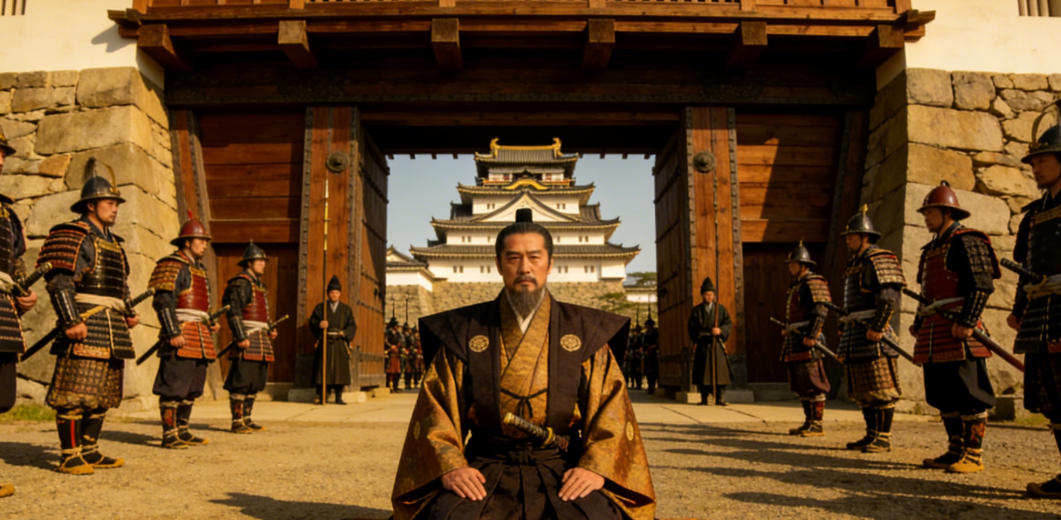
What Was the Edo Period and How Did It Shape Samurai Culture and Japanese History?
The Edo period / edo jidai is one of the most iconic periods in Japanese history and represents the core stage of the Tokugawa era. Lasting from 1603 to 1868, also known as the Edo Tokugawa period, it was a time of long-lasting peace, social restructuring, cultural prosperity, and economic development under the Shogun period governance. This era not only shaped the social structure and cultural foundation of modern Japan but also stands out as the most unique and influential among all periods of Japan with samurai.
What Was the Edo Period
The Edo period is a historically significant and unique era in Japan. It began after the unification of Japan by Toyotomi Hideyoshi and the end of the chaotic Sengoku period, when Tokugawa Ieyasu established the Tokugawa shogunate to govern the country. In 1603, Tokugawa Ieyasu was formally appointed shogun, marking the start of a stable japan shogun period. Edo (modern-day Tokyo) was designated as the capital, becoming the political, economic, and cultural center of the nation and laying the foundation for Japan’s modern capital.
Compared with the frequent wars, fragmented domains, and social upheaval of the Sengoku period, the edo era (Edo period) became a 250-year “peaceful era,” also called the edo tokugawa period. Japan achieved unprecedented national unity and social order, with political stability, growing economy, expanding towns and transportation networks, and a highly stratified social structure.
During edo period japan, the role of the samurai shifted significantly. Former battlefield elites and regional lords gradually transformed into local administrators, shogunate officials, and cultural promoters. They not only maintained social order and tax collection but also engaged in education, etiquette, and the arts. This made the Edo period the most mature and institutionalized phase of the samurai social structure among all periods of Japan with samurai.
Additionally, the peaceful environment of the edo jidai fostered urbanization and cultural development. Major cities such as Edo, Kyoto, and Osaka expanded rapidly, concentrating commercial, craft, and cultural activities. Citizens’ culture flourished, and traditional Japanese arts such as ukiyo-e, kabuki, haiku, and tea ceremony reached unprecedented heights, leaving a rich legacy for Japanese culture.
In short, the Edo period / edo era was not only a period of political, economic, and social stability in Japanese history but also a key time for the maturation of the samurai class and the flourishing of culture and arts. It laid the social order, administrative system, and cultural foundation of modern Japan, making the shogun period governance model one of the most representative and influential feudal periods in Japanese history.

Political and Social Structure of Edo Period Japan
In edo period japan, the shogunate established a highly centralized and systematic political governance structure. Through strict laws, administration, and military control, the Tokugawa shogunate achieved national unity and stability. The bakuhan system was the core political framework of this era: the central shogunate handled national policy and defense, while local daimyo managed day-to-day administration in their domains, but had to comply with shogunate authority. This system of shared power between central and regional authorities ensured long-term peace and stability in the edo tokugawa period.
To prevent local daimyo from becoming too powerful and threatening central authority, the shogunate implemented the sankin-kōtai system. Under this system, daimyo were required to reside in Edo periodically, with family members kept as hostages in Edo. This not only strengthened control over regional powers but also promoted road construction, town development, and commercial prosperity, significantly advancing the economy and urbanization of the edo jidai.
Compared with the fragmented, war-torn society of the Sengoku period, Japan under the shogun period was highly unified and orderly. Most samurai no longer engaged in frequent battles but shifted to administrative duties, academic education, etiquette training, and cultural exchange, becoming key forces in governance and social stability. This transition made the periods of Japan with samurai in Edo uniquely different from previous wartime periods: the samurai identity evolved from battlefield warriors to societal and cultural guardians.
Moreover, the strict social hierarchy of the edo era further reinforced political order: samurai, peasants, artisans, and merchants all had defined roles and status. Samurai were central to administration and local governance; peasants produced food and supported the economy; artisans focused on crafts and tools; merchants drove domestic trade and urban economic growth. This clearly stratified structure provided institutional stability for the tokugawa era and laid the foundation for cultural prosperity and social stability in Japan.
In summary, in edo period japan / edo jidai, the shogunate’s governance, sankin-kōtai system, and rigid social hierarchy created a highly organized, peaceful, and prosperous society. This era not only exemplified the shogun period power model but also demonstrated the samurai’s evolution from warriors to societal and cultural leaders, making it one of the most institutionally distinctive and culturally influential periods in Japanese history.
Sakoku and Japan’s Foreign Isolation
In the mid-Edo jidai, the shogunate implemented the famous Sakoku (closed country) policy, restricting foreign contact. Ordinary Japanese were prohibited from traveling abroad, while foreigners were allowed only limited trade in designated ports, primarily Dutch and Chinese merchants. This policy allowed Japan to remain largely self-sufficient for over two centuries while maintaining internal stability and unity.
Although this policy limited foreign influence, it fostered a unique domestic cultural development, establishing traditions and customs distinctive to edo period japan.

Cultural Flourishing and Social Life
The Edo era was a period of remarkable cultural achievement. Political stability and economic growth nurtured a variety of art forms and cultural expressions:
-
Literature and Theater: Ukiyo-e, haiku, kyogen, and kabuki matured into iconic Japanese cultural representations.
-
Urban Culture: Cities like Edo, Kyoto, and Osaka grew rapidly, creating lifestyles blending commerce, entertainment, and civic culture.
-
Philosophy and Thought: Neo-Confucianism, kokugaku, and other intellectual movements challenged traditional political ideas and fostered a sense of national cultural identity.
Even during this peaceful era, as part of the periods of Japan with samurai, the samurai continued to uphold social order and spiritual values. Bushido remained influential as the ethical code guiding samurai conduct and societal norms.
Economic and Social Transformation in the Edo Tokugawa Period
Long-term peace and stability made the edo tokugawa period a key stage for Japan’s economic, social, and cultural development and laid the foundation for modernization:
-
Economic Growth: Domestic trade and currency circulation flourished. Agricultural, craft, and urban economies prospered, creating a professionalized workforce of farmers, artisans, and merchants.
-
Currency and Market Economy: A standardized monetary system expanded the market economy. Merchants accumulated wealth and sponsored cultural endeavors like ukiyo-e, kabuki, and tea ceremonies, shaping the distinct edo period japan urban culture.
-
Urbanization: Edo became one of the world’s largest cities, with over a million residents. Kyoto, Osaka, and Nagoya also grew as commercial and cultural hubs, integrating transportation, markets, and daily life, making edo jidai society and economy more structured and modernized.
This prosperity was a direct result of political stability during the shogun period, and it enabled the samurai class to gradually transition from battlefield roles to administrative, educational, and cultural responsibilities—one of the defining features of the periods of Japan with samurai.
Decline of the Edo Period and the Meiji Restoration
Despite lasting over 250 years, the edo period / edo jidai eventually faced internal and external pressures leading to decline. In the mid-19th century, Western military and trade pressures forced Japan to end its isolationist policies. The arrival of the U.S. “Black Ships” resulted in unequal treaties, exposing weaknesses in the shogunate and spurring calls for reform.
Additionally, financial difficulties among the samurai, rising local powers, and growing intellectual and cultural awareness weakened the Tokugawa government. Many samurai lost traditional income and shifted to education, commerce, or other roles, while systemic pressures continued to accumulate.
In 1868, the Meiji Restoration ended over two centuries of tokugawa era rule, restoring imperial power and marking Japan’s transition from a feudal society to a modern nation-state. This event concluded the historical mission of the edo tokugawa period and transformed Japan from a closed, hierarchical shogun period society into a more modern and open social structure.
The decline of the Edo period was not only a political shift but also the result of cumulative economic, social, and cultural development, laying the foundation for Japan’s modernization, industrialization, and social reforms, while preserving the cultural legacy of the periods of Japan with samurai.
Historical Legacy of the Edo Period
Looking at edo period japan, it was not only a time of peace and stability but also a period of profound cultural, social, and intellectual transformation:
-
Cultural Legacy: Kabuki, ukiyo-e, waka poetry, and other art forms became emblematic of Japanese culture.
-
Institutional Influence: Social hierarchy and administrative reforms had lasting impact.
-
Foundation for Modernization: Long-term peace and economic growth paved the way for Japan’s modernization.
In conclusion, the Edo period / edo jidai is one of the most distinctive shogun periods in Japanese history. It witnessed the peak of Japan’s feudal order and left a profound imprint on the birth of modern Japan.

