


Sheath vs Scabbard: Understanding Blade Protection for Knives & Swords
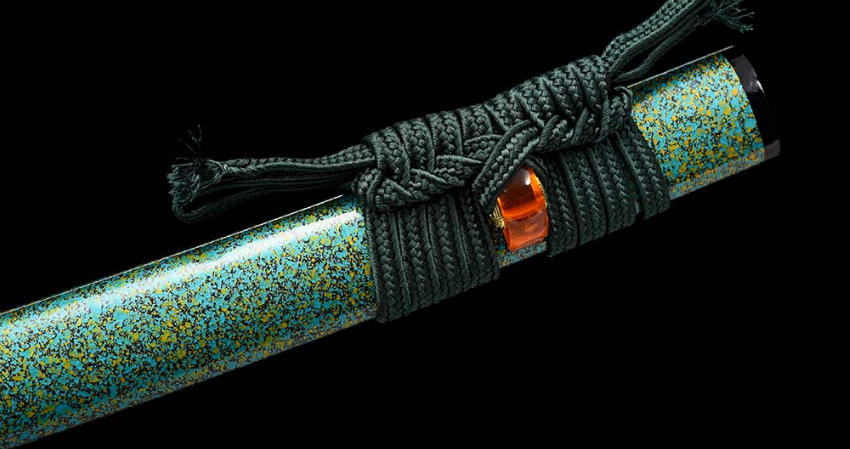
What’s the Difference Between a Sheath and a Scabbard, and Why Does It Matter?
In the world of sword culture, weapon collecting, and outdoor knives, the terms 'sheath' and 'scabbard' are often used interchangeably. While their core function—protecting the blade—is the same, they differ significantly in structure, material, applicable weapon types, and cultural context.
For those interested in Japanese swords, samurai swords, katana saya, sword accessories, and historical weapon collecting, understanding the distinction between a sheath and a scabbard is essential for professional terminology and for choosing the most suitable blade protection method.

What is a Sheath?
A sheath generally refers to a covering structure that protects the blade, primarily used for short blades, daggers, and utility knives. Its main purpose is to prevent accidental cuts while carrying, as well as to reduce blade wear during transport and use, without compromising portability.
In modern usage, a sheath is not limited to one type of blade and is commonly used for:
-
Daggers and tactical knives
-
Outdoor survival and camping knives
-
Folding knives and multi-tools
-
Some training or self-defense short blades
The most notable features of a sheath are lightweight and flexibility. Compared to rigid scabbards, sheaths emphasize close-fitting designs that allow quick drawing and stowing. Common materials include leather, nylon, canvas, and modern synthetics, which are lightweight, wear-resistant, and sometimes water-resistant, suitable for harsh environments.
Structurally, sheaths often incorporate snaps, straps, or friction-fit mechanisms to keep the blade secure. Many sheaths include attachment points for belts, backpacks, tactical vests, or modular gear systems, meeting various practical needs.
In practice, sheaths focus on everyday carry and quick access rather than long-term display or preservation. Common scenarios include:
-
Outdoor adventures and camping
-
Survival kits and emergency tools
-
Tactical training and duty gear
-
Everyday carry or work knives
Overall, a sheath is a practical blade protection solution, balancing safety, protection, and portability. For users who prioritize mobility and functionality, sheaths are often more flexible and convenient than traditional hard scabbards.

What is a Scabbard?
In contrast, a scabbard refers to a rigid, tailored outer cover designed for long, heavy, or sharp-bladed weapons. It is primarily used for:
-
Long swords
-
European medieval swords
-
Japanese samurai swords (katana) and other traditional Japanese blades
The primary purpose of a scabbard is not only to cover the blade but also to provide a stable, safe, and long-term protective environment for the entire weapon. Therefore, scabbards usually have hard construction to prevent the blade from moving, being damaged, or accidentally falling out.
Structure and Common Materials of a Scabbard
Traditional scabbards often feature a wooden core precisely shaped to fit the blade, keeping it stable inside. The exterior may be covered with materials according to cultural or functional requirements, such as:
-
Leather (for durability and grip)
-
Lacquer (for moisture resistance and decoration)
-
Metal fittings (for structural reinforcement and aesthetic appeal)
This 'soft interior, hard exterior' design protects the blade without direct contact, reducing rust, warping, or edge damage during long-term storage.
Functions and Significance of a Scabbard
Unlike sheaths, scabbards emphasize systematic protection and completeness. In sword culture, a scabbard is not a disposable accessory but an integral part of the weapon system.
In practical use, a scabbard affects:
-
Carrying method: waist, back, or mounted for riding
-
Draw speed: the fit and angle of the scabbard influence smoothness
-
Safety: prevents accidental exposure or slippage of the blade
For Japanese swords, the scabbard must match the blade and handle dimensions precisely; even minor deviations can affect handling and performance.
Japanese Katana Scabbard (Saya)
In Japanese sword culture, the scabbard is called a Saya. It not only protects the blade but also carries aesthetic, social, and ceremonial significance.
Traditional Japanese saya are usually made of wood, precisely shaped to the blade to prevent direct friction. The exterior often features lacquer, decorative patterns, or metal fittings, reflecting the owner’s status, school, or artistic taste.
In collecting, high-quality scabbards are considered equally important as the blade, directly affecting the preservation, functionality, and overall value of a Japanese sword.
The Value of Scabbards in Collecting and Display
For long-bladed weapons and high-carbon steel blades, an appropriate scabbard is not just a carrying accessory—it is a critical tool for long-term preservation. In sword collecting, display, or transportation, a scabbard can:
-
Reduce the impact of environmental humidity on the blade
-
Prevent damage from contact with external objects
-
Maintain the straightness and structural stability of the weapon
Therefore, in Japanese swords, European swords, and high-end sword collections, a scabbard is often considered an essential component, not merely a decorative or external accessory.
Core Differences Between Sheath and Scabbard
While both sheaths and scabbards serve to house and protect blades, they differ significantly in design philosophy, use scenarios, and cultural context. These differences determine their unique roles for different types of weapons and usage needs.
1. Weapon Type Compatibility
Sheaths are better suited for short blades, daggers, and utility knives. These weapons are typically accessed frequently, so the sheath emphasizes lightweight portability and quick draw.
In contrast, scabbards are primarily used for long blades and swords, such as Japanese katanas, European longswords, or other traditional long-edged weapons. These blades are heavier and longer, requiring rigid, stable housing. A sturdy scabbard keeps the blade secure during walking, riding, or other movement, preventing wobbling or accidental slipping.
2. Differences in Materials and Construction
The material and construction differences are also evident.
Sheaths are usually made from leather, nylon, canvas, or modern synthetics, offering flexible or semi-flexible protection. They are lightweight and comfortable for everyday carry or outdoor use but provide limited support for the blade.
Scabbards, on the other hand, emphasize rigidity and structural integrity. Traditional scabbards are built around a wooden core, precisely carved to fit the blade and hold it securely. The exterior is often finished with lacquer, leather, or metal fittings, enhancing strength, protection, and visual appeal. This construction is ideal for long-term use and preservation.
3. Protection Level and Usage Scenarios
In terms of protection, scabbards clearly outperform sheaths. Their rigid construction and close fit reduce blade contact with the environment, minimizing moisture, oxidation, and edge wear.
For high-carbon steel blades, traditionally forged Japanese swords, or collectible-grade weapons, a proper scabbard is nearly indispensable. It preserves the blade’s condition and extends the overall lifespan of the weapon.
Sheaths, however, are better suited for short-term carry and frequent use, such as outdoor survival knives, work knives, or tactical gear, where portability is prioritized over long-term preservation.
In short:
-
Sheaths prioritize practicality and mobility, ideal for short blades and utility knives.
-
Scabbards prioritize system-level protection and preservation, essential for long blades and swords.
Understanding these differences helps collectors, practitioners, and enthusiasts choose the right storage and protection method.
What is a Japanese Sword Scabbard (Saya)?
In the Japanese sword tradition, the scabbard has a specific name: Saya. It is not just a standard accessory for every Japanese Katana, but a core structural component as important as the blade and handle. For traditional Japanese swords, the scabbard is an integral part of usage, carrying, and storage.
Structure and Craftsmanship of a Japanese Saya
Traditional saya are usually made from wood, often chosen for stability and resistance to warping. The interior is precisely carved to match the blade’s shape, keeping the blade stable, suspended, and free from direct friction. This high-precision fit prevents blade wobble and minimizes wear during long-term storage.
The exterior is typically finished with lacquer, providing moisture and dirt resistance while adding aesthetic value. Colors, patterns, and decorative styles often reflect the owner’s status, taste, or school, and historically, even indicated rank and ceremonial importance.
Practical Functions of a Japanese Saya
Beyond basic storage and protection, a Japanese sword scabbard serves multiple purposes:
-
Moisture and rust prevention: The wooden interior helps regulate humidity, reducing oxidation risk for high-carbon steel blades
-
Tactical drawing assistance: The scabbard’s mouth angle and internal fit directly affect draw speed and smoothness, a key factor in Japanese swordsmanship
-
Enhancing collectible value: High-quality, well-fitted scabbards significantly improve the artistic and collectible value of a Japanese sword
The scabbard’s weight, balance, and position also influence the user’s movements, which is why the Saya is highly regarded in practice and training.
Components of a Japanese Saya
A Japanese scabbard is not a single-piece structure but consists of multiple components, each with a specific function:
-
Mouth (Koiguchi): Holds the blade securely and protects the edge
-
Cord holes (Sageo): For attaching a cord, enabling carry and tying to the waist
-
End fittings (Kojiri, etc.): Strengthen the scabbard’s structure and provide decoration
These parts work together to balance functionality, aesthetics, and cultural significance.
Cultural Significance in Sword Culture
In traditional Japanese culture, the scabbard is more than a tool—it embodies etiquette, discipline, and refinement. How a sword is carried, sheathed, or maintained reflects the warrior’s cultivation. A meticulously crafted Saya that complements the blade is seen as respect for the sword and continuation of the samurai spirit.
Significance of Sheaths and Scabbards in Use and Collecting
In modern sword collecting and martial practice, choosing the right sheath or scabbard is crucial:
-
Outdoor knives: lightweight sheaths are more practical
-
Japanese katanas or display swords: rigid scabbards offer greater protection
-
High-quality scabbards: enhance the sword’s artistry and collectible value
Accurately distinguishing between sheath and scabbard is important when discussing Japanese sword accessories, katana scabbards, or samurai sword preservation, making the content more professional and authoritative.
Summary: Sheath vs. Scabbard
| Feature | Sheath | Scabbard / Saya |
|---|---|---|
| Common Use | Everyday carry, outdoor use | Long-term protection, carrying, and collection |
| Blade Type | Short blades, utility knives | Long swords, Japanese swords |
| Material & Structure | Flexible or semi-flexible | Rigid structure |
| Protection | Moderate | High |
| Cultural Significance | Practicality-focused | Strong historical and cultural context |
Conclusion
While sheaths and scabbards are often confused in daily language, their distinction remains important in sword culture, historical study, and Japanese sword collecting. Whether your focus is on Japanese katanas, katana scabbards, sword accessories, or cold weapon culture, understanding these basic concepts is an essential step toward a deeper knowledge of the world of swords.

