


Famous Samurai Warriors: History, Bushido & Legendary Japanese Samurai
- Posted by COOLKATANA
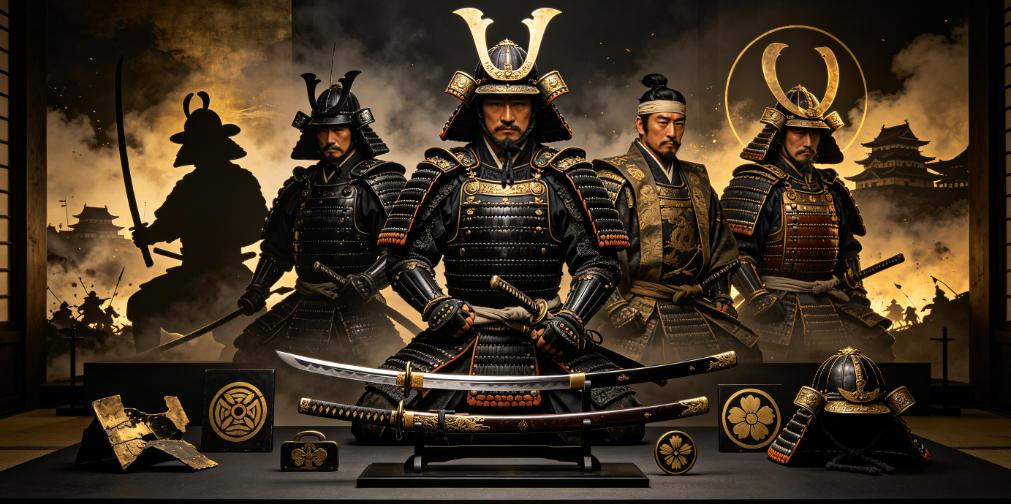
Who Were the Most Famous Samurai Warriors in Japanese History?
What Is a Samurai Warrior? The Origin and History of Japanese Samurai Warriors
Throughout Japan’s long history, the samurai warrior has become one of the most iconic symbols of Japanese culture. They were not only warriors who carried the katana sword and wore traditional armor, but also a special social class that combined military skills, social responsibilities, and spiritual beliefs. For many people, the Samurai Warrior represents more than battlefield strength; it symbolizes loyalty, honor, courage, discipline, and the determination to never surrender in the face of challenges.
So, what are samurai warriors? Simply put, Samurai Warriors were professional warriors in Japan’s feudal society who served powerful lords known as Daimyo. Their original responsibilities included protecting territories, carrying out military missions, and participating in regional conflicts. Over time, they developed into a powerful social class that played a major role in Japan’s politics, economy, and culture. Beginning in the late Heian period (around the 10th to 12th centuries), as the central government gradually lost control, warrior groups across Japan began to rise, eventually establishing the Shogunate system, a government structure centered around samurai power during the Kamakura period.
Unlike ordinary soldiers, a true Japanese samurai warrior underwent years of strict training. They learned how to use the samurai sword, bow and arrows, spears, and other weapons, while also mastering horseback riding, military tactics, and leadership skills. During Japan’s Sengoku Period, many famous samurai were not only skilled fighters on the battlefield but also talented commanders and political leaders who influenced the development of Japanese history through their strategies, courage, and ambition.
The most important spiritual foundation of the samurai was Bushido (the way of the warrior). Although Bushido as a formal concept developed much later, its core values had already influenced samurai behavior for centuries. Bushido emphasized loyalty, honor, courage, discipline, compassion, and self-sacrifice. For a true Samurai Warrior, the sword was not merely a weapon but a symbol of identity, responsibility, and personal belief.
During Japan’s feudal era, samurai usually served a specific lord and were willing to sacrifice their lives for their family, master, or country. They followed strict codes of conduct and valued promises and reputation. A great samurai needed not only exceptional swordsmanship but also calm judgment, strong determination, and the courage to face death. This is why many stories of famous samurai have survived for hundreds of years and continue to inspire people around the world.
When Japan entered the Edo Period, the long era of peace gradually changed the role of samurai. They were no longer only battlefield warriors but became administrators, cultural leaders, and members of the educated elite. Many samurai studied literature, calligraphy, tea ceremony, and philosophy, allowing Samurai culture to develop from a military tradition into a complete way of life.
Although the samurai system was abolished after the Meiji Restoration, samurai warrior culture did not disappear. Instead, it continued to influence global culture through movies, anime, novels, video games, and collectible items. From Seven Samurai and The Last Samurai to games such as Ghost of Tsushima and Sekiro: Shadows Die Twice, the image of the Samurai Warrior has been continuously recreated and reinterpreted.
Today, whether people are researching Japanese history, appreciating traditional swords, or collecting katana sword replica items, they can still experience the values represented by Samurai Warriors. A true Japanese samurai was not simply a fighter who used a sword, but a symbol of pursuing excellence, maintaining beliefs, and respecting responsibility.
Therefore, when people search for what are samurai warriors or explore Japanese samurai warriors history, they are not only learning about an ancient warrior class but also discovering a historical journey filled with courage, honor, and legendary figures. This is why Samurai Warriors remain one of the most admired and influential symbols of Japanese culture worldwide.

Bushido and the Spirit of Samurai Warriors
Before understanding famous samurai, it is important to understand the culture of Bushido.
Bushido was not an official legal system but rather a spiritual philosophy that influenced the behavior and values of Japanese warriors. For a true samurai warrior, the sword was not just a weapon but a representation of identity, responsibility, and the warrior’s soul.
Traditional samurai received strict training that included:
- Kenjutsu (Japanese swordsmanship)
- Kyujutsu (archery)
- Horseback riding skills
- Military strategy and tactics
- Cultural disciplines such as tea ceremony and calligraphy
A great samurai needed not only strength on the battlefield but also wisdom and spiritual discipline. Therefore, many famous Japanese samurai throughout history were not only war heroes but also political leaders, thinkers, and cultural representatives.
The Most Famous Samurai Warriors in Japanese History
Throughout Japanese history, many legendary warriors emerged whose stories continue to be studied and celebrated today. The following are some of the most representative famous samurai.
Miyamoto Musashi: One of Japan’s Greatest Sword Masters
Among all name of samurai figures, Miyamoto Musashi is undoubtedly one of the most famous warriors in the world.
Born during Japan’s Warring States period, Musashi was a legendary swordsman, strategist, and the author of The Book of Five Rings (Go Rin No Sho).
His most famous achievement was the Ganryujima Duel, where he defeated the skilled swordsman Sasaki Kojiro, becoming one of the greatest legends in Japanese sword history.
Unlike many warriors who gained fame through armies and large-scale battles, Musashi focused on personal swordsmanship, psychological warfare, and strategic thinking. He created the Niten Ichi-ryu style, developing the use of two swords and bringing dual-wielding techniques to a new level.
Today, Miyamoto Musashi remains one of the most frequently featured Japanese samurai warriors in movies, manga, anime, and video games.
Oda Nobunaga: The Samurai Leader Who Changed Japan’s History
Oda Nobunaga was one of the most influential famous samurai warriors of Japan’s Sengoku Period.
Known as the “Demon King of the Sixth Heaven,” this title is controversial, but there is no doubt that Nobunaga was a powerful figure who transformed Japanese history.
One of Nobunaga’s greatest achievements was his effort to unify Japan. He introduced innovative military strategies, made extensive use of firearms, and changed traditional methods of warfare.
As a Sengoku Daimyo, Nobunaga was not only a powerful warrior but also a political reformer. He created the foundation for Japan’s eventual unification after centuries of conflict.
Toyotomi Hideyoshi: The Legendary Samurai Who Rose from Common Origins
The story of Toyotomi Hideyoshi is one of the most inspiring samurai warrior stories in Japanese history.
Unlike many warriors who were born into samurai families, Hideyoshi came from a humble background. Through intelligence, diplomacy, and military talent, he eventually became one of the most important figures in the unification of Japan.
He continued Oda Nobunaga’s ambitions and completed the majority of Japan’s unification process.
Hideyoshi proved that samurai success was not only determined by birth but could also be achieved through ability, determination, and ambition.
Tokugawa Ieyasu: The Founder of the Edo Period
Tokugawa Ieyasu is one of the most important famous samurai in Japanese history.
After years of warfare, he achieved victory at the Battle of Sekigahara and established the Tokugawa Shogunate.
His rule began the Edo Period, which lasted for more than 260 years.
Unlike Oda Nobunaga’s aggressive approach and Toyotomi Hideyoshi’s rapid expansion, Tokugawa Ieyasu focused on patience, strategy, and long-term planning, making him one of the most successful rulers in Japanese history.

Date Masamune: The One-Eyed Dragon Samurai
Date Masamune was a famous samurai warrior from the Tohoku region of Japan.
Because he lost his right eye at a young age, he became known as the 'One-Eyed Dragon of Oshu.'
He was not only an excellent military commander but also a culturally influential lord. His black armor, crescent-shaped helmet, and unique appearance made him one of the most recognizable samurai figures in Japanese history.
Today, Date Masamune frequently appears as a legendary Japanese samurai warrior character in anime, games, and movies.
Samurai Weapons: Katana Sword and Samurai Sword Culture
When people think of a samurai warrior, the first image that often comes to mind is the Japanese sword, especially the Katana.
For samurai, the Katana Sword was more than a weapon; it represented their identity, honor, and spirit.
Traditional samurai swords were created through complex forging techniques, including folding steel, heat treatment, and detailed polishing processes.
The stories of famous swords used by legendary warriors further increased the cultural value of Japanese blades. Examples include:
- Miyamoto Musashi’s two-sword technique
- Famous blades associated with Oda Nobunaga
- Legendary swords connected with Date Masamune
Today, Samurai Sword Replica items and Anime Katana have become popular choices among collectors worldwide.
Why Does Samurai Warrior Culture Influence the World?
Although the samurai class no longer exists, samurai warrior culture continues to influence global audiences.
From Seven Samurai and The Last Samurai to video games such as Ghost of Tsushima and Sekiro: Shadows Die Twice, the image of the samurai continues to be recreated in modern entertainment.
People admire samurai not only because of their combat skills but also because they represent:
- The courage to maintain beliefs
- The strength to overcome difficulties
- Responsibility and commitment
- The pursuit of mastery and excellence
This is why famous samurai warriors still have millions of fans around the world today.
Conclusion: Why Does the Samurai Warrior Spirit Continue Today?
From the battlefields of Japan’s Sengoku era to the modern worlds of movies, anime, and video games, the samurai warrior has become more than a historical figure. It has transformed into a cultural symbol representing courage, responsibility, and honor. Although the samurai class disappeared from Japanese society long ago, the values associated with Bushido—loyalty, perseverance, self-discipline, and the pursuit of excellence—continue to influence people around the world.
Legendary famous samurai, including Miyamoto Musashi, Oda Nobunaga, Toyotomi Hideyoshi, and Tokugawa Ieyasu, not only changed Japanese history but also encouraged future generations to explore the fascinating world of samurai culture. Behind every name of samurai lies a unique story of war, wisdom, belief, and personal growth.
Today, people continue this centuries-old legacy by collecting samurai swords, studying Japanese history, and experiencing samurai culture through movies, anime, and video games. A true Samurai Warrior is not simply a person who carries a sword, but a symbol of someone who faces challenges with determination, follows principles, and constantly improves themselves.
Whether on the battlefields of ancient Japan or on the global cultural stage today, the honor and spirit represented by the Samurai Warrior will continue to inspire generations to come.

