


Ghost of Tsushima Review: Is It Worth Playing in 2026?
- Posted by COOLKATANA
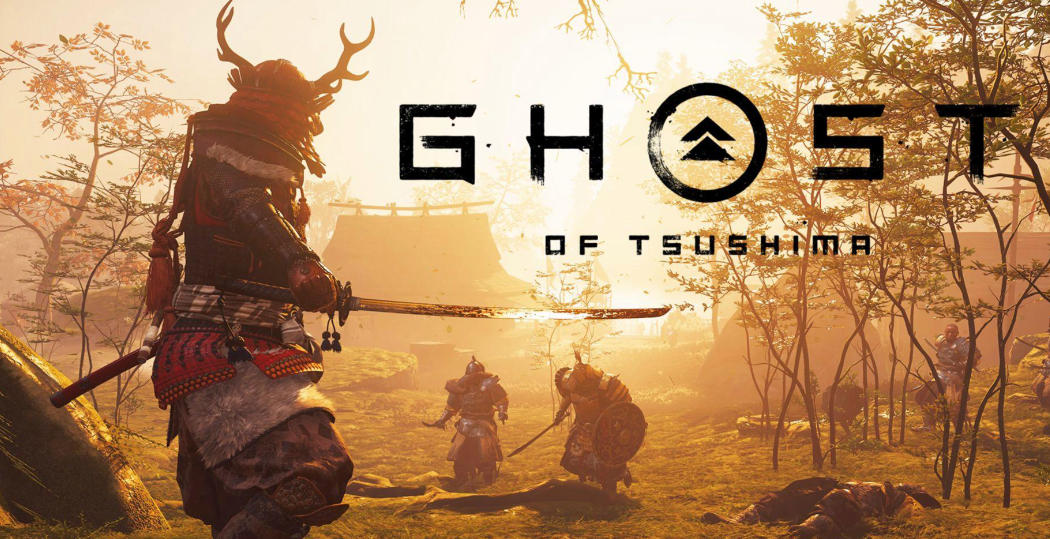
Is Ghost of Tsushima still worth playing in 2026 and why is it so popular?
If you’re searching for Ghost of Tsushima gameplay review, is Ghost of Tsushima worth it, or best PS4/PS5 open-world games to play, this title from Sucker Punch Productions is almost always near the top of the list.
But instead of simply asking whether it is good or not, a better question is:
Why has 'Ghost of Tsushima' become one of the most immersive samurai experiences in modern gaming?
I. What Is 'Ghost of Tsushima'?
'Ghost of Tsushima' is an open-world action-adventure game developed by Sucker Punch Productions and published by Sony Interactive Entertainment. Set during the Mongol invasion of Japan in the late 13th century, it blends real historical inspiration with highly stylized samurai aesthetics to create a cinematic, emotionally driven world.
Players take on the role of Jin Sakai, a samurai warrior born into a noble clan on Tsushima Island. When the Mongol Empire invades, traditional samurai combat methods quickly become ineffective. Jin is forced to evolve between two paths: the honorable way of the samurai and the pragmatic, stealth-based methods of the Ghost.
A Samurai’s Identity Shift and Inner Conflict
At the beginning, Jin strictly follows the samurai code, valuing honor, direct confrontation, and ritualized combat. However, as the war intensifies and the Mongol forces overwhelm the island, he gradually adopts stealth tactics, assassination, and psychological warfare.
This transformation changes not only his combat style but also his identity and beliefs. The story revolves around a central question: does honor still matter if it leads to defeat?
II. Historical Inspiration and Artistic Reinterpretation
The game is inspired by the real historical Mongol invasion of Tsushima and Kyushu in 1274. However, most of the narrative and characters are fictionalized to enhance storytelling.
Key creative liberties include:
- Jin Sakai as a fictional protagonist
- Highly cinematic combat presentation
- Environmental and architectural design inspired by the Kamakura period
This blend allows the game to maintain historical atmosphere while delivering strong dramatic storytelling.

III. Immersive Open-World Exploration
One of the most distinctive features of the game is its exploration system, which avoids traditional minimaps and heavy UI elements. Instead, it guides players through natural cues such as wind direction, animals leading the way, and environmental storytelling like smoke, light, and terrain composition.
This design keeps players focused on the world itself rather than interface markers, creating a highly immersive open-world experience that many players consider one of the most atmospheric in modern gaming.
IV. Cinematic Samurai Combat System
Combat is built around precision, timing, and reaction-based mechanics. It emphasizes one-on-one duels and small-scale engagements that feel intense and personal.
Players use parries, dodges, guard breaks, and stance switching to counter different enemy types. Every duel feels like a cinematic moment, echoing classic samurai films with slow, high-tension confrontations.
V. Why the Game Continues to Stay Relevant
Even years after release, the game remains highly discussed in gaming communities due to its cinematic visual design, immersive atmosphere, and strong narrative structure that explores the conflict between samurai ideals and survival reality.
In addition, next-generation enhancements and ongoing discussions about potential adaptations continue to attract both returning and new players into its world.
VI. Why It Is Called a 'Cinematic Samurai Experience'
1. Visual Design Inspired by Samurai Cinema
The game’s visual presentation is heavily influenced by classic Japanese samurai films, featuring cinematic framing, dramatic lighting, and natural landscapes such as golden wheat fields, red maple forests, and bamboo forests during rain-soaked duels.
Many players often compare its visual fidelity to the best-looking open-world games on PS5, praising its ability to recreate a believable and atmospheric version of feudal Japan.
2. Combat as Blade-Based Art
Unlike traditional RPG systems, combat focuses on lethal precision and rhythm. Players must rely on perfect timing, stance transitions, and reactive defense to survive.
Duels often end quickly, with every strike carrying weight and consequence. This creates a combat system that feels closer to real samurai dueling aesthetics than typical action gameplay.
It is widely regarded as one of the most refined sword combat experiences in modern gaming.
3. Samurai vs Ghost: A Philosophical Conflict
Beyond gameplay, the core narrative explores a deep ideological conflict. Jin begins as a traditional samurai who values honor, direct confrontation, and discipline. As the war escalates, he adopts stealth tactics, assassination, and psychological warfare to achieve victory.
This evolution raises a central moral question:
Is survival worth abandoning honor?
This philosophical tension gives the story emotional depth and makes the character’s journey far more than just a gameplay progression—it becomes a reflection on belief, sacrifice, and identity.

VII. Open-World Design With a 'Living Soul'
Many open-world games focus on large maps filled with icons and objectives, but this game takes a different approach.
It uses:
- Wind guidance system
- Foxes and birds for exploration hints
- Environmental cues like smoke, light, and terrain
This creates a world that feels alive rather than artificial, encouraging natural exploration instead of UI-driven navigation.
VIII. Samurai Sword Collectible Inspired by the Game
For fans of 'Ghost of Tsushima', the experience does not end in the game world. A handcrafted samurai sword set inspired by Jin Sakai’s “Ghost” identity brings the aesthetic into the real world.
This collectible features a hand-polished T10 high carbon steel blade with traditional heat treatment and clay tempering, producing a realistic hamon-style blade pattern. The full tang construction improves durability and balance, while the alloy scabbard is designed with detailed craftsmanship to reflect the game’s immersive visual identity.
Whether used as a collector’s display piece or a tribute to samurai culture, it extends the emotional connection between the game’s world and real-life craftsmanship.
IX. Why the Game Remains Popular Today
One of the main reasons for its continued popularity is the enhanced Director’s Cut version on PS5, which improves visuals, loading speed, and environmental detail to near next-gen standards. Many players still consider it worth playing even years after release.
In addition, rumors and community discussions about a possible sequel continue to generate excitement. The expansion of its player base to PC platforms has also introduced the game to new audiences, further increasing its visibility.
Moreover, its adaptation into live-action film projects has elevated it beyond gaming into broader entertainment culture, strengthening its long-term influence.
Handmade Game Ghost Of Tsushima Katana Sword And Tanto Sword Set Hand Polished T10 Steel Blade Full Tang Clay Tempered

X. Conclusion: More Than a Game, It’s a Samurai Experience
In short, 'Ghost of Tsushima' is not just an open-world action game—it is an immersive journey into the conflict between honor and survival.
Its success comes from:
- Cinematic visual design
- Deep and responsive combat system
- Strong cultural atmosphere
- Emotion-driven storytelling
For players who enjoy samurai-themed games, historical Japanese settings, and high-quality open-world experiences, it remains one of the most essential titles to experience.

