


Kenjutsu Techniques Explained: Samurai Sword Combat Guide
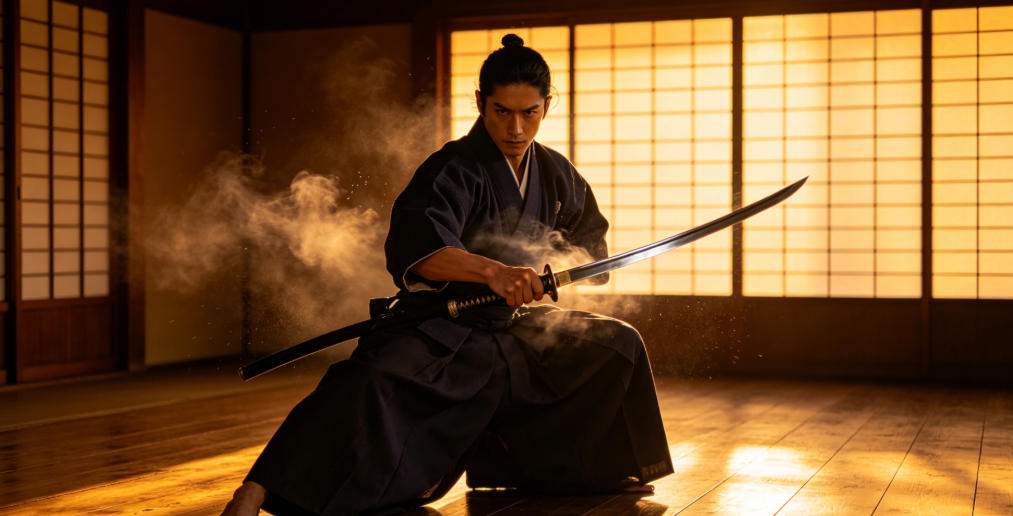
What Is Kenjutsu and How Did Samurai Use Sword Techniques in Real Combat?
In the Japanese martial tradition, kenjutsu (剣術) is a highly historical and combat-oriented swordsmanship system. It originated from the samurai class and was developed as a set of practical techniques designed for real battlefield survival. Unlike modern competitive kendo, kenjutsu is much closer to actual combat logic, emphasizing fast elimination of opponents, precision strikes, and survival-first strategy.
Today, with the global rise of martial arts culture and interest in historical weapon systems, search terms such as kenjutsu techniques, traditional Japanese sword training, and samurai sword combat skills continue to grow in popularity, bringing this ancient system back into the spotlight.
What Is Kenjutsu?
Kenjutsu literally means 'the art of the sword. It refers to the traditional combat techniques used by samurai when engaging in real sword fights.
It is not a sport, but a combat system designed for real killing efficiency.
During Japan’s Sengoku (Warring States) period, samurai had to fight in real battlefield conditions. Therefore, kenjutsu was developed with clear priorities:
- Ending combat quickly
- Surviving chaotic battles
- Dealing with multiple attackers
- Maximizing one-strike effectiveness
Thus, kenjutsu is not only a technical system but also a combat mindset.
Kenjutsu Techniques: Core System Overview
The kenjutsu system is structured around posture, offense, defense, and tactical movement.
1. The Five Basic Guards (Kenjutsu Kamae)
In all kenjutsu training, kamae (stance or guard position) is fundamental.
1. Jodan no Kamae (High Guard)
The sword is raised above the head, used for powerful downward strikes with strong intimidation.
2. Chudan no Kamae (Middle Guard)
The most commonly used stance, balanced between offense and defense, and considered the core fighting position.
3. Gedan no Kamae (Low Guard)
The sword is pointed downward, used for defense and baiting opponents into attacking.
4. Hasso / Waki Kamae (Side Guards)
Used for unpredictable attacks and counterattacks, hiding offensive intent.
5. Seigan (Natural Guard)
A relaxed and observational stance used at the beginning of combat.
These stances form the structural foundation of all kenjutsu techniques and remain central in traditional Japanese sword training.
2. Basic Cutting Techniques (Kiri Waza)
Kenjutsu attacks are centered around efficient cutting rather than flashy movements.
Main cutting techniques include:
- Vertical Cut (Men Uchi): Targets the head or centerline
- Horizontal Cut (Yoko Giri): Targets the torso or side
- Diagonal Cut (Kesa Giri): From shoulder to waist
- Downward Cut (Kiri Oroshi): Powerful overhead strike
These techniques reflect the samurai principle of 'one strike, one kill' efficiency.
3. Thrusting Techniques (Tsuki Waza)
Thrusting is one of the most lethal techniques in kenjutsu.
Key characteristics:
- Linear motion
- Extremely fast execution
- Difficult to defend
- Targets throat or chest
In real combat, thrusting is often used to break defenses or finish an opponent.

4. Defense and Counter Techniques (Uke & Kaeshi)
Kenjutsu emphasizes the idea that defense is offense.
Core principles:
- Do not simply block—redirect the attack
- Use the opponent’s force against them
- Counter immediately after defense
Common techniques include:
- Deflect and counter-cut
- Evade and thrust
- Redirect and turn attack
This makes kenjutsu a highly practical combat system.
5. Footwork and Distance Control (Tai Sabaki)
In kenjutsu, movement is as important as attack.
Key elements:
- Diagonal evasion
- Distance management
- Side stepping
- Rhythm control in combat
Skilled practitioners win not through strength, but through timing and distance control.
6. Dual Sword Strategy (Nito Ryu Kenjutsu)
Some schools developed a dual-wield system, using a long and short sword.
Tactical features:
- Long sword for pressure and offense
- Short sword for defense and quick counters
- Expanded combat coverage
This system requires extremely high coordination skills.
Kenjutsu Training System
1. Kata Training System
Kenjutsu is primarily practiced through kata (pre-arranged forms).
Purpose:
- Develop muscle memory
- Simulate real combat scenarios
- Standardize movement structure
Repeated practice builds automatic combat responses.
2. Wooden Sword Training (Bokken Practice)
Beginners usually train with wooden swords:
- Safer for practice
- Simulates real sword weight
- Suitable for partner drills
Advanced training may involve bamboo swords or controlled sparring.
3. Combat Simulation Training
Advanced kenjutsu training may include:
- Restricted sparring
- Multi-opponent scenarios
- Fast reaction drills
The goal is not competition, but realistic combat pressure adaptation.
Kenjutsu vs Modern Kendo
Many people confuse kenjutsu with kendo, but they are fundamentally different:
| Aspect | Kenjutsu | Kendo |
|---|---|---|
| Nature | Combat system | Sport |
| Goal | Survival & elimination | Scoring points |
| Technique | Real combat oriented | Rule-based |
| Weapon | Real/wooden sword | Bamboo sword |
Kenjutsu is a battle system, while kendo is a modern sport.
Historical Schools and Influence
Kenjutsu developed into many famous schools, including styles focused on:
- Battlefield combat efficiency
- Fast cutting techniques
- Psychological control and timing
These schools formed the foundation of samurai culture and influenced later disciplines such as kendo and iaido.
Modern Relevance of Kenjutsu
Although modern society no longer requires sword combat, kenjutsu remains valuable for:
- Martial arts research
- Film and choreography design
- Body coordination training
- Cultural preservation
Search interest in terms like kenjutsu techniques, samurai sword fighting skills, and traditional Japanese sword training continues globally.
Kenjutsu and Iaijutsu: A Complete Combat System
In traditional samurai systems, Kenjutsu and Iaijutsu (居合術) are not separate disciplines, but two connected stages of combat.
Iaijutsu: Instant Strike from Stillness
Iaijutsu focuses on attacking before full combat begins:
- Drawing the sword instantly from the scabbard
- Striking during the draw motion
- Ending the fight in a single action if possible
- Minimizing opening vulnerability
Core training includes:
- Drawing speed (nukitsuke)
- Integrated draw-and-cut motion
- Controlled re-sheathing (noto)
- Instant decision-making
Iaijutsu is not only a technique, but a mindset of calmness under sudden danger and immediate action.
Kenjutsu: Sustained Combat Phase
When the initial iaijutsu strike does not end the fight, combat transitions into kenjutsu:
- Continuous offense and defense
- Footwork and distance control
- Rhythm and timing manipulation
- Tactical engagement
Complete Samurai Combat Flow
A typical idealized sequence is:
- Stillness (sword in scabbard)
- Iaijutsu first strike (draw attack)
- Kenjutsu sustained combat phase
- Final resolution of the battle
- Sheathing and restoration of calm
Handmade Japanese Oni Slayer Combat Katana,9260 Spring Steel,Iaito,Combat Sword

Final Conclusion
Kenjutsu is not just sword technique—it is a complete combat system integrating tactics, body mechanics, and mental discipline.
From basic stances to advanced cutting techniques, from defense and counterattacks to distance control, it represents the core survival logic of the samurai warrior.
To understand kenjutsu is not simply to learn how to use a sword—it is to understand a philosophy of efficiency, precision, and survival above all else.

