


Samurai Breastplates: The Art and Courage Behind Japanese Do Armor
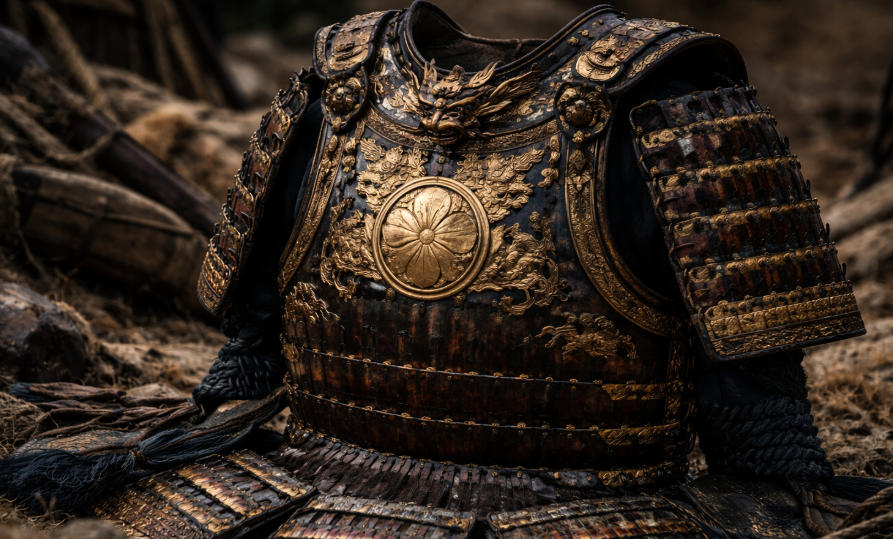
What Made Samurai Breastplates (Do) So Important in Battle and Culture?
What Are Breastplates for Humans?
The breastplate is not just a defensive tool—it is the very soul shield of the warrior. This article delves into the evolution of chest protection in Eastern and Western armor, with a focus on the beauty of the Japanese samurai 'Do'. From ballistic function to family crests, discover why this armor guarding the heart became the ultimate symbol of courage and honor, and its unique value in modern collecting and feng shui.
On the battlefields of the cold weapon era, no piece of armor was more iconic than the breastplate. It protected the warrior’s most vulnerable and vital organs—the heart and lungs.
For history enthusiasts and armor collectors, a breastplate is more than a cold piece of metal—it embodies 'Protection and Valor'. From the gleaming plate armor of European knights to the deep black elegance of the Japanese Do, breastplates carry a millennium of martial aesthetics.
Today, we take a closer look at this critical piece of defense, particularly its esteemed role in Japanese samurai culture.
1. The Lifeline: Origins and Function of the Breastplate
In the harsh arena of pre-modern combat, the breastplate existed with a single mission: survival. Covering the core of the human body—the heart and lungs—it was the last line of defense against slashes, spear thrusts, and later, musket shots. Psychologically, it was also a warrior’s most steadfast fortress.
1. The Western 'Steel Fortress': The Art of Deflection
In the West, with the advancement of metallurgy, medieval plate armor brought chest protection to its pinnacle. Craftsmen moved beyond flexible chainmail to create smooth, perfectly curved steel cuirasses.
-
Mechanical Design: The globose form was not merely aesthetic. Its curves were engineered so that sword points or spear tips would glance off, deflecting blows and dispersing kinetic energy.
-
Impact Buffering: The hard shell created a buffer between metal and body, absorbing blunt strikes from maces and war hammers.
2. The Eastern 'Fluid Armor': The Philosophy of the Samurai Do
In the East, especially during Japan’s Sengoku period, samurai breastplates—Do—followed a completely different evolutionary path.
-
Composite Materials: Unlike the single steel plates of Europe, Japanese Dō were complex combinations of iron, leather, silk cords, and natural lacquer (Urushi). This not only reduced weight but enhanced durability, perfectly suited to Japan’s humid, rainy climate.
-
Tactical Adaptation: Designed for mounted archery and Iaijutsu quick-draw sword techniques, Do emphasized ergonomics. Often constructed from kozane (small scales) or multiple articulated plates (e.g., two-piece Dō, five-piece Dō), it provided near-impenetrable defense while allowing a full range of upper-body motion.
-
Visual Deterrence & Aesthetics: Beyond protection, it served as the visual soul of samurai armor. Deep black lacquer, gilded family crests, and vibrant designs turned armor into a battlefield artwork, shielding both body and intimidating enemy spirits.

2. The Samurai Do: The Soul of Tosei Gusoku
At CoolKatana, we celebrate handcrafted mastery, as each armor piece echoes history. To fully appreciate Japanese breastplates, one must understand Tosei Gusoku.
This was not merely a change in style—it was a survival revolution. With the scale of warfare increasing in the Sengoku era, especially after the introduction of firearms (Teppo), traditional armor could no longer withstand dense volleys and rapid infantry combat. The 'modern complete armor' (Tosei Gusoku) emerged, balancing protection, mobility, and mass production.
Japanese breastplates exemplified Eastern practical wisdom and aesthetics:
1. Material Artistry: Iron, Leather, and Lacquer Composite Armor
Unlike European knights’ pursuit of thick polished steel, Japanese Do often used high carbon steel, wrought iron, or hardened leather (Nerigawa) as the base, assembled with precision. The real magic was in surface treatment:
-
Urushi Lacquer Seal: Craftsmen applied dozens of layers of natural lacquer. This was more than decoration; it was an early composite material technique. Dried lacquer hardened into a shell, protecting metal from corrosion in Japan’s humid climate for centuries.
-
Psychological Deterrence: Lacquer provided deep, dramatic sheen. Black lacquer evoked stability like an abyss, red lacquer (Aka-bari) burned with intensity, and gold lacquer signified leadership. On the battlefield, these colors boosted morale and made enemies feel the presence of near-supernatural warriors.
2. Structural Evolution: From 'Mobile Fortress' to 'Close-Fitting Defense'
The evolution of Japanese breastplates reflects a shift from mounted duels to group musket warfare:
-
Ō-yoroi – Glory of Old Times:
Developed in the Heian and Kamakura periods, boxy with massive shoulder guards for horseback archery. Majestic and ceremonial, but heavy and limited in lateral protection, it gradually retreated from frontline combat, becoming a ritual or elite officer symbol. -
Ni-mai Dō – Peak of Combat Design:
Popular in the late Sengoku period. Simplified chest and back into two solid plates, connected at the sides with hinges.-
Advantages: The 'shell-like' design hugged the torso, evenly distributed weight, and allowed flexibility when wielding katana or spear. The sturdy plates offered stronger impact resistance than fragmented armor.
-
-
Hotoke Dō – Firearm Countermeasure:
Minimalist masterpiece with smooth, rounded surface like a Buddha statue—hence the name.-
Ballistic Principle: The smooth curvature deflected early musket balls effectively, demonstrating advanced understanding of physics in armor design.
-

3. Totems of Courage: Spiritual Symbols on the Breastplate
The breastplate protects the heart, the source of courage. It became a canvas for samurai to express individuality and belief.
Collectors often notice intricate motifs on reproduction armor:
-
Family Crests (Mon): Such as Sanada’s Rokumonsen or Oda’s mokko, representing honor and lineage.
-
Religious Symbols: Some samurai inscribed Sanskrit prayers to Fudō Myōō, invoking divine protection against weapons.
When a samurai fastened his Dō, he transformed from mortal to guardian of family honor. This ritualized process fascinates modern collectors.
4. Modern Perspective: Why Collect Breastplates and Armor?
Today, we no longer wear heavy armor to battle, but full-sized metal breastplates or complete samurai armor sets remain highly prized.
1. Premium Interior Decor
A well-crafted reproduction breastplate is a striking art piece. Its metallic texture and historical weight instantly elevate a study, office, or living room—an ultimate display of masculine elegance.
2. Feng Shui & Household Protection
In Eastern tradition, armor possesses a commanding aura. Displaying imposing armor is believed to deter evil spirits, protect the home, and attract fortune.
3. Historical Reenactment & Martial Practice
For practitioners of Kendo or Iaido, wearing a properly fitted iron breastplate offers the closest experience of historical techniques and combat mindset.
5. Conclusion: Protect Your 'Heart'
The breastplate is steel-ribbed courage, lacquer-encased valor. It reminds us that, whether on a battlefield, in the workplace, or in life, we must shield our hearts and face challenges boldly.
At CoolKatana, we honor this millennia-old craftsmanship. We provide not just cold weapon reproductions, but the enduring spirit of the samurai.
Whether seeking a complete Sanada Yukimura armor set or a single black lacquer Ni-mai Dō as an art piece, this is your gateway to the way of the samurai.

