


Sasaki Kojiro: The Legendary Samurai and His Duel with Musashi
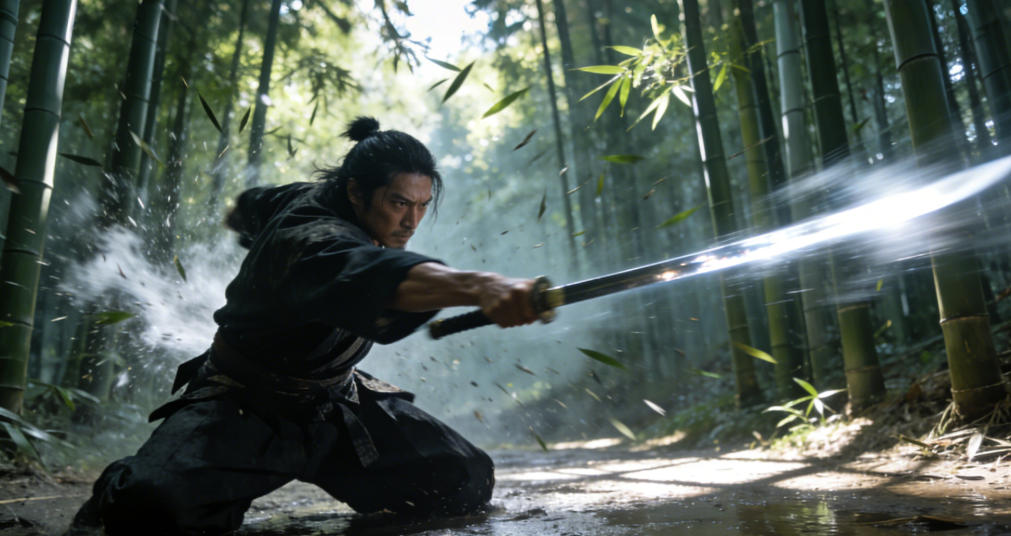
Who Was Kojiro Sasaki and What Made His Duel with Miyamoto Musashi Legendary?
In the history of Japanese swordsmanship, one duel has been immortalized and celebrated through generations—the legendary battle between Sasaki Kojiro (kojiro sasaki / sasaki kojiro / sasaki kojirō) and Miyamoto Musashi. Kojiro was not only one of the most famous swordsmen of the Edo period but also a pivotal figure for studying Japanese samurai culture and classical swordsmanship.
This duel was more than a contest of skill—it symbolized the ultimate combination of samurai spirit, tactical intelligence, speed, and decisive judgment. As a result, kojiro sasaki and this legendary duel have long appeared in Japanese historical studies, sword enthusiast discussions, films, novels, anime, and even video games.
Who Was Sasaki Kojiro
Sasaki Kojiro was one of the most legendary sword masters from the late Sengoku to early Edo period. Born into a family of swordsmen, he received rigorous training from an early age, demonstrating extraordinary talent in both martial theory and combat techniques. Kojiro was renowned for his speed, precision, and elegance; his swordsmanship combined artistry with lethality, earning him a reputation as one of the most dangerous opponents of his time.
Kojiro's most famous technique was the 'Tsubame Gaeshi' (Swallow Reversal), a unique high-speed counter-slashing method. Legend has it that he could reverse his blade at lightning speed, like a swallow in flight, making his attacks unpredictable and almost impossible to defend against. This technique not only demonstrated his technical skill but also reflected his deep understanding of combat rhythm, footwork, and psychological warfare, cementing kojiro sasaki as an iconic figure in Japanese sword history.
Beyond the Tsubame Gaeshi, Kojiro’s swordsmanship emphasized:
-
Flexible and adaptive footwork: skillfully adjusting distance and angle to control the tempo of battle
-
Blade angle and rhythm control: calculating every strike for both offense and defense
-
Psychological and strategic awareness: exploiting opponents’ weaknesses for maximum advantage
-
Long sword utilization: leveraging longer-than-average blades for superior reach in strikes and counters
Although details of his early life are limited, it is clear that Kojiro valued not only speed and technique but also tactical intelligence and psychological strategy. This is why sasaki kojiro remains highly respected by martial arts enthusiasts, historians, and famous samurai scholars alike.
In Japanese sword culture, Kojiro represents the pinnacle of samurai skill, combining speed, precision, intelligence, and elegance. His name and the Tsubame Gaeshi remain legendary, making kojiro an essential figure for understanding Japanese swordsmanship and samurai culture.
Kojiro Sasaki’s Swordsmanship and Style
Sasaki kojiro was known for his fast and agile sword style, contrasting with contemporaries who emphasized strength and stability. His long sword was typically longer than standard samurai blades, giving him a reach advantage for both thrusting and counterattacks.
His combat style emphasized:
-
Rapid and flexible footwork: maintaining optimal distance and tempo
-
Variable blade angles: striking unpredictably to outmaneuver opponents
-
Focused timing for openings: exploiting any lapse in the opponent’s defense
These tactics allowed kojiro sasaki to maintain an impressive record in duels and earned him widespread admiration.

Preparations and Mindset Before the Duel
When sasaki kojirō accepted the challenge to face Miyamoto Musashi, the duel was regarded as the ultimate contest between top-level swordsmen. Kojiro carefully prepared, selecting a public location and time while formulating a tactical plan.
Historical records and legends indicate:
-
Kojiro trained intensely prior to the duel
-
He relied on his signature Tsubame Gaeshi to counter any opponent
-
He focused on breathing, rhythm, and psychological balance
This attention to detail highlights Kojiro as not only a technical swordsman but also a master of combat strategy and mental preparation.
The Legendary Duel: Sasaki Kojiro vs Miyamoto Musashi
The duel took place on Ganryu-jima Island during the early Edo period and is considered one of the most famous and legendary sword battles in Japanese history. In this life-or-death encounter, sasaki kojiro and Miyamoto Musashi tested not only their skill but also speed, strength, psychology, and distance management.
According to historical records and popular legend:
-
Sasaki Kojiro wielded his signature nodachi, attempting to dominate the fight with long-range strikes and precise thrusts
-
Musashi employed unorthodox, highly flexible footwork, exploiting openings to land decisive blows
-
The duel involved multiple exchanges, feints, and constant adjustments in distance and speed
-
Legend holds that Musashi seized a small mistake by Kojiro and delivered a fatal, decisive strike
This duel not only determined the fates of both swordsmen but also profoundly impacted Japanese samurai and sword culture. The Ganryu-jima battle became a teaching case in swordsmanship, studied for blade techniques, psychological warfare, and strategic rhythm.
Culturally, the duel inspired literature, theater, films, and anime. The names sasaki kojiro and kojiro remain synonymous with elite swordsmanship in Japan.
Kojiro’s Historical Significance and Influence
Although kojiro sasaki was defeated at Ganryu-jima, his legacy in sword history remained intact. Sasaki kojiro is celebrated for his incredible speed, precise techniques, and tactical intelligence, making him one of the most influential swordsmen in Japanese history.
His impact includes:
-
Sword technique legacy: His Tsubame Gaeshi remains a studied and practiced high-speed counter technique in many schools
-
Cultural icon: Sasaki kojirō frequently appears in literature, historical novels, films, anime, and video games as a symbol of intelligence, speed, and sword aesthetics
-
Martial theory comparison: Scholars often use kojiro as a counterpoint when analyzing Miyamoto Musashi’s strategies, highlighting Kojiro’s value in tactical studies
-
Embodiment of samurai spirit: His swordsmanship combines technical mastery with samurai virtues—precision, courage, elegance, and intelligence
Even in defeat, sasaki kojiro’s name endured, and his techniques, philosophy, and legendary story remain essential in Japanese swordsmanship research and samurai culture discussions. Martial artists, historians, and modern kendo practitioners continue to study kojiro sasaki as a model for speed, footwork, and psychological strategy in combat.
In short, sasaki kojiro is more than a historical figure; he embodies the essence of Japanese sword culture, demonstrating that swordsmanship is not merely a contest of strength but an art of intelligence, speed, and psychological mastery.
Kojiro’s Cultural Symbolism
In Japanese and global popular culture, sasaki kojirō has transcended historical texts. He appears as:
-
Characters in films and television dramas
-
Legendary rivals in anime and video games
-
A subject in live martial arts demonstrations and strategic analysis
Many sword enthusiasts search for kojiro sasaki and sasaki kojirō to study his techniques, tactics, and mindset, showing that his legend continues to capture modern interest.
Conclusion: Why Sasaki Kojiro Remains Unforgettable
Sasaki kojiro is not just a highly skilled swordsman but an indispensable part of Japanese samurai culture:
-
His unique swordsmanship system, especially Tsubame Gaeshi, is unmatched in sword history
-
The legendary duel at Ganryu-jima made him an eternal topic of discussion
-
His deep understanding of tactics and mindset embodies true samurai philosophy
-
Together with Miyamoto Musashi, his name represents one of the world’s most famous sword duels
Whether you are a martial arts enthusiast, historian, or simply interested in Japanese culture, learning about kojiro sasaki and his legendary duel provides deep insight into samurai-era strategy, philosophy, and spirit.

