


Basket Hilt Sword Explained: History, Design, and Battle Advantages
What Makes the Basket Hilt Sword Different from Other Historical Swords?
In the history of bladed weapons, the basket hilt sword is one of the most iconic types of swords. It not only represents the evolution of sword and hilt design but also strikes a fine balance between battlefield practicality and hand protection. This article explores the history, structure, functionality, and comparisons with other sword types to provide a comprehensive understanding of the unique value of the basket hilt.
1. What is a Basket Hilt Sword?
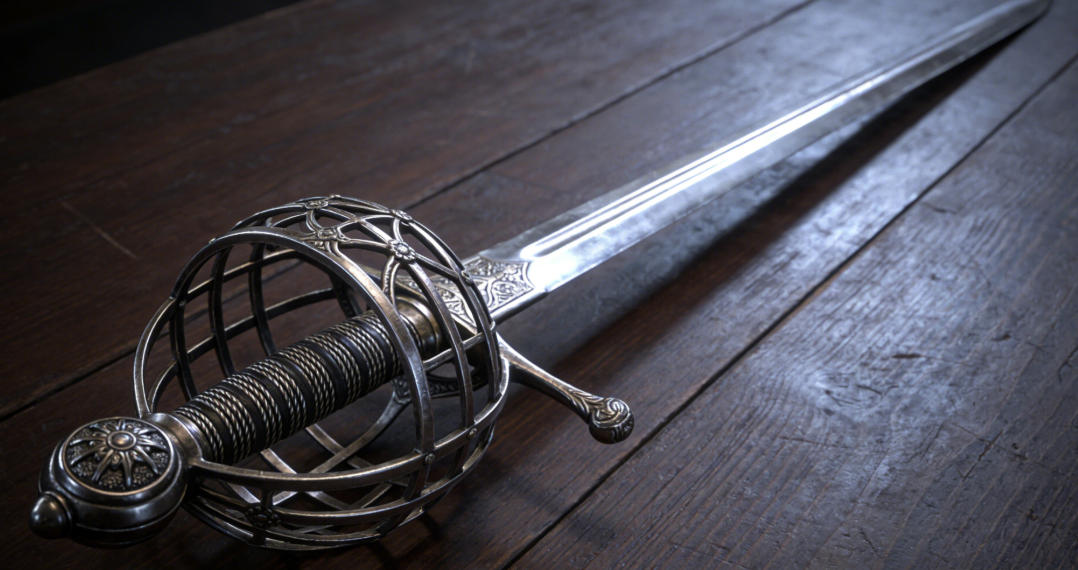
As the name suggests, a basket hilt sword is a one-handed sword featuring a “basket-shaped” guard. Its most distinctive feature is the intricate metal hilt that almost completely encloses the wielder's hand, offering far greater protection than a typical hilt sword. The guard is usually made of multiple interlacing metal bars forming a basket or cage-like structure, sometimes lined with leather or fabric for enhanced comfort and grip stability. This design not only shields the hand from slashes and thrusts but also improves the overall balance between the hilt and the blade, making the sword and hilt combination more efficient.
Historically, the basket hilt sword originated in 16th-century Europe and became widely used during the 17th and 18th centuries, especially among Highland Scottish cavalry and infantry units. In contrast, traditional hilt swords generally had simple crossguards, providing only basic hand protection and leaving the hand vulnerable in intense close combat. The emergence of the basket hilt marked a significant leap in hilt protection, evolving from simple guards to fully enclosed designs, enhancing both defensive capabilities and swordsmanship styles for more flexible and effective combat.
Over time, the basket hilt sword developed multiple variations, such as fully enclosed guards, half-basket guards, and even decorative designs, meeting both practical battlefield needs and aesthetic preferences. It is not only a functional weapon but also a reflection of historical hilt sword innovation and tactical ingenuity.

2. Basket Hilt Structure (Core of Sword and Hilt Design)
2.1 Key Components of a Basket Hilt
The core appeal of a basket hilt sword lies in its unique guard design, which is both decorative and a critical protective feature in combat. Its key components include:
- Interlacing metal bars forming the basket structure: These bars surround the hand from front to back and from side to top, creating a robust protective cage that effectively resists slashes and thrusts.
- Leather or fabric lining inside the guard: Padding enhances comfort, prevents slipping during intense combat, and improves grip stability.
- Balanced integration with hilt and pommel: The weight and structure of the guard are precisely designed so that the sword and hilt remain well-balanced during swings and thrusts, enabling quick response without affecting swordsmanship fluidity.
This structure not only demonstrates practical guard design but also considers ergonomics and tactical efficiency, allowing every strike to be both safe and precise.
2.2 Functional Advantages
The design of the basket hilt sword provides several key advantages:
- Comprehensive hand protection: Fully encloses the hand to safeguard fingers, knuckles, and the back of the hand, crucial in close combat.
- Structural stability: The collaboration of the guard, hilt, and pommel enhances grip stability, maintaining precision even during rapid consecutive strikes.
- Tactical versatility: The guard design allows seamless transitions between cutting, thrusting, and parrying, maintaining balance between offense and defense.
- Durability and adaptability: Tested extensively in historical battlefields, this guard structure is durable and suitable for various combat styles, from duels to group engagements.
Historical studies indicate that the basket hilt evolved from simple crossguards to cope with more intense, rapid, and dynamic combat environments. This design reflects the advanced development of hilt swords in terms of structure, tactical function, and ergonomics, making the sword and hilt not just a weapon but a combination of technology and ingenuity.
3. Basket Hilt Sword vs. Other Historical Swords
3.1 Compared to the Rapier
| Feature | Basket Hilt Sword | Rapier |
|---|---|---|
| Guard type | Fully enclosed (basket hilt) | Semi-open guard |
| Combat style | Slash + thrust | Primarily thrusting |
| Usage | Battlefield | Duels and ceremonial |
Conclusion: The basket hilt sword is more suited for practical combat, while the rapier emphasizes finesse and precision.
3.2 Compared to the Longsword
| Feature | Basket Hilt Sword | Longsword |
|---|---|---|
| Grip | One-handed | Two-handed |
| Guard type | Basket hilt | Crossguard |
| Flexibility | High | Moderate |
Conclusion: Longswords emphasize reach and power, whereas basket hilt swords focus on hand protection and one-handed maneuverability.
3.3 Compared to the Sabre
| Feature | Basket Hilt Sword | Sabre |
|---|---|---|
| Blade shape | Straight | Curved |
| Attack style | Slash + thrust | Primarily slashing |
| Guard | Fully enclosed | Partial guard |
Conclusion: Sabres are optimized for cavalry charges, while basket hilt swords provide a more balanced combination of offense and defense.

4. Why the Basket Hilt Design is Important
In historical battles, the hand was one of the most vulnerable parts of the body. Traditional hilt swords with simple crossguards or open guards offered basic protection but left fingers and the back of the hand exposed during fast slashes or thrusts. The basket hilt addresses this by fully enclosing the hand with a metal cage, extending protection to the back of the hand, knuckles, and even the wrist, significantly reducing the risk of injury.
Moreover, the basket hilt changes swordsmanship style, making combat techniques more versatile and practical:
- Balanced defense and counterattack: The complex guard allows confident blocking and countering without worrying about hand injury.
- Close-range control: Complete hand protection enables precise strikes and slashes in close combat.
- Stable output: The guard structure improves grip stability, maintaining control during repeated slashes or thrusts.
Therefore, the basket hilt sword is not just a weapon; it is a product of tactical evolution and design intelligence, elevating the defensive function of hilt swords while enabling more diverse swordsmanship techniques.
5. Modern Value: Collecting and Cultural Significance
Today, the basket hilt sword is more than a historical weapon; it carries rich cultural and collectible value:
- Historical collectibles: Its unique guard structure and historical significance make it highly sought after by collectors.
- Iconic in films and games: The basket-shaped guard’s distinctive look has made it a symbol of bravery and combat prowess in media, animations, and games.
- Important in European martial arts (HEMA): Modern Historical European Martial Arts practitioners study basket hilt swords to understand ancient combat techniques and grip methods.
With growing understanding of sword and hilt mechanics, the basket hilt continues to inspire modern weapon design and swordsmanship. Whether as a collectible or a practical study tool, it embodies the perfect combination of historical ingenuity and contemporary relevance.
6. Conclusion: The Unique Status of the Basket Hilt Sword
Overall, the basket hilt sword holds a unique position among historical swords:
- Superior hand protection compared to most one-handed swords
- Balanced combat performance combining offense and defense
- Represents the pinnacle of hilt sword evolution
From both practical and cultural perspectives, the basket hilt is an essential milestone in the history of bladed weapons.

