


Honjō Masamune: History, Craftsmanship, Legend & Samurai Sword Mystery
- Posted by COOLKATANA
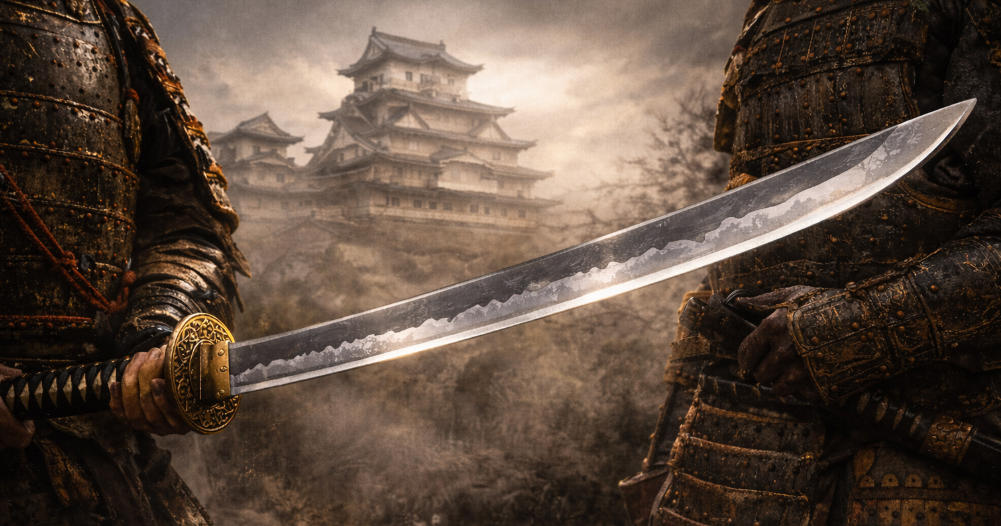
What Is the Honjō Masamune Sword and Why Is It Considered a Legendary Samurai Blade?
In the world of Japanese sword culture, one blade stands above all others as a legendary masterpiece — Honjō Masamune. Renowned for its extraordinary craftsmanship and exceptional sharpness, it became a symbolic weapon of the Sengoku and Edo periods, widely regarded as the pinnacle representation of Bushido, the samurai code of honor.
More than a masterwork of swordsmithing, Honjō Masamune is also surrounded by mystery. Its disappearance has made it one of the most famous lost swords in history. This article explores:
-
What Honjō Masamune is
-
The historical background and craftsmanship of Masamune
-
The sword’s legendary transmission during the Sengoku and Edo periods
-
Its symbolic meaning and connection to Bushido
-
The mystery of its disappearance
-
Its influence in modern culture and collecting
I. What Is Honjō Masamune?
Honjō Masamune is a katana forged by the legendary Japanese swordsmith Masamune, widely considered one of the greatest masters in Japanese sword history. Living during the late Kamakura period (late 13th to early 14th century), Masamune created blades renowned for their exquisite hamon (temper line), exceptional sharpness, perfect structural balance, and artistic beauty.
Honjō Masamune was not merely a weapon — it symbolized authority, prestige, and honor. During the Sengoku and Edo periods, it was treasured by powerful samurai families and shoguns as a mark of status and legitimacy.
Because of its rarity and legendary background, the sword remains one of the most studied and admired masterpieces in Japanese sword culture today.

II. Masamune and the Pinnacle of Japanese Sword Craftsmanship
Masamune is often called the “God of Japanese Swords.” He elevated swordsmithing during the Kamakura era, a time when blade-making techniques reached maturity and innovation flourished.
Distinctive features of Masamune’s blades include:
-
Perfectly Balanced Structure — Carefully calibrated weight and length allowed effective cutting, thrusting, and defensive capability.
-
Unique Hamon Patterns — The temper line not only enhanced hardness and flexibility but also served as an artistic signature.
-
Advanced Steel Folding Techniques — Multiple forging and quenching processes created a blade both resilient and durable.
-
Unmatched Sharpness and Longevity — His swords maintained cutting power over long periods of use.
Masamune’s blades embodied both martial function and philosophical meaning, reflecting the values of loyalty, courage, honor, and responsibility central to Bushido.
III. Historical Legacy and Legends of Honjō Masamune
1. A Symbol of Power in the Sengoku Period
During the Sengoku period — an era of prolonged warfare — powerful weapons were highly prized. Honjō Masamune served as a family heirloom among influential samurai clans, representing strength and authority.
It was not only a battlefield weapon but also a ceremonial and symbolic blade, reinforcing political legitimacy.
2. A Mark of Honor in the Edo Period
With the peace of the Edo period, the sword transitioned from battlefield use to a symbol of noble prestige. Shoguns and elite samurai treasured it as a representation of heritage and status.
Its transmission through generations made it an important artifact for understanding samurai hierarchy and feudal traditions.
IV. Symbolism and Bushido
Honjō Masamune’s legendary status lies not only in craftsmanship but also in its deep cultural symbolism.
Symbol of Authority and Glory
The sword represented:
-
Status and Identity — Ownership indicated elevated social rank.
-
Honor and Prestige — A visible emblem of warrior glory.
-
Historical Legacy — Each generation added to its narrative.
Embodiment of Bushido
The blade’s strength, balance, and refined beauty reflected core samurai virtues:
-
Loyalty
-
Courage
-
Honor and Dignity
-
Wisdom and Decisiveness
Every strike symbolized discipline and moral conviction, making the sword a physical manifestation of samurai ideals.

V. The Mystery of Its Disappearance
Despite its prominence, Honjō Masamune mysteriously vanished in modern history and remains missing to this day.
Several theories exist:
-
It was secretly preserved by a samurai family.
-
It was lost during wartime or political upheaval.
-
It entered a private international collection and remains undisclosed.
Its disappearance has become one of Japan’s most intriguing historical mysteries.
VI. Influence in Modern Culture and Collecting
Even as a lost blade, Honjō Masamune continues to influence global culture.
Film and Animation
Legendary swords inspired by Masamune frequently appear in samurai epics and anime.
Video Games
It is often depicted as a mythical “ultimate weapon” in role-playing games.
Collecting and Research
Scholars and collectors continue to study Masamune’s techniques, making his name synonymous with excellence in Japanese blades.
VII. Conclusion: A Legend That Endures
Honjō Masamune represents the height of Japanese sword craftsmanship, the embodiment of Bushido, and a lasting historical legend. Though its physical whereabouts remain unknown, its story continues to captivate historians, collectors, and martial arts enthusiasts worldwide.
The mystery surrounding Honjō Masamune ensures that its legacy will endure for generations to come.

