


Sword Cane Guide: History, Types, and How to Choose the Perfect Cane
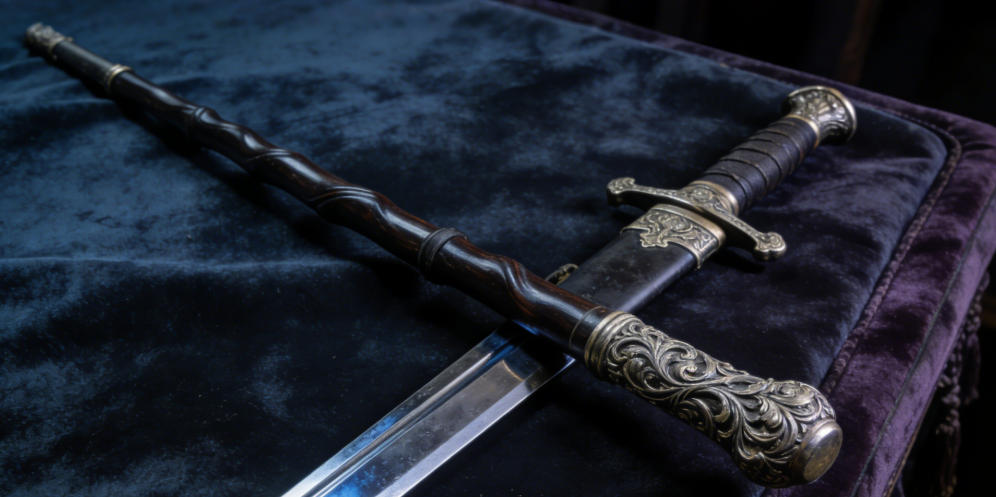
What Is a Sword Cane and How Do You Choose the Right One for Self-Defense or Collecting?
The Sword Cane is a weapon that cleverly integrates a walking cane / walking stick with a sword, providing both support for walking and a functional self-defense tool. With the rise of modern collecting culture and cosplay trends, searches for sword canes for sale, walking canes with swords, and cane swords have surged, making Sword Canes a highly sought-after item among sword enthusiasts and collectors.
Are Sword Canes Real?
Yes, Sword Canes are real weapons with a long history, blending practicality, artistry, and elegance.
The Historical Origins of the Sword Cane
The Sword Cane, also known as a Cane Sword or Sword Stick, dates back to the European Renaissance and earlier. At that time, carrying a walking cane was a symbol of status for gentlemen in public. To protect themselves from sudden attacks or robberies, swords were cleverly hidden inside the cane, preserving the elegant appearance while offering a self-defense function.
From the 17th to 19th centuries, Sword Canes became a common personal defense tool among nobles, particularly in major cities like London and Paris. Many were exquisitely crafted, featuring sharp blades and intricately decorated sword hilts and pommel ends, combining artistry and practicality.
Over time, the Sword Cane evolved to serve multiple purposes:
-
Ceremonial and Status Symbol: Carrying a Sword Cane was seen as a mark of elegance, refinement, and social standing.
-
Martial Training: Some Sword Canes were used for swordsmanship demonstrations or Kenjutsu (Japanese sword techniques) practice, becoming a training tool for martial arts enthusiasts.
-
Collecting and Display: Modern collectors especially value Damascus blade Sword Canes or canes with elaborately carved hilts, both for displaying historical craftsmanship and as prized collectibles.
The Sword Cane embodies both the wisdom of self-defense and the aesthetics of elegance. Today, sword canes for sale / cane swords continue this tradition, combining defensive functionality with modern craftsmanship and collectible artistry, giving new life to this classic weapon.

Anatomy and Components of a Sword Cane
The Sword Cane / Cane Sword / Sword Stick is unique because it combines the structure of a walking cane with a complete sword anatomy. Although it appears to be a standard walking cane, inside is a fully functional sword. From the sword blade to the sword hilt and the scabbard / sword sheath, each component is carefully designed to ensure both practical use and collector appeal. Understanding these parts of a sword / sword parts helps collectors appreciate the craftsmanship and design of Sword Canes.
1. Sword Blade
The sword blade is the core of the Sword Cane and determines the weapon’s performance. High-quality Sword Canes usually use high-strength steel or carbon steel, while premium collector models often feature Damascus blades.
Damascus steel is renowned for its distinctive wavy patterns and excellent hardness, making it both sharp and durable. It is widely used in collector-grade sword blades and high-end damascus knives.
Typically, Sword Cane blades are slightly shorter and slimmer than traditional combat swords, maintaining balance and flexibility when drawn. In many anime and films, such as sword anime or blade anime, the concept of hidden weapons draws inspiration from Sword Cane design, adding mystery and cultural appeal.
2. Scabbard / Sword Sheath
The scabbard protects the blade and is a vital component of the Sword Cane. Made from wood, metal, or composite materials, the scabbard safeguards the blade and allows for smooth drawing.
Understanding scabbard definition and scabbard meaning helps clarify its role in sword structure. Traditional scabbards often serve decorative purposes as well, with carvings, metal fittings, or leather covers enhancing artistic value.
In Sword Canes, the scabbard is hidden inside the cane body, requiring precision engineering to ensure that the sheath sword mechanism is stable and safe.
3. Sword Hilt / Handle
The hilt is the part that the user holds and directly affects control and handling. The sword hilt usually includes the grip, guard, and pommel, forming the essential handle of a sword.
In Sword Canes, the hilt also functions as the cane handle, so it must balance comfort and stability:
-
Gripped part of a sword: The area held by the hand, often wrapped in wood, leather, or metal for better grip.
-
Hilt of a sword: Connects the blade to the grip and stabilizes the sword.
-
Sword handle: The entire holding area, influencing control and maneuverability.
High-end Sword Canes often feature decorative carvings or metal inlays on the hilt, making them visually striking and artistic.
4. Pommel and Balance
The pommel is the end of the hilt and helps balance the sword and secure the handle. Many classic swords feature ornate pommel sword designs, such as spherical, gemstone, or engraved styles. In Sword Canes, the pommel of a sword often doubles as the cane’s top decoration, adding elegance.
The pommel improves balance, making the sword blade more stable during motion.
5. Cane Body (Walking Stick with Sword)
The cane body, also called a walking stick with sword or cane sword, is the visible part of the Sword Cane. It is usually made from wood, carbon fiber, or metal to ensure strength during daily use. Its appearance is nearly identical to an ordinary cane, making it historically a concealed self-defense weapon.
Modern Sword Canes focus on both practicality and aesthetics:
-
Carved decorative patterns
-
Vintage Victorian-style canes
-
Modern tactical-style Sword Canes
These designs elevate the Sword Cane from a weapon to a collectible cultural artifact.
6. Overall Design and Sword Culture
Overall, the Sword Cane is a fusion of traditional sword anatomy (parts of sword) and everyday utility.
Unlike weapons like halberds or swordspears, Sword Canes emphasize concealment, elegance, and refinement rather than battlefield lethality.
In modern sword culture, Sword Canes are not only functional but also collectible and artistic. Collectors study various sword designs, types of swords, kinds of swords and regard Sword Canes as one of the most unique sword types.
With the rise of film, games, and anime, hidden weapons continue to appear in sword anime and blade anime, keeping Sword Cane culture alive in modern pop culture.


