


Damascus Steel Explained: History, Swords, and Modern Knives
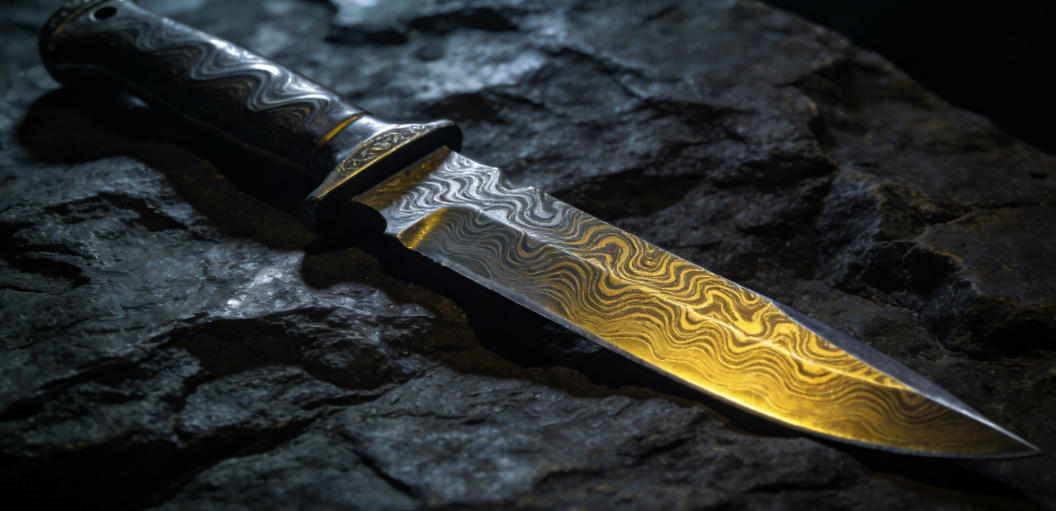
What Is Damascus Steel? History, Swords, Knives, and How It’s Made
Damascus steel (Damascus Steel) has long been one of the most legendary materials in the history of metallurgy. Renowned for its distinctive wavy patterns, high hardness, and exceptional sharpness, it has been highly prized in ancient sword making and modern high-end kitchen knives alike. From the definition of what is Damascus steel to its history, forging techniques, applications, and maintenance, this guide provides a comprehensive look at the mysteries of Damascus steel.
What is Damascus Steel?
Damascus Steel is a type of steel celebrated for its unique 'watered' or 'wavy' patterns. These patterns are not just visually striking—they reflect the complex metallurgical structure within the steel. The history of Damascus steel dates back to approximately the 3rd century in the Middle East, representing the pinnacle of ancient sword-making technology. Thanks to its outstanding sharpness, hardness, and toughness, this steel was widely used to craft high-quality swords, longswords, daggers, and other precision weapons and tools.
The term “Damascus” comes from the ancient Syrian capital, Damascus, which served as a major trading and forging center for this steel. During the Middle Ages, Wootz steel from India was transported to Damascus, where local artisans repeatedly forged, folded, and heat-treated it to produce the steel known worldwide today.
Historically, Damascus steel was not only popular in the Middle East but also spread through the Silk Road and trade networks to Europe, South Asia, and other parts of Asia, becoming a preferred material for the swords and ceremonial weapons of nobles, knights, and warriors. Its distinctive patterns, exceptional performance, and durable properties made Damascus steel a long-standing symbol of craftsmanship, power, and status.
Furthermore, the forging techniques of Damascus steel were once highly guarded secrets, passed down through generations of artisans. This created a legendary fusion of sword-making and cultural artistry, where the steel’s intricate patterns and razor-sharp edges made it not merely a functional material but also a work of art with collectible value.
Today, Damascus steel is still widely used, not only for swords and weapons but also for high-end kitchen knives, collectible knives, and handcrafted art pieces, making it a classic representation of modern metalworking and cutlery design.

The Origin and History of Damascus Steel
Ancient Damascus steel was closely associated with a high-carbon steel known as Wootz Steel. Originally produced in the Indian subcontinent and Sri Lanka, Wootz steel was celebrated for its high carbon content and pure metallic composition. After meticulous smelting, Wootz steel was transported via the Silk Road and maritime trade routes to the Middle East, particularly Damascus, where local swordsmiths repeatedly forged, folded, and heat-treated it to produce blades that were both sharp and resilient, with uniquely patterned surfaces.
The carbon-rich composition of Wootz steel allowed Damascus steel to achieve an ideal balance of hardness, toughness, and edge retention. Through repeated heating, hammering, and folding, a complex metallic lattice formed within the blade, making the edge extremely sharp while absorbing impact to reduce the risk of breakage. For this reason, Damascus steel swords were historically hailed as 'unmatched weapons of war.'
One of the most remarkable features of Damascus steel is its distinctive wavy patterns, which not only provide aesthetic appeal but also reveal the multi-layered internal structure of the steel—a perfect symbol of craftsmanship and strength. Ancient swordsmiths guarded the forging process closely, often using apprenticeship and generational transmission, making the technique rare and mysterious over time. Although the original forging methods have largely been lost, Damascus steel continues to hold enduring value as a legendary cultural and artisanal symbol.
Historical texts from the Middle East and Europe often praised Damascus steel as the ideal companion for warriors, used both in battle and as a symbol of status, power, and honor. Its legacy extended beyond sword-making, deeply influencing weapon craftsmanship, metallurgical advances, and metal artistry. Today, the history of Damascus steel remains a subject of fascination for sword enthusiasts, collectors, and artisan knife makers.
What Makes Damascus Steel Unique?
So, what is the defining characteristic of Damascus steel? More than just a material, Damascus steel represents a legendary metal that combines craftsmanship, performance, and aesthetics. Its uniqueness can be explained in several key aspects:
🔹 Distinctive Watered Patterns
The most striking feature of Damascus steel is the wavy pattern on the blade, sometimes resembling flowing water, fine silk threads, or cloud-like swirls. These patterns are not merely decorative—they result naturally from repeated heating, hammering, welding, and folding during the forging process.
-
Each hammering and folding step creates interwoven layers of carbides within the steel, making the blade both hard and resilient.
-
The clarity and complexity of the pattern directly reflect the skill of the craftsman and the selection of materials; high-quality Damascus steel exhibits layered patterns with depth and contrast, balancing beauty and functionality.
-
This visual effect makes every blade unique, enhancing its value as a collectible and artistic masterpiece.
🔹 Exceptional Performance Balance
Damascus steel achieves a perfect balance of hardness, toughness, and sharpness:
-
Sharpness: The high-carbon core and layered structure allow the blade to maintain a keen edge for extended periods, even under heavy use.
-
Toughness: The folded, layered structure absorbs shocks, reducing the risk of chipping or breaking.
-
Durability: The multi-layered composition enhances wear resistance and helps resist corrosion from daily use.
As a result, Damascus steel blades are suitable not only for precision cutting and kitchen work but also for tactical knives and combat swords, exemplifying a harmony of functionality and reliability.
🔹 Artistry and Functionality Combined
Damascus steel blends visual artistry with practical functionality:
-
Aesthetic appeal: The blade’s patterns are flowing and dynamic, making each piece a unique work of art.
-
Practicality: The combination of layered steel and a high-carbon core ensures exceptional performance in cutting, chopping, and thrusting.
-
Collectible value: Its historical legacy and distinctive aesthetics make Damascus steel highly sought after by collectors and enthusiasts.
Modern Damascus steel continues to influence kitchen knife design, outdoor knives, and high-end tactical blades, demonstrating its timeless practicality and artistic value. Every Damascus steel blade represents a perfect fusion of history, craftsmanship, and modern technology.

Modern Damascus Steel: Laminated and Forging Techniques
Although the original forging techniques of ancient Damascus steel have been gradually lost over time, modern artisans have successfully recreated blades and knives similar to Damascus steel using advanced metallurgy, heat treatment, and precision forging. Today’s Damascus steel not only inherits the hardness, sharpness, and toughness of its historical predecessor but also incorporates enhanced material stability and decorative aesthetics, making it highly sought after in collectible knives, kitchen cutlery, and tactical blades.
Modern Damascus steel is typically produced using the following techniques:
🛠️ Laminated Damascus Steel (Modern Patterned Steel)
This method is the most common approach for creating contemporary Damascus steel. The process usually involves:
-
Layering multiple steels: Alternating layers of high-carbon steel with low-carbon or alloy steel to achieve a balance of sharpness and toughness.
-
Repeated forging and folding: Through multiple cycles of heating and hammering, the steel forms a complex layered metallic structure, providing excellent strength and durability for the blade.
-
Etching or polishing to reveal patterns: After forging, chemical etching or polishing highlights the distinctive wavy patterns, giving the blade both visual appeal and recognition.
Laminated Damascus steel preserves the visual style of ancient Damascus steel while improving performance consistency for modern knives. Its signature water-like or cloud-like patterns not only enhance aesthetics but also indicate the multi-layered structure and strength distribution within the steel.
🔩 Core Damascus (San Mai + Cladding Technique)
Core Damascus steel uses a sandwich-style structure (San Mai), enclosing a high-carbon steel core with layers of laminated steel or stainless steel. This design offers several key advantages:
-
Sharpness and durability: The high-carbon core maintains a razor-sharp edge, while the outer layers provide impact resistance and corrosion protection.
-
Aesthetic patterns: Etching or polishing the outer layers reveals clear, visually striking patterns that complement the internal structure.
-
High-end custom appeal: This technique is often applied to premium kitchen knives, collectible knives, and custom blades, making them highly recognizable and valuable in the knife market.
Modern core Damascus techniques allow craftsmen to preserve traditional aesthetic styles while meeting modern performance standards. Whether for high-end chef’s knives or collectible artisan blades, San Mai core Damascus is considered one of the pinnacle techniques of contemporary Damascus steel.
From Swords to Cutlery: The Versatility of Damascus Steel
⚔️ Historical Swords
In ancient times, swordsmiths across the Middle East, Asia, and Europe sought Damascus steel for its combination of sharpness and toughness, producing legendary combat blades and ceremonial swords.
🔪 High-End Kitchen Knives and Cutlery
Today, Damascus steel has extended beyond weaponry into professional kitchen knives, premium cutting tools, and collectible knives. Its sharp edges, durability, and unique patterns make it a favorite among chefs and knife collectors alike.
How to Identify Genuine Damascus Steel
When purchasing, consider these factors to ensure you are buying authentic Damascus steel:
✔ Verify that the patterns come from true layered steel, not laser-etched decoration
✔ Research the craftsman or brand (hand-forged blades or reputable knife makers are more reliable)
✔ Observe the price and craftsmanship (genuine Damascus steel rarely comes at very low prices)
Care and Maintenance for Damascus Steel
To prolong the life of your Damascus steel blades or knives, follow these maintenance tips:
🗡️ Swords and Blades
-
Clean and dry immediately after use
-
Apply a thin layer of protective oil regularly to prevent rust
-
Avoid prolonged exposure to moisture or sweat
🔪 Kitchen Knives
-
Hand wash and dry immediately; do not place in a dishwasher
-
Regularly apply food-safe mineral oil to the blade
-
Sharpen using appropriate whetstones or sharpening tools
These practices help keep Damascus steel sharp, beautiful, and durable.
Hand Forged Japanese Wakizashi Sword Damascus Folded Steel Full Tang

Conclusion: Why Damascus Steel Never Goes Out of Style
What is Damascus steel? It is not only a historical topic but also a model of modern craftsmanship and aesthetic fusion. Its unique patterns, exceptional performance, and cultural significance ensure a lasting presence in knife collecting, cutlery manufacturing, and metal artistry.
From a warrior’s sword to a chef’s carving knife, Damascus steel has spanned millennia, continuing to influence the world with its unparalleled charm. If you are seeking high-end knives, collectible swords, or artisanal masterpieces, understanding Damascus steel will help you make informed choices and find truly exceptional pieces to treasure.

