


Types of Swords Around the World: Famous Sword Types and History
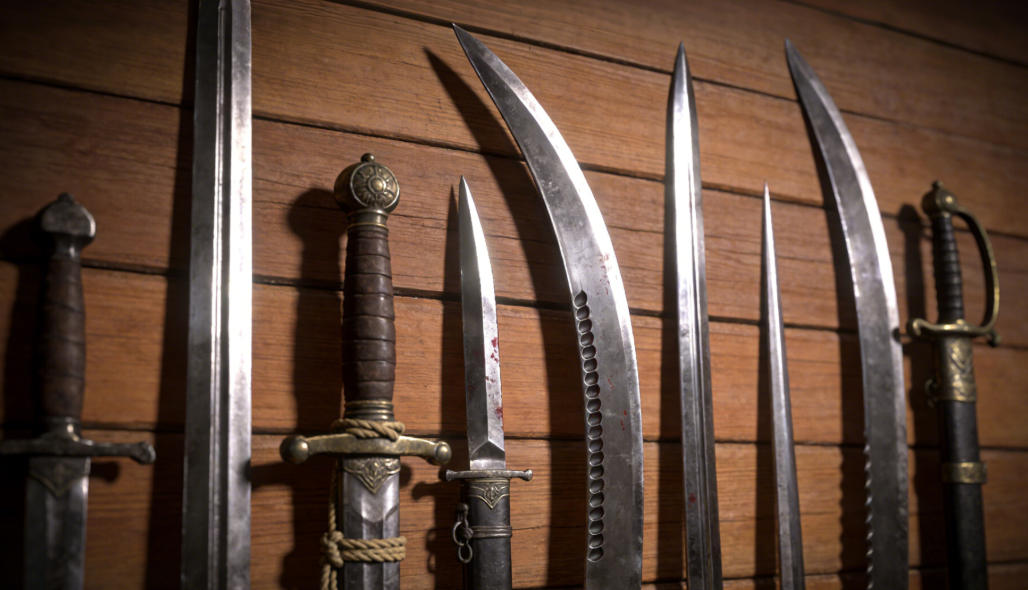
What Are the Different Types of Swords Around the World?
Throughout the history of warfare and weapon development, the sword has remained one of the most iconic melee weapons ever created. From Roman legions to Japanese samurai, from medieval European knights to traditional Eastern martial cultures, civilizations around the world developed many unique blades. Because of this diversity, historians and weapon researchers categorize these weapons into many types of swords.
Due to differences in geography, warfare tactics, metallurgy, and cultural traditions, history has produced a wide variety of different types of swords. These different sword types vary in blade length, edge design, guard structure, and combat use. As a result, numerous distinctive kinds of swords have emerged throughout history.
This guide explores some of the most famous different kinds of swords in the world and explains their design features, historical background, and battlefield roles.
What Is a Sword
A sword is a bladed melee weapon consisting of several key components, including the blade, spine, tip, guard, and hilt. It is primarily designed for slashing, thrusting, or a combination of both combat techniques. Compared to daggers or knives, swords typically have longer blades, giving warriors greater reach and combat advantage in close-quarters battle.
Structurally, swords are generally divided into single-edged swords and double-edged swords. Single-edged swords are usually optimized for powerful slashing attacks, while double-edged swords are more versatile and capable of both cutting and thrusting. Because of this structural diversity, many different sword types have developed across civilizations. For example, the Japanese katana and Chinese dao are classic single-edged blades, while European knightly swords and Roman gladius are usually double-edged designs.
Throughout history, the evolution of swords has closely followed changes in warfare. As military tactics, metallurgy, and armor technology evolved, so did the design of different types of swords. Roman soldiers favored short, strong swords for use in tight infantry formations, medieval knights carried longer blades to fight armored opponents, and cavalry forces often used curved swords to deliver powerful slashing attacks from horseback.
Beyond their battlefield role, swords also carried strong symbolic meaning in many cultures. In medieval Europe, a knight’s sword symbolized loyalty and honor. In Japan, the katana was considered the “soul of the samurai.” In traditional Chinese culture, swords were associated with martial arts, heroism, and scholarly ideals. Because of this, swords became more than weapons—they became cultural symbols.
Over time, different civilizations created many different sword types to meet specific combat needs. Some blades were designed primarily for thrusting, others emphasized heavy cutting power, while certain swords were built for cavalry combat or noble dueling. Differences in length, weight, curvature, and guard design gradually led to the creation of numerous different kinds of swords.
Eventually, scholars began classifying these weapons systematically according to blade structure, purpose, and historical origin. This process created the modern system used today to categorize types of swords, helping historians, collectors, martial artists, and enthusiasts better understand the many kinds of swords developed across human history.

Common Types of Swords
Throughout world history, humans have created countless types of swords. These weapons evolved from ancient civilizations through the medieval period and into early modern warfare, producing a vast variety of different types of swords. Whether it is the European medieval sword or the legendary true katana used by samurai, every blade reflects the warfare style and craftsmanship of its culture.
During the ancient and medieval eras, weapons were forged in medieval smithy workshops. Skilled blacksmith medieval ages craftsmen shaped metal through forging, quenching, and grinding to create durable and razor-sharp real swords. Many of these weapons became famous historical blades, often remembered today as legendary famous swords.
Below are some of the most well-known different sword types in history.
Longsword
The Longsword (also known as long sword or longer sword) is one of the most iconic medieval swords of Europe and a defining symbol of knightly culture.
A typical medieval sword of this type features a blade between 90 and 120 centimeters long, combined with a cross-guard and an extended grip that allows both one-handed and two-handed use. Because of this flexible design, the longsword can perform powerful cuts as well as precise thrusts, making it one of the most versatile weapons for combat sword fighting.
On medieval battlefields, longswords were often used alongside other middle aged weapons, including polearms, war axe, halberd, and battle axe axe. Soldiers selected weapons based on battlefield needs, but longswords remained one of the most balanced and practical options.
Larger two-handed blades such as the greatsword, claymore sword, and the famous zweihander (or zweihänder) evolved from the longsword tradition. These massive giant sword or big sword weapons were capable of breaking enemy formations and are often considered some of the coolest swords ever created.
Gladius
The Gladius was the iconic weapon of Roman legions and one of the most successful short swords in history.
This real sword typically measured between 45 and 60 centimeters and featured a strong, broad blade optimized for thrusting attacks. Roman soldiers used shields for protection while striking quickly with the gladius in tight formations.
The gladius later influenced many European different sword types. For example, the Roman cavalry sword known as the spatha sword (or spatha) was a longer blade that eventually influenced the development of medieval knightly swords.
In ancient Greece, similar weapons existed such as the xiphos sword, a classic greek sword used by warriors in ancient greece swords traditions. Spartan warriors famously carried these blades, which is why the weapon is sometimes referred to as a spartan sword.
Katana
The Katana is one of the most famous swords in the world and one of the most recognizable types of one edged swords.
A true true katana is traditionally hand-forged by master swordsmiths using repeated folding and precise heat treatment. Because of this craftsmanship, the katana is widely regarded as one of the finest true swords ever produced. Many historians also consider it one of the most culturally significant famous swords.
In martial arts training, practitioners often use a bokken or wooden sword for practice. This bokken sword, sometimes called a wooden katana, allows safe training for combat sword fighting techniques.
Samurai also used several related blades, including:
-
kodachi (little katana)
-
bamboo sword used in kendo training
-
nagamaki, a long-handled sword weapon
Together, these weapons represent a unique category of different kinds of swords in Japanese weapon culture.
Viking Sword
The Viking sword, also called a norse sword, was the primary weapon of Viking warriors.
These swords usually had a straight double-edged blade between 70 and 90 centimeters long, making them effective for both cutting and thrusting. Viking swords were commonly used together with shields in combat.
Many Viking blades featured elaborate decorations such as engraved runes or metal inlays. As a result, these weapons were not only functional real sword weapons but also artistic creations.
Because of their appearance and legendary reputation, Viking swords are often considered among the most iconic and coolest swords in history.

Rapier
The Rapier sword became popular in Europe during the 16th and 17th centuries.
Unlike earlier cutting swords, the rapier was primarily designed for thrusting. Its long and slender blade made it ideal for dueling and civilian self-defense, which is why it became one of the most elegant different sword types of the Renaissance era.
Modern fencing sports such as foil fencing and epee fencing evolved from rapier sword techniques.
There were also many rapier variations throughout history, which is why people often ask what are famous types of rapiers. Some examples include the spanish sword and the off-hand dagger known as main gauche, which was commonly paired with the rapier.
Sabre
The Sabre is a curved single-edged sword and a classic example of a curved sword.
Its curved blade allows cavalry soldiers to deliver powerful slashing strikes while riding at high speed, making the sabre a favorite weapon among many mounted armies.
Similar curved blades were also widely used in the Middle East, such as the scimitar. Many people search for the scimitar meaning to understand the historical significance of this weapon.
The Middle East also produced other famous curved blades, including:
-
jambiya or jambiya knife
-
kris sword or kris dagger
-
khopesh sword
These weapons represent additional different types of swords developed in various cultures.
Eastern Swords: Different Kinds of Swords
Beyond European weapons, Asia also developed a rich variety of different sword types.
Chinese Sword (Jian)
The Jian sword is one of the most classic double-edged swords in Chinese history.
This double-edged sword features a straight blade suitable for both thrusting and cutting. Many historical Chinese swordsman used the jian for combat and martial arts training.
In the traditional Chinese weapons system, besides the Chinese sword, there are many other famous Chinese weapons, such as:
-
Chinese spear
-
Chinese rod sword
-
Various pole weapons
Together, these weapons form an important part of Chinese martial culture.
Japanese Tachi
The Tachi is a Japanese curved sword that appeared before the katana.
This sword typically has a more pronounced curve and was primarily used by cavalry. Over time, the katana gradually replaced the tachi as the main weapon of the samurai.
Many historical famous samurai carried this real sword into battle.
Nagamaki
The Nagamaki is a Japanese weapon with an extended handle.
Its blade is similar to a katana, but the long grip allows for more powerful slashing attacks. Because this weapon combines elements of both a sword and a polearm, it played a unique role on the battlefield.
During Japan’s medieval wars, nagamaki was often used alongside other weapons such as spears and bows, making it a distinctive example of different kinds of swords.
These historical weapons show that humans created numerous different sword types across cultures and warfare environments. From European medieval swords to Japanese katanas and Chinese jian, each real sword reflects the technology and culture of its era.
Types of One-Edged Swords
Among all types of swords, single-edged swords are the most common category.
Typical types of one edged swords include:
-
Katana
-
Sabre
-
Dao
-
Messer
Single-edged swords are generally optimized for cutting attacks, making them highly effective in cavalry battles and fast combat. Many military cultures developed their own single-edged sword types, resulting in a wide range of different sword types.
Why There Are So Many Different Sword Types
The vast number of different types of swords in history is mainly due to the diversity of warfare and technological development in different regions.
For example:
-
Roman legions required short swords for formation combat
-
European knights needed long swords to fight armored opponents
-
Japanese katanas emphasized fast, precise cutting
-
Cavalry units favored curved swords for mounted combat
These varied needs drove humans to create a wide array of different kinds of swords.
Conclusion
Throughout history, humans have created countless types of swords, with each sword representing the combat style and cultural traditions of its time.
Common different sword types include:
-
Longsword
-
Gladius
-
Katana
-
Rapier
-
Sabre
-
Viking Sword
-
Dao
These kinds of swords are not only weapons of war but also significant cultural heritage of human civilization.
By studying these different types of swords, we can gain a deeper understanding of weapon evolution as well as the military strategies and technological advancements of various civilizations.

