


Sanada Nobuyuki Samurai Armor: History, Design & Bushido Spirit
- Posted by COOLKATANA
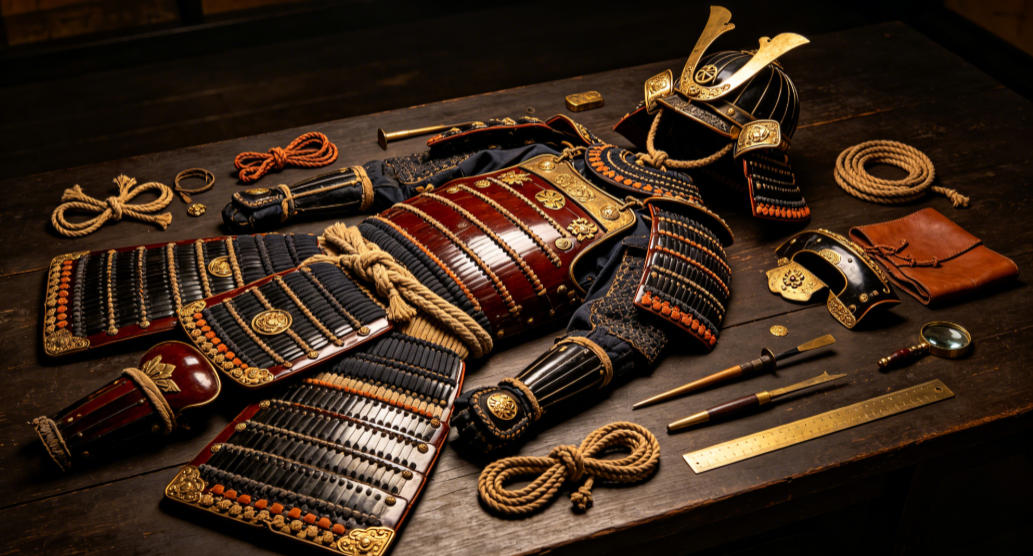
What Makes Sanada Nobuyuki Samurai Armor a Symbol of Japanese Samurai Honor?
Why Has Sanada Nobuyuki Samurai Armor Become an Iconic Symbol of Japanese Samurai Culture?
During Japan’s Sengoku period, countless warriors left behind legendary stories through their courage, wisdom, and loyalty. Among them, Sanada Nobuyuki stands as one of the most representative samurai figures in Japanese history. As an important successor of the Sanada clan, he was not only known for his exceptional political ability and military leadership but also respected for his strong samurai spirit and sense of loyalty.
Among the many traditional Japanese warrior equipment, Sanada Nobuyuki Samurai Armor represents the perfect combination of a Sengoku warlord’s identity, family honor, and Japanese armor craftsmanship. This classic Japanese Samurai Armor was not merely battlefield protection but also a cultural symbol that reflected the honor of the samurai class, the heritage of the Sanada clan, the prestige of Sengoku warriors, and the craftsmanship of traditional Japanese armor making.
Today, with the growing popularity of Japanese history, samurai films, video games, and collector markets, keywords such as Sanada Samurai Armor, Samurai Armor Replica, and Japanese Warrior Armor have gained increasing attention among history enthusiasts and collectors worldwide.
Who Was Sanada Nobuyuki? A Legendary Sengoku Warrior with Wisdom and Martial Ability
Sanada Nobuyuki was a famous Japanese warrior who lived during the turbulent Sengoku period. He was the eldest son of the renowned warlord Sanada Masayuki and the older brother of the legendary samurai Sanada Yukimura, who was later known as the 'Hero of Japan.'
Unlike his younger brother Yukimura, who became famous for his fearless battlefield charges and heroic sacrifices, Sanada Nobuyuki was recognized for his calm judgment, political intelligence, and excellent leadership skills. In an era filled with constant conflicts between powerful daimyo, Nobuyuki survived through strategic thinking and careful decisions, ensuring the survival and prosperity of the Sanada family.
The Sengoku period was an age when Japanese lords fought continuously for territory and influence. Warriors needed not only physical strength but also diplomacy, strategy, and leadership. In this challenging environment, Sanada Nobuyuki demonstrated exceptional ability in managing complicated political relationships and making critical decisions that shaped the future of his clan.
Sanada Nobuyuki was deeply influenced by his father, Sanada Masayuki, a brilliant strategist who was often described as a master tactician of the Sengoku era. Under his father’s guidance, Nobuyuki learned military command, land management, and diplomatic strategies among powerful Japanese clans, building the foundation for his future achievements.
Unlike Sanada Yukimura, Nobuyuki chose a more stable and practical path. Rather than seeking battlefield glory alone, he focused on protecting his family’s future and maintaining political stability. During the famous Battle of Sekigahara, the Sanada family faced a difficult decision. Nobuyuki supported Tokugawa Ieyasu’s Eastern Army, while his father Masayuki and brother Yukimura joined the Western Army. Although the family was divided by political choices, Nobuyuki’s decision helped preserve the Sanada lineage and status.

The most admirable qualities of Sanada Nobuyuki were his loyalty, responsibility, and patience. He was not only a skilled military commander but also an excellent ruler who valued the welfare of his people and worked to maintain the prosperity of his domain.
His life represents important values of Japanese samurai culture:
- Loyalty (Chugi): Remaining committed to one’s duty and responsibility;
- Honor (Meiyo): Maintaining dignity even during difficult times;
- Responsibility (Sekinin): Carrying important duties for family and territory;
- Family Pride (Kazoku no Hokori): Protecting the traditions and reputation of the Sanada clan.
Because of these qualities, Sanada Nobuyuki is often regarded as a “strategist-type samurai.” If Sanada Yukimura represents battlefield courage and sacrifice, then Sanada Nobuyuki represents the samurai ideals of wisdom, patience, and long-term vision.
In modern Japanese culture, Sanada Nobuyuki continues to attract attention through historical novels, dramas, video games, and samurai-themed works. Many history enthusiasts study him when exploring Bushido, Sengoku Samurai culture, and Japanese Samurai Armor traditions.
Because of his unique historical position, Sanada Nobuyuki Samurai Armor has become a classic theme among Japanese armor collectors. The armor represents not only the identity of a Sengoku warrior but also the honor of the Sanada clan, the spirit of Bushido, and the craftsmanship of traditional Japanese armor.
Design Features of Sanada Nobuyuki Samurai Armor
A samurai’s identity was represented not only by his sword but also by the armor he wore. Japanese Samurai Armor combined battlefield protection, visual authority, and clan symbolism.
Traditional Japanese samurai armor consisted of multiple components, including:
- Kabuto (Samurai Helmet)
- Do (Chest Armor)
- Sode (Shoulder Guards)
- Haidate (Thigh Protection)
- Kusazuri (Waist Armor)
This complete armor system protected the warrior while also displaying his rank, status, and family identity.
The Sanada clan was famous for its unique symbols, especially the Six Coins Symbol (Rokumonsen). This emblem represented the belief that the warriors of the Sanada clan were prepared to face death without fear. In Japanese samurai armor design, family symbols were not simple decorations but represented lineage, beliefs, and battlefield honor.
Therefore, Sanada Nobuyuki’s armor was more than protective equipment—it was a cultural symbol representing the history and spirit of the Sanada family.
Sanada Nobuyuki Samurai Armor and the Spirit of Bushido
Japanese samurai armor was not only created for defense but also carried the spiritual values of the samurai class.
One of the most important samurai principles was loyalty. Throughout the unstable Sengoku era, Sanada Nobuyuki demonstrated responsibility and dedication while facing difficult political choices, making him an important example in the study of Japanese warrior culture.
The Bushido philosophy emphasized courage, honor, and responsibility. Samurai were not only expected to achieve victory but also to follow their beliefs and maintain their dignity.
The spirit represented by Sanada Nobuyuki Samurai Armor includes:
- Remaining faithful during hardship;
- Accepting responsibility for family and people;
- Protecting personal honor;
- Maintaining determination and discipline.
These values became essential elements of traditional Bushido, the code of the Japanese samurai.
Differences Between Sanada Nobuyuki Armor and Sanada Yukimura Armor
Many people confuse the armor styles of Sanada Nobuyuki and Sanada Yukimura, but they represent different personalities and meanings.
Sanada Nobuyuki Samurai Armor emphasizes stability, leadership, and the dignity of a clan successor. Its design reflects a mature warrior and political leader.
Sanada Yukimura Samurai Armor focuses more on battlefield spirit and heroic combat. The famous red armor style symbolizes bravery, passion, and fearless fighting.
Although both armors represent the Sanada family, they express different aspects of samurai ideals:
- Nobuyuki represents wisdom, responsibility, and strategic leadership.
- Yukimura represents courage, sacrifice, and battlefield glory.

History of Japanese Samurai Armor: From Noble Warrior Protection to Symbols of Samurai Honor
Japanese Samurai Armor developed over hundreds of years, transforming from practical battlefield equipment into powerful symbols of identity, family honor, and Bushido spirit.
Different historical periods reflected changes in warfare, technology, metalworking, and the development of the samurai class.
During the Heian Period, the samurai class began to rise, and warfare mainly focused on mounted archery. Early armor designs prioritized full-body protection and horseback mobility.
The most famous armor style from this period was the O-Yoroi (Great Armor).
O-Yoroi was made from many small metal plates and leather pieces connected with complex lacing techniques. It provided strong protection while displaying the high social status of noble warriors.
Characteristics of O-Yoroi included:
- Large shoulder protection;
- Heavy chest armor;
- Decorative colors and patterns;
- Clan symbols showing family identity.
For elite warriors, armor was not just protection—it was a symbol of heritage, status, and battlefield achievement.
As Japan entered the Kamakura Period and Muromachi Period, warfare became larger in scale, and fighting styles changed. Besides mounted archery, infantry battles and close-range sword combat became increasingly important.
New armor styles such as:
- Do-Maru
- Hara-Ate
became popular because they were lighter and provided greater mobility.
Compared with traditional O-Yoroi, these armors allowed warriors to move more freely while using weapons such as katana and spears.
Sengoku Period Samurai Armor: Combining Practicality and Warrior Prestige
During the Sengoku Period, Japan experienced continuous conflicts between powerful daimyo. Samurai armor entered a major stage of development.
Because battles involved larger armies, armor needed to provide strong protection while also being easier to produce and maintain.
This led to the rise of Tosei Gusoku, one of the most representative Japanese samurai armor styles of the Sengoku era.
Tosei Gusoku combined traditional armor techniques with the practical needs of large-scale warfare. It featured stronger defense, flexible construction, and diverse visual designs.
A typical Sengoku samurai armor set included:
- Kabuto Samurai Helmet: Protecting the head while displaying warrior identity;
- Mempo Samurai Mask: Providing facial protection and creating an intimidating appearance;
- Do Chest Armor: Protecting the torso;
- Sode Shoulder Armor: Protecting shoulders and arms;
- Kusazuri Waist Armor: Protecting the lower body;
- Haidate Thigh Armor: Protecting the legs.
Besides protection, samurai used armor colors, family crests, and helmet designs to express individuality.
Famous warriors such as Oda Nobunaga, Date Masamune, and Sanada Yukimura all had highly recognizable armor styles.
Sanada Nobuyuki lived during the final stage of the Sengoku era, when Japanese samurai armor reached its peak development. His representative Sanada Nobuyuki Samurai Armor combined battlefield practicality with the dignity of a powerful warrior family.
Why Are Sanada Nobuyuki Samurai Armor Replicas Popular Among Collectors?
With the global spread of Japanese history and samurai culture, Samurai Armor Replica has become a popular collectible category.
Collectors appreciate Sanada Nobuyuki armor because of its:
- Historical significance;
- Detailed craftsmanship;
- Cultural symbolism;
- Display value.
High-quality replicas often include:
- Metal chest plates;
- Detailed kabuto helmets;
- Family crest decorations;
- Traditional lacing techniques;
- Handcrafted components.
These replicas are suitable for:
- Japanese history collections;
- Samurai culture exhibitions;
- Home decoration;
- Photography;
- Film and cosplay displays.
How to Choose a High-Quality Japanese Samurai Armor Replica?
When purchasing a Japanese Samurai Armor Replica, collectors should consider materials, craftsmanship, historical accuracy, and overall design quality.
A premium samurai armor replica usually uses:
- Steel plates;
- Iron components;
- Brass decorations;
- Leather elements.
A high-quality reproduction should feature:
- Accurate historical proportions;
- Fine handcrafted details;
- Strong construction;
- Traditional Japanese decoration styles;
- Authentic Sengoku-era appearance.
The best replicas successfully recreate the identity of historical warriors while preserving the beauty of Japanese armor craftsmanship.
Handmade Life-Size Sanada Nobuyuki Clan Samurai Armor With Antlers

Sanada Nobuyuki Samurai Armor: Preserving the Spirit of Japanese Warriors
Sanada Nobuyuki Samurai Armor is more than a Japanese Sengoku armor set—it is a symbol of history, tradition, and warrior philosophy.
It represents the glory of the Sanada clan and reflects the core values of Japanese samurai culture: loyalty, courage, honor, and responsibility.
From the battlefields of the Sengoku era to modern collector markets, Sanada Nobuyuki armor continues to demonstrate the unique charm of Japanese warrior culture.
For Japanese history enthusiasts, samurai sword collectors, cosplay fans, and traditional craftsmanship lovers, a Sanada Nobuyuki Samurai Armor Replica is not simply a decorative item. It is a historical artwork that carries the spirit of the samurai and the legendary story of the Sanada family.

