


Norse Sword Explained: Viking Blade History, Design & Meaning
- Posted by COOLKATANA
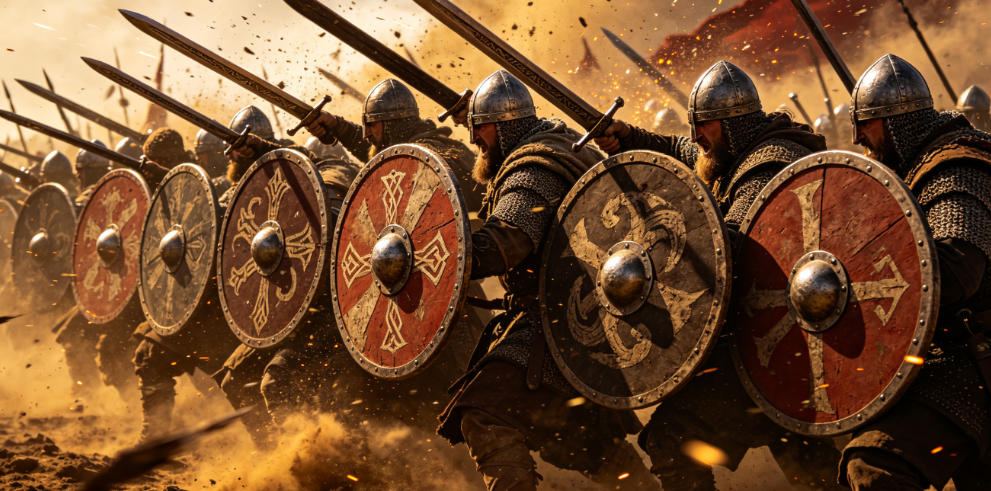
What is a Norse Sword and how did Vikings actually use it in battle?
In Norse mythology, Viking history, and medieval weapon culture, the Norse Sword remains one of the most iconic weapons of the Viking Age. It was not only carried by Viking warriors, but also embodied the warfare spirit, honor system, and survival philosophy of Northern Europe during the Viking Age.
With global search trends such as 'viking sword replica,' 'norse weapon history,' and 'medieval norse sword for sale' continuing to rise, the Norse Sword has become one of the most highly discussed Nordic weapons in historical research, collectible markets, and pop culture media.
What Is the Norse Sword? (Complete Viking Nordic Sword Explanation)
The Norse Sword generally refers to the double-edged straight sword used during the Viking Age. It evolved from earlier Roman sword designs and developed its own distinct Nordic identity across Northern Europe.
It was not only used by Viking warriors in battle, but also deeply integrated into Viking social structure and warfare culture.
In Norse society, the sword represented far more than a weapon. Owning a high-quality viking sword often symbolized wealth, status, and honor, and was closely tied to raids, naval warfare, and tribal conflicts. Therefore, the Norse Sword was not just a tool—it was an extension of a warrior’s identity.
Its core characteristics include:
- Double-edged straight blade (double-edged straight blade), designed for balanced cutting and fast offensive strikes, highly effective in close combat and chaotic battlefield conditions
- Wide and thick blade structure, providing stronger impact force and durability, especially effective in shield wall combat where continuous pressure and close-range engagement were essential
- Simple yet functional crossguard design, preventing enemy weapons from sliding toward the hand while maintaining structural durability in harsh battlefield conditions
- Round or oval pommel, used for balance and improved grip stability, allowing warriors to maintain control during prolonged combat
- A design philosophy focused on battlefield efficiency rather than decoration, reflecting the practical and survival-driven nature of Nordic sword culture
In search trends and historical discussions, this weapon is commonly referred to as:
- norse sword (most common general term)
- viking sword (emphasizing historical and warrior context)
- medieval nordic sword (used in academic and archaeological classification)
- northern european warrior sword (more cultural and descriptive usage)
These terms frequently appear in searches such as viking sword history, norse weapon explanation, and medieval sword replica, reflecting global interest in Viking warfare culture and Nordic historical weaponry.

Origins of the Norse Sword: Warfare and Expansion in the Viking Age
The Norse Sword originated between the 8th and 11th centuries during the Viking Age, one of the most expansion-driven and warfare-intensive periods in Northern European history.
During this era:
- Swords symbolized wealth and social status
- Only elite warriors or nobles could afford fully forged iron swords
- Weapons were used not only in combat but also in oaths and ceremonial rituals
Viking sword development was heavily influenced by Roman short swords and Germanic weapon designs, gradually forming a unique Nordic combat system. This evolution is often discussed in terms like 'viking age weapons evolution' and nordic sword history.
Norse Sword Structure Analysis (Design and Craftsmanship Details)
1. Wide Double-Edged Blade Design
The core structure of the Norse Sword is its wide and thick double-edged blade, designed specifically for Viking battlefield needs.
Key features include:
- Center-balanced weight distribution for more stable and powerful swings
- Wide blade profile ideal for shield wall combat, allowing strong frontal pressure
- Thick metal construction increases resistance to impact and repeated collision
- Optimized for close-range melee warfare in dense battlefield formations
This design made the Norse Sword extremely effective in viking shield wall combat, where warriors relied on coordinated defense and aggressive short-range strikes.
2. Practical Crossguard Structure
Compared to later medieval knight swords, the Norse Sword features a simpler but highly functional crossguard design.
Main characteristics:
- Straight horizontal crossguard providing basic hand protection
- Durable structure designed for harsh battlefield conditions
- Balanced design that does not interfere with swinging motion
- Focus on reliability over ornamentation or decoration
This reflects the core philosophy of Norse weapon design: function over aesthetics.
3. Nordic Grip Design
The grip of the Norse Sword reflects Viking practicality and combat efficiency rather than visual decoration.
Typical features include:
- Wooden core wrapped in leather or cord for enhanced grip and anti-slip performance
- Medium-length handle suitable for both single-hand combat and shield use
- Rough, functional surface treatment designed for wet and cold environments
- Reduced hand fatigue during prolonged battles, improving endurance
This structure ensured reliable handling during raids, naval warfare, and land battles.
4. Balance and Combat Efficiency Optimization
The overall design of the Norse Sword focuses on maximum battlefield efficiency rather than artistic or symbolic expression.
Optimization includes:
- Balanced weight distribution for smoother and more powerful swings
- Efficient repeated attack capability in chaotic combat environments
- High durability to withstand shield impacts and weapon clashes
- Compatibility with multiple combat styles including shield wall tactics and skirmish combat
This highly practical design made the nordic sword one of the most reliable weapons of the Viking Age and a popular template for modern viking sword replica and medieval sword collections.

Norse Sword Combat Style (Viking Warfare System)
1. Core Weapon in Shield Wall Combat
The most famous Viking combat formation was the shield wall:
- Front-line shield defense
- Swords used for quick strikes and counterattacks
- Strong emphasis on formation and teamwork
In this system, the Norse Sword served as a highly reliable melee weapon.
2. High-Intensity Melee Combat Style
The Norse Sword is not a thrusting weapon but a cutting-focused blade:
- Powerful sweeping attacks
- Short-range explosive strikes
- Fast enemy suppression
This style is a defining feature of viking combat style warfare.
3. Combined Use with Axes and Spears
Viking warriors rarely relied on a single weapon:
- Viking axe used for breaking shields
- Spear used for long-range pressure
- Norse Sword used for close-range finishing attacks
This formed a complete and flexible combat system.
Differences Between Norse Swords and Medieval Knight Swords
In searches such as “viking sword vs knight sword,” clear distinctions are often made:
- Norse Sword focuses more on cutting and melee chaos
- Knight swords emphasize thrusting and mounted combat
- Nordic swords have simpler and more rugged construction
- Knight swords evolved into more refined and standardized designs
Modern Influence of the Norse Sword (Collecting and Pop Culture)
1. Growing Interest in Historical Weapon Collecting
In today’s market:
- viking sword replica
- norse sword handmade
- medieval sword collection
remain highly searched keywords.
2. Influence of Film and Game Culture
The Norse Sword frequently appears in:
- Viking-themed films and series
- Norse mythology games
- Medieval warfare entertainment media
3. Hand-Forged and Custom Markets
Modern sword craftsmanship highlights:
- hand forged viking sword
- high carbon steel norse sword
- custom medieval sword
Conclusion: Why Is the Norse Sword Still So Popular?
The Norse Sword is not just a weapon—it is a cultural and historical symbol.
It represents:
- The strength and honor of Viking warriors
- The true nature of Northern European warfare culture
- One of the most direct and realistic combat systems of the medieval world
Because of this, the Norse Sword continues to maintain high global popularity across historical research, entertainment media, and collectible markets, remaining one of the most iconic medieval Nordic weapons in history.

