


Silver Samurai Armor: History, Craftsmanship & Collectible Value
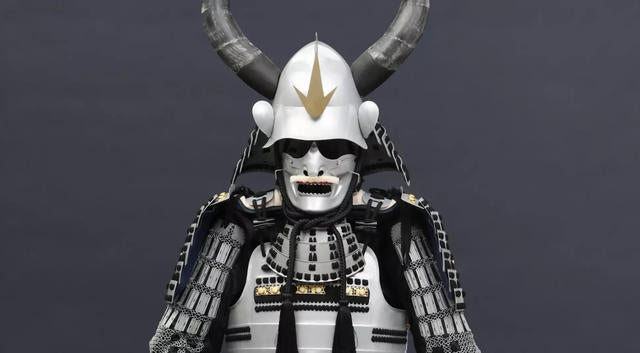
What Makes Silver Samurai Armor So Valuable and Historically Significant?
Amid the rising global fascination with Japanese culture, Silver Samurai Armor has become a focal point for history enthusiasts, collectors, and the film prop industry. Whether used for exhibitions, historical reenactments, stage performances, or high-end décor, this visually striking and culturally rich samurai armor represents a powerful fusion of art and heritage.
If you are searching for a full samurai armor set, authentic Japanese samurai armor, or handcrafted collector pieces, this guide explores the history, structure, craftsmanship, and collectible value of silver armor.
Historical Background and Cultural Symbolism
During Japan’s Sengoku period (15th–17th century), warfare shaped a highly refined military equipment system. Traditional samurai armor (Yoroi) was not merely battlefield protection; it symbolized rank, authority, and family honor. For daimyo and high-ranking generals, the color, materials, and decorative elements of their armor reflected political power and prestige.
Silver armor stood out due to its demanding production process and striking visual impact. Its cool metallic sheen represented clarity, discipline, and restraint—qualities aligned with the principles of Bushido: loyalty, courage, and honor. Unlike gold armor, which projected extravagance, silver conveyed calm authority and controlled strength.
Structurally, traditional armor used a lamellar (kozane) construction. Small metal plates were laced together with silk or leather cords, creating a flexible yet highly protective structure. The polished silver finish enhanced visibility on the battlefield, projecting psychological dominance while reinforcing leadership presence.
Decorative elements such as family crests and helmet ornaments (maedate) further elevated the armor’s symbolic meaning, transforming it into both a military asset and a cultural statement.

Structure of a Silver Samurai Armor Set
A complete samurai armor set typically includes the following components:
1. Kabuto (Helmet)
The helmet is the most recognizable feature. A well-crafted samurai helmet includes decorative crests and interior padding for both authenticity and comfort.
2. Do (Cuirass)
The cuirass protects the torso and vital organs. Modern versions of Japanese samurai armor use reinforced metal plating to balance durability and mobility.
3. Sode and Kote (Shoulder and Arm Guards)
These components provide upper-body protection while maintaining flexibility for movement.
4. Leg Guards
Lower-body armor ensures full protection and visual cohesion, completing the full samurai armor set design.
Modern Craftsmanship of Silver Samurai Armor
Modern high-end Silver Samurai Armor preserves the aesthetic integrity of historical designs while integrating advanced materials and engineering.
Premium Materials
-
High-strength lightweight alloy or steel improves durability without excessive weight.
-
Multi-layer silver coating enhances corrosion resistance and long-term preservation.
-
Breathable interior lining increases comfort for display wear or reenactment use.
Fine Craftsmanship
-
Hand-engraved family crests add authenticity and collectible value.
-
Polished metal edges ensure both safety and refined appearance.
-
Traditional lacing combined with modern reinforcement strengthens structural integrity.
-
Modular construction allows easier transport and maintenance of the armor set.


