


Tokugawa Samurai Armor – The Soul of Honor and Power of the Samurai
Why Did the Tokugawa Clan’s Red Samurai Armor Become a Symbol of Honor and Power in Japan?
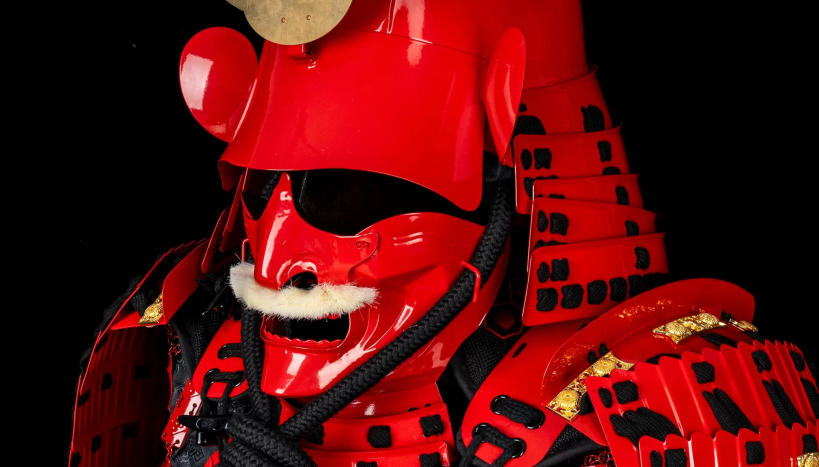
During Japan’s Warring States period, Samurai Armor (Yoroi or Kacchū) was far more than mere battle gear — it symbolized power, honor, and status. The Handmade Tokugawa Clan Red Samurai Armor by MangaKatana revives the prestige and authority of the Tokugawa clan through traditional craftsmanship. Seamlessly blending historical authenticity with artistic value, this masterpiece is the ideal choice for history enthusiasts, samurai culture collectors, martial arts practitioners, Cosplayers, and admirers of Bushido.
What Is a Samurai Armor Called?
In Japanese, samurai armor is called '鎧 (Yoroi)' or '甲冑 (Kacchū)'.
-
Yoroi (鎧) generally refers to traditional full-body armor worn by mounted samurai during the Heian and Kamakura periods.
-
Kacchū (甲冑) is a broader term encompassing all Japanese warrior armor pieces, including the chestplate (Dō), helmet (Kabuto), shoulder guards, arm guards, and shin protectors.
Thus, 'Samurai Armor' can be expressed as Yoroi or Kacchū, both representing the traditional defensive equipment of Japan’s noble warriors.
In modern culture and collections, Samurai Armor has become a universal term symbolizing courage, loyalty, and the enduring spirit of Bushido — the very essence of the samurai soul.
1. Tokugawa Ieyasu and the Legacy of the Red Armor
Tokugawa Ieyasu (德川家康), one of Japan’s most influential military leaders and a member of the 'Three Great Unifiers of Japan' alongside Oda Nobunaga and Toyotomi Hideyoshi, rose from humble beginnings to establish the Tokugawa Shogunate, a regime that maintained peace and stability for over 250 years.
In his youth, Ieyasu endured hardship and political captivity — experiences that honed his patience, strategic thinking, and resilience. These qualities later became the foundation of his political and military success.
His defining moment came during the Battle of Sekigahara (1600), a decisive conflict that unified Japan under his leadership. Commanding the Eastern Army, Ieyasu’s tactical brilliance led to the defeat of Ishida Mitsunari’s Western forces, cementing his power and paving the way for the Tokugawa Shogunate established in 1603.
The red armor holds special significance in Tokugawa history. One of Ieyasu’s elite divisions, the Ii no Akazonae (Red Regiment of the Ii Clan), wore brilliant crimson armor that became a symbol of valor and loyalty. The color red inspired courage within the Tokugawa forces and struck fear into their enemies. It came to embody unwavering bravery, discipline, and devotion — virtues central to Bushido.
The Tokugawa Clan Red Samurai Armor draws inspiration from this historic legacy. The radiant red lacquer finish reflects a burning warrior spirit, while the Mitsuba Aoi (三葉葵紋) crest on the chest represents Tokugawa’s authority and noble heritage. Every detail tells the story of Ieyasu’s rise — from hardship and strategy to ultimate victory and legacy.
Red armor, therefore, is not merely protection; it is a symbol of faith, perseverance, and triumph. As Tokugawa Ieyasu himself embodied:
'Victory belongs not to the strongest, but to those who can endure.
Success is not for the fearless, but for those who can think and adapt.'
When one beholds the Tokugawa Clan Red Samurai Armor, it is not just a display of craftsmanship — it is a tribute to a defining era of Japanese history forged in wisdom, courage, and honor.

2. A Handcrafted Masterpiece of Japanese Artistry
The Full-Size Yoroi Samurai Warrior Set captures the true essence of Japanese craftsmanship. Each armor piece is entirely handcrafted by skilled artisans following centuries-old techniques, meticulously recreating the authentic form of the Sengoku-period armor.
(1) The Legacy of Traditional Armor Crafting
In Japan, armor-making is an art form known as Kacchū Seisaku (甲冑製作). The armorers of old were not merely blacksmiths; they were guardians of honor. Their creations embodied not only protection but also beauty, identity, and spirit.
The Tokugawa Clan Red Samurai Armor continues this sacred tradition through rigorous manual processes:
-
Each iron plate is hand-forged from high-carbon steel, ensuring both strength and flexibility.
-
The surface is coated with multiple layers of natural Urushi lacquer, providing corrosion resistance and a deep, lustrous shine.
-
Armor components are bound with silk cords (Odoshi) — an artful weave that adds both aesthetic and functional value.
-
All segments are assembled by hand using authentic historical methods to ensure balance, proportion, and stability.
Every stage reflects the Japanese craftsman’s philosophy of precision and respect:
'A millimeter of error is a disrespect to history.'
(2) Materials and Structure: A Harmony of Strength and Elegance
-
Material Selection: Crafted from high-tensile iron and genuine silk cords, the armor balances resilience with flexibility. Each plate undergoes repeated forging and polishing, achieving an elegant metallic luster that radiates authenticity.
-
Armor Composition: Faithfully reproduces the five main components of traditional Yoroi — Dō (chestplate), Kabuto (helmet), Sode (shoulder guards), Kote (armored sleeves), and Suneate (shin guards) — ensuring both authenticity and comfort.
-
Color Technique: The vivid red lacquer finish is built up through multiple layers and fine polishing, producing a rich tone that symbolizes 'flames of loyalty and eternal honor.' Black-gold trim accents add a noble touch befitting the Tokugawa heritage.
-
Clan Emblem Detail: The golden Mitsuba Aoi (Three Hollyhock Leaves) crest emblazoned on the chest embodies the Tokugawa family’s prestige and authority. It stands not only as a heraldic design but as a living emblem of legacy, duty, and honor.
Every element of this armor is a dialogue between art and history — a timeless cultural masterpiece that carries the unyielding soul of Japan’s samurai tradition.
(3) The Fusion of Craftsmanship and Art
Handcrafted samurai armor is more than a form of protection—it is a masterpiece that unites art, history, and culture. Throughout the creation process, artisans focus on every detail—proportion, contour, and color harmony—ensuring that the armor retains the awe and authority of the Sengoku period while embodying modern aesthetic and collectible value.
Up close, you can appreciate the mirror-like lacquer sheen, the rhythmic weaving patterns, and the delicate engraving of the Tokugawa crest. From a distance, it exudes a majestic and invincible presence—a perfect expression of the Japanese concept of Takumi no Kokoro (the Spirit of Craftsmanship), where strength and flexibility, practicality and beauty, coexist in perfect harmony.
(4) A Cultural Treasure to Be Passed Down
The Tokugawa Red Samurai Armor is not merely a suit of armor—it is an heirloom-worthy work of art. Whether displayed in a private collection, a martial arts dojo, or a historical museum, it embodies the spirit, discipline, and elegance of Japan’s Warring States era.
It allows one to feel the fierce aura of ancient warriors while appreciating the Japanese pursuit of perfection, order, and soul in craftsmanship.
Every stroke of lacquer, every thread of silk, is a craftsman’s tribute to history and a continuation of culture.
3. The Spirit of Bushido and Cultural Legacy
Throughout Japan’s long history, the Bushido Spirit has been regarded as the soul of Japanese culture. It shaped the beliefs and code of conduct of countless warriors, emphasizing loyalty, courage, honor, righteousness, self-discipline, and compassion. Bushido served as both the moral foundation of the samurai and a guiding philosophy for Japanese society.
On the battlefield, Bushido represented fearlessness and dignity in the face of death; in times of peace, it guided governance, leadership, and personal conduct. Tokugawa Ieyasu embodied this ideal—after founding the Tokugawa Shogunate, he ruled not only through military might but also through virtue and discipline, insisting that 'a samurai is not merely a machine of war, but a guardian with moral conviction.' This reflects the essence of Bushido: to live by virtue and govern by righteousness.
Wearing a set of Japanese Samurai Armor is not only a tribute to the glory of the past but also a spiritual experience. Beneath the armor lies resolve, loyalty, and devotion. As the ancient saying goes:
'A samurai would rather die with honor than live in disgrace.'
The Tokugawa Red Samurai Armor embodies this very spirit. Its crimson hue symbolizes bravery and passion, the courage to face death without fear. Every plate and cord represents honor, duty, and the soul of the warrior.
Today, the Bushido Spirit transcends time, finding expression in Japanese martial arts, tea ceremonies, modern corporate ethics, and even anime and film. It continues to represent discipline, loyalty, and respect.
When displayed in a home, museum, or dojo, the Tokugawa Clan Red Samurai Armor is no longer just an artifact—it becomes a living link to Japan’s samurai heritage, radiating the timeless Samurai Spirit of courage, loyalty, and honor.
'Armor may rust with time, but the light of Bushido will never fade.'

4. Collectible and Display Value
For collectors and admirers of Japanese culture, the Tokugawa Clan Red Samurai Armor is more than a historical reproduction—it is a symbol of identity, taste, and spiritual devotion. It perfectly unites history, craftsmanship, and culture, allowing you to experience the heroic essence of Japan’s feudal age.
(1) Collectible Value: The Inheritance of History and Craft
As a handmade Japanese Samurai Armor, every detail—from the lustrous lacquer finish to the intricate silk lacing—reflects the dedication of traditional armor-making masters. Each piece tells a story from the Tokugawa era and preserves the essence of the Bushido Spirit.
Owning this armor is not merely possessing an art object—it is preserving a tangible piece of Japanese history and cultural heritage. Its true value lies not only in material craftsmanship but in its ability to embody tradition, honor, and spirit.
(2) Display Aesthetics: Tradition Meets Modern Elegance
This armor blends historical beauty with modern display functionality:
-
When displayed in a home or private gallery, its vivid red lacquer and golden crest gleam under the light, exuding power and dignity.
-
When placed in a museum or cultural exhibition, it becomes a focal point that showcases Japan’s Warring States aesthetics and craftsmanship.
-
In Cosplay events, reenactments, or film productions, it authentically restores the grandeur of ancient warriors, breathing life into history.
Each Full-Size Yoroi Set includes a wooden display stand and traditional cords, allowing for easy assembly and secure presentation. When worn, it offers the full weight and realism of samurai armor; when displayed, it becomes a majestic sculpture radiating pride and authority.
(3) Symbolism: The Transmission of Honor and Faith
Red armor has long symbolized courage, loyalty, and glory. When it stands silently on display, it is more than decoration—it is a reminder of perseverance and dedication.
Just as Tokugawa Ieyasu forged peace through wisdom and patience, this armor represents the balance of power and restraint, honor and discipline. Many collectors regard it as a spiritual emblem—a reflection of steadfast belief and noble purpose.
(4) MangaKatana’s Signature Craftsmanship
Among the many fine creations of MangaKatana, this Tokugawa Clan Red Samurai Armor stands out for its distinctive red finish, Tokugawa crest, and superior craftsmanship. It is a masterpiece sought after by discerning collectors worldwide.
Whether you are a historian, samurai culture enthusiast, or collector of unique art, this armor will command attention in any collection. It not only preserves past glory but also brings a sense of power, dignity, and inspiration to modern life.
A suit of armor is more than history;
A shade of red is more than battle—it is the flame of faith reborn.
5. The Red Soul of Strength and Loyalty
In Japanese tradition, colors carry deep symbolic meaning. Among them, red holds a sacred place in samurai culture, representing strength, courage, and devotion. On the battlefield, it was the color of valor; in ceremonies, it symbolized authority and spiritual purity.
For the Tokugawa clan, red became a mark of power and faith. The legendary Ii no Akazonae (Red Regiment of the Ii Clan), known for their crimson armor, fought bravely as Tokugawa Ieyasu’s most loyal warriors. Their red armor, gleaming like fire under the sun, both intimidated enemies and inspired comrades, embodying the oath of 'defending loyalty with blood.'
The Tokugawa Clan Red Samurai Armor continues this proud legacy. Its red lacquer is not mere decoration—it is a symbol of the spirit:
-
Blood-red hues signify courage in the face of death;
-
Fiery crimson stands for unyielding loyalty and conviction;
-
Deep lustrous tones reflect dignity and inner strength.
In the modern era, red armor has evolved from a weapon of war to a symbol of perseverance and passion. It represents the timeless Bushido values—the courage to stand firm amid hardship and the resolve to stay true to one’s principles.
Many collectors, martial artists, and Japanese culture enthusiasts choose to display this armor not only for its beauty but for the energy and inspiration it conveys:
'No matter how the world changes, the true samurai spirit remains pure and unyielding.'
This Red Soul is both a tribute to the valor of the past and a reflection of modern determination.
Courage is not the absence of fear, but moving forward despite it.
Loyalty is not blind obedience, but the steadfast defense of one’s beliefs.
When you gaze upon the Tokugawa Red Samurai Armor, that profound red does not belong only to warriors of the past—it belongs to everyone who cherishes honor, conviction, and life itself.
Handmade Tokugawa Clan Red Samurai Armor, Full-Size Yoroi, Japanese Warrior Set

6. Conclusion
The Handmade Tokugawa Clan Red Samurai Armor is a masterpiece uniting history, craftsmanship, and spirit. It is not just a decorative artifact—it is a living echo of Japan’s warrior heritage and an enduring testament to Bushido.
Whether you are a samurai armor collector, history enthusiast, martial artist, or Cosplayer, this armor lets you experience the honor and passion of Japan’s Warring States era.
Choose MangaKatana, and awaken the spirit of the samurai within you—
let the red soul of Tokugawa burn brightly once more.

