


Short Swords Guide: Design, Materials & Combat Function Explained
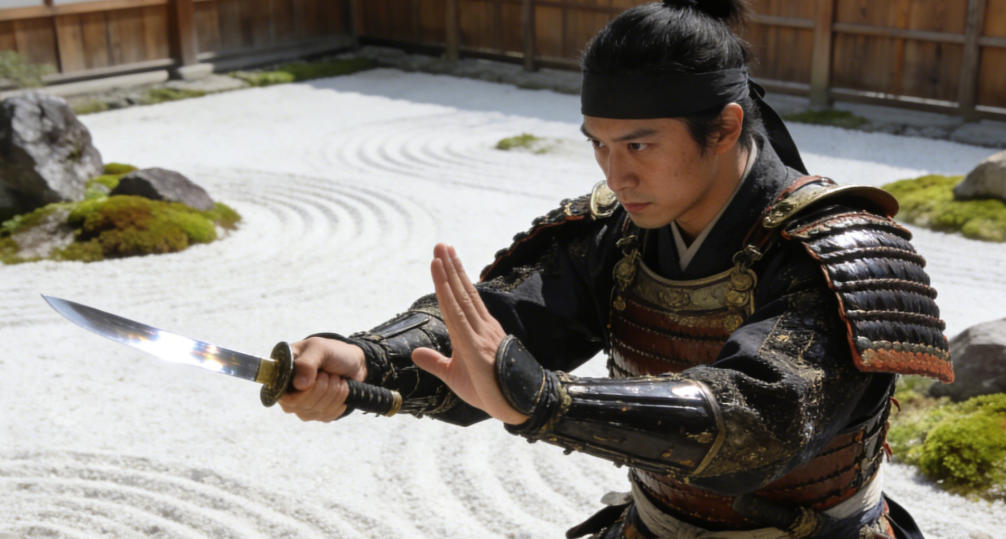
What Are Short Swords? Types, Materials, and How They Were Used in Combat
Short swords have been a crucial part of the cold weapon system throughout history, playing an irreplaceable role in warfare, close combat, and ceremonial culture. From the short swords wielded on ancient Greek and Roman battlefields to the Chinese short knives and curved swords used during the Warring States period, these weapons demonstrate a wide variety of short sword types, unique design evolutions, and diverse blade material structures.
This article provides a systematic overview of classic short sword designs worldwide, the evolution of their construction, material characteristics, and practical applications. Whether you are a weapons collector, a martial arts historian, or someone interested in short sword blade structure differences and optimal material selection, this guide offers a complete and accessible reference.
What Is a Short Sword? Basic Definition and Features
A short sword is a weapon with a relatively short blade, suitable for close-range combat, which can be wielded either single-handed or two-handed. Compared to long swords, knightly swords, or greatswords, short swords emphasize mobility, agility, fast thrusting, and rapid successive strikes, making them ideal for confined spaces, tight formations, or chaotic melee situations.
Key characteristics of short swords include:
-
Short blade length: Typically 30–70 cm, allowing for easy carry, concealment, and rapid attacks
-
Close-combat and thrusting advantage: Center of gravity near the hilt for fast stabbing, slicing, and defensive maneuvers
-
Lightweight and quick to swing: Enables rapid directional changes for continuous strikes or blocks
-
Tactical adaptability: Often paired with shields or longer weapons, suitable for infantry charges, cavalry skirmishes, or solo defense
-
Variety of blade shapes: Includes straight blades, curved blades, triangular blades, and daggers, each optimized for specific combat needs
-
Cultural and martial value: Beyond combat, short swords serve as training tools, ceremonial implements, and collectible items
The introduction of short swords optimized close-range battlefield combat, enabling efficient offense and defense in confined spaces. They are foundational in many martial arts systems, such as:
-
Chinese short knife techniques: Emphasizing footwork, diagonal cuts, thrusts, and quick hand transitions
-
Medieval European short sword combat: Designed for shield coordination, defense, and close-quarters fighting
-
Ancient Roman Gladius tactics: Focused on straight thrusts and dense formation combat for Roman legions
The portability and flexibility of short swords also made them widely used by scouts, guards, assassins, or specialized close-combat soldiers, cementing their role as indispensable melee weapons.
In summary, short swords are not only practical close-combat weapons but also cultural and tactical tools. Blade features, weight distribution, edge geometry, and hilt design all directly affect combat effectiveness and user experience, making them fundamental to both historical weapon study and modern martial arts practice.

Historical Evolution and Regional Styles of Short Swords
As a flexible weapon in the cold weapon system, the short sword’s design evolved to meet changing battlefield needs. Different regions and cultural traditions produced distinct short sword types, reflecting both technological innovation and societal values.
1. Ancient Roman Gladius
One of the signature weapons of Roman legionaries, the Gladius is one of the most iconic short swords in Western history.
-
Design concept: Optimized for stabbing rather than slashing, suitable for tight formation combat
-
Blade shape: Straight double-edged blade with a sharp tip and moderate thickness for penetration
-
Tactical advantage: Ideal for thrusting in shielded formations, complementing other short-range tactics
-
Historical usage: Integral to the Roman legion’s dense formations (Testudo), where short, nimble blades allowed soldiers to maintain speed and strike frequency in close combat
The Gladius exemplifies the combination of short sword evolution and tactical adaptability, providing a key reference for studying ancient short sword combat and material choices.
2. Japanese Tantō and Wakizashi
In samurai culture, the Tantō and Wakizashi are iconic short swords that serve both as weapons and symbols of social status.
-
Blade design: Single-edged or slightly curved, typically 20–40 cm long, with a sharp tip for stabbing
-
Combat purpose: The Tantō is used for close-quarters self-defense or assassination, while the Wakizashi serves as a companion sword to the katana, allowing quick transitions during combat or defense
-
Cultural significance: Represents samurai identity, family honor, and ceremonial status
-
Craftsmanship: Forged from high-carbon steel using refined folding techniques, producing sharp, resilient blades with strong backs suitable for rapid draw and thrusting
The Japanese short sword system emphasizes both tactical flexibility and blade characteristics, making it a critical study in close-combat weapon design and martial arts training.
3. Chinese Short Knives and Curved Blades
Chinese short swords and curved blades have a long history, widely used from the Warring States period for infantry, cavalry, and martial arts practice.
-
Design features: Both straight short knives and curved blades exist; short knives are effective for stabbing, while curved blades excel at slicing and chopping
-
Combat advantages: Curved blades provide increased lethality in charges or chaotic melee, whereas short knives offer easy handling for rapid defense and surprise attacks
-
Material and craftsmanship: Made from iron, carbon steel, or layered steel alloys depending on the period, with sharp edges and resilient structures
-
Martial arts applications: Integral to Southern Fist, Tai Chi sword, and Baji sword techniques
Chinese short swords not only served extensive military purposes but were closely linked to martial arts culture, providing a rich foundation for short sword combat techniques and cold weapon close-combat studies.
4. Medieval European Short Swords and Daggers
In medieval Europe, short swords and daggers were essential in knightly combat and castle defense.
-
Blade variety: Straight-edged, pointed, or triangular cross-section, suitable for diverse combat scenarios
-
Material advantages: High-carbon steel, composite steel, or quenched-forged blades that balance sharpness and impact resistance
-
Tactical use: Backup weapons for melee, siege defense, close combat, or emergency protection
-
Design philosophy: Emphasizes lightness and quick strikes, compatible with shields, long swords, or other combined tactics
European short swords and daggers highlight the relationship between short sword design evolution and material technology advances, while also reflecting medieval knight culture, castle defense strategy, and diverse combat systems.
Overall, ancient short swords, whether in Europe, Asia, or the Middle East, demonstrate a high degree of consistency in blade length, weight distribution, edge design, material craftsmanship, and tactical adaptability. Each type of short sword is the product of an intricate combination of close-combat weaponry, military tactics, and cultural background, providing rich examples for modern martial arts training, historical research, and collection.
Short Sword Materials & Performance: Blade Selection Guide
The performance of a short sword is not only determined by its design but also closely related to blade material, metallurgical techniques, and heat treatment methods. Different materials directly affect a short sword’s hardness, toughness, sharpness, wear resistance, and corrosion resistance. Therefore, understanding the blade material and manufacturing process is essential when selecting a short sword.
From the era of ancient cold weapons to modern knife-making technology, short sword blade materials have evolved from bronze, iron, carbon steel to modern alloy steels and stainless steels. Each material has its unique characteristics and ideal applications, shaping the value of different short sword types in combat, training, and collection.
1. High Carbon Steel Short Swords
High carbon steel is one of the most common and classic materials used in traditional cold weapon manufacturing. Many historical renowned swords and short swords were forged from high carbon steel, prized for its excellent cutting performance, making it a preferred material for combat-ready swords.
-
Advantages: High hardness, strong sharpness, excellent cutting performance
-
Disadvantages: Prone to rust, requires regular maintenance and anti-corrosion care
-
Blade Characteristics: Edge retention is strong, suitable for frequent use and sharp cutting
-
Ideal Users: Those seeking maximum sharpness and authentic cold weapon performance for tactical short swords or martial arts training
High carbon steel short swords are usually subjected to quenching and tempering heat treatments, enhancing edge hardness while maintaining spine toughness. This heat treatment ensures the blade remains sharp while reducing the risk of breakage, making it a core technique in traditional short sword blade craftsmanship.
In modern knife-making, common high carbon steel grades include 1060 and 1095, which excel in sharpness and wear resistance, making them widely used for combat training short swords and high-performance tactical knives.
2. Alloy Steel Short Swords
Alloy steel is produced by adding multiple metal elements to carbon steel. By adjusting the material composition, a more balanced combination of hardness, toughness, and wear resistance can be achieved.
-
Advantages: Excellent overall performance, balancing sharpness and durability
-
Characteristics: Alloyed with chromium, vanadium, molybdenum, etc., to improve strength and wear resistance
-
Blade Performance: Strong impact resistance, less prone to chipping or breaking
-
Applications: Display-grade swords, collector-grade weapons, and high-intensity training short swords
The greatest advantage of alloy steel lies in its performance stability. Compared with traditional high carbon steel, it maintains sharpness while offering better impact resistance and longer service life.
Common modern alloy steels include 5160, D2, VG10, which provide excellent hardness and wear resistance, making them prevalent in high-end knives and professional tactical short swords.
For users prioritizing long-term durability and overall performance, alloy steel short swords are usually the ideal choice.
3. Stainless Steel Short Swords
Stainless steel short swords are very common in today’s knife market, with the main advantage being high corrosion resistance and easy maintenance. Stainless steel contains a high proportion of chromium, forming a protective layer on the surface to prevent oxidation and rust.
-
Advantages: Strong corrosion resistance, low maintenance, high surface luster
-
Disadvantages: Some stainless steels have slightly lower hardness and edge retention than high carbon steel
-
Appearance Features: Smooth, bright blade, ideal for display and collection
-
Uses: Display swords, prop swords, stage performance, or decorative collections
For many sword collectors or martial arts performers, stainless steel short swords are popular due to their low maintenance and attractive appearance. Even with long-term display or storage, they rarely rust.
Modern high-end stainless steels, such as AUS-8 and 440C, with advanced heat treatments, achieve a good balance between corrosion resistance and hardness, significantly improving stainless steel short sword performance.

The Impact of Material Selection on Short Sword Performance
In short sword manufacturing, material choice not only determines blade performance but also affects overall weight, balance, and lifespan. Generally:
-
High carbon steel short swords: Best sharpness and cutting performance
-
Alloy steel short swords: Most balanced overall performance
-
Stainless steel short swords: Strongest corrosion resistance and easiest maintenance
Therefore, material selection should be based on intended use. For example:
-
Martial arts training and combat simulation: High carbon steel or alloy steel short swords are preferable
-
Display, collection, or stage performance: Stainless steel short swords are easier to maintain
-
High-end collector swords: Often made from layered steel or premium alloy steel
By choosing the right blade material and craftsmanship, a short sword can achieve optimal performance while demonstrating unique value in historical, martial, and cultural contexts.
Short Sword Design & Functional Classification: Types by Use
The design and function of short swords are closely linked. Based on different uses, they can be classified as:
1. Offensive Short Swords
-
Forward-weighted balance
-
Suitable for rapid close-quarters thrusts and slashes
-
Often used in training and tactical simulations
2. Defensive / Auxiliary Short Swords
-
Balanced weight distribution
-
Emphasizes blocking and counterattacks
-
Suitable for dual-wielding systems
3. Display & Ceremonial Short Swords
-
Exquisitely crafted blades with decorative elements
-
Used for performance, collection, or ceremonial purposes
These short sword categories help users choose designs and materials suitable for their intended purpose.
The Role of Short Swords in Martial Arts & Cultural History
Whether on ancient battlefields or in martial arts forms and ceremonial performances, short swords hold an important position. Examples include:
-
Chinese martial arts short blade routines
-
Japanese samurai short sword etiquette
-
European medieval knight short sword combat techniques
These systems make the short sword not just a weapon but a vital part of cultural tradition and skill transmission.
How to Choose the Right Short Sword: Practical Tips
When searching for 'short sword buying guide,' 'best materials for practice swords,' or 'short sword blade feature comparison,' consider the following:
✔ Purpose First: Training, display, collection, or tactical use?
✔ Material Selection: High carbon steel (sharp), alloy steel (durable), stainless steel (corrosion-resistant)
✔ Blade Design: Straight, curved, triangular tip, each with unique advantages
✔ Balance & Handling: Center of gravity affects swing speed and control
Hand Forged Tanto Sword Clay Tempered Japanese Short Sword 1 Mini Katana 095 Carbon Steel Battle Ready

Conclusion: A Comprehensive View of Short Sword Types & Weapon Culture
From the Roman Gladius, Japanese short swords, to Chinese curved blades and European daggers, every short sword type reflects the trajectory of historical warfare, technological innovation, and cultural development. Understanding design evolution, material differences, and functional classifications helps enthusiasts make professional decisions in purchasing, collecting, and studying these weapons.
Continue exploring the history of cold weapons, short sword craftsmanship, and the culture behind the blade to let these ancient weapons shine with renewed charm and value in the modern era.

