


Falchion Sword Explained: Medieval Curved Blade Design & Combat Use
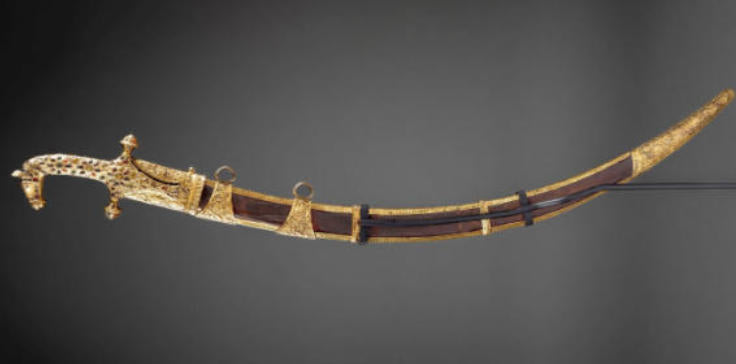
What Is a Falchion Sword and Why Was It Used in Medieval Warfare?
In the history of European medieval arms, the falchion stands out as a uniquely designed and highly practical close-combat weapon. Neither a typical straight-bladed longsword nor a simple short blade, the falchion combines the advantages of both swords and chopping weapons, making it a formidable tool of war.
With its curved single-edged blade, powerful cutting ability, and proven battlefield performance, the falchion has become a focal point for arms enthusiasts and historical weapon researchers alike. This article offers an in-depth look at the falchion’s origins, structural design, tactical role, and cultural influence.
I. What Is a Falchion (Medieval Curved Sword)?
The falchion was a common medieval European bladed weapon, most easily recognized by its single-edged, curved blade. This design made it especially effective for chopping and slashing attacks, particularly against lightly armored opponents.
Compared to longer, straight swords, the falchion prioritized close-range combat efficiency. At the same time, it offered greater reach and battlefield utility than daggers or short blades. As a result, falchions were widely used by knights, infantry, and militia forces.
The blade profile typically curves downward, concentrating mass toward the tip and increasing cutting momentum. While its design shows some influence from Roman and early European blade traditions, the falchion evolved into a weapon with distinct medieval tactical purposes, making it a representative weapon of medieval warfare.

II. Historical Origins and Development of the Falchion
The falchion traces its roots to the early Middle Ages, influenced by Roman weaponry and Germanic tribal blades. As knightly warfare and battlefield tactics evolved, the falchion gained popularity among guards, soldiers, and footmen.
During the medieval period, knights often faced opponents wearing chainmail or partial plate armor. This created demand for a weapon that could deliver devastating blows against lighter armor while remaining agile in close combat. The falchion’s shorter length and forward-weighted blade made it especially suitable for this role.
Regional variations emerged across Europe. Some falchions featured broader blades, others heavier tips, and some incorporated modified blade angles to improve cutting efficiency against cavalry or lightly armored troops. This diversity reflects how medieval weapons evolved in response to specific tactical needs.
III. Structural and Design Features of the Falchion
1. Single-Edged Blade and Curved Profile
The falchion’s defining characteristic is its single-edged blade with a curved cutting line. This shape allows force to be concentrated during a swing, significantly increasing cutting power. Rather than relying solely on edge sharpness, the curved blade delivers damage through momentum and impact, functioning much like a specialized chopping weapon.
2. Blade Width and Forward-Biased Balance
Many falchions feature a widened blade toward the tip, shifting the center of gravity forward. This forward balance enhances cutting force and makes each strike more destructive. Such a design proved effective against lightly armored enemies and could also disrupt cavalry attacks.
3. Grip and Guard Construction
Falchion grips are typically short and robust, designed for one-handed use. However, some variants feature extended grips that allow two-handed control, offering increased striking power. The guard is usually simple but effective, providing sufficient hand protection without unnecessary complexity.
IV. Battlefield Tactics and Practical Use
The falchion’s design is closely tied to its battlefield role. Compared to straight swords, it excels in slashing, chopping, and close-quarter combat, particularly against lightly armored or unarmored opponents.
Infantry and knights often used falchions in fast-moving engagements, urban combat, and siege environments where space was limited. Its powerful cuts could quickly disable opponents and break through defensive formations.
The falchion was also effective against cavalry. Its chopping power allowed soldiers to disrupt mounted charges, while its lighter weight and maneuverability enabled rapid changes in attack angle during chaotic combat situations.

V. Falchion Compared to Other Medieval Swords
| Weapon Type | Blade Characteristics | Advantages | Disadvantages |
|---|---|---|---|
| Longsword | Straight, double-edged | Excellent balance and versatility | Less effective against armor |
| Falchion | Curved, single-edged | Powerful cutting, high mobility | Weaker defensive capability |
| Shortsword | Short, lightweight | Ideal for confined spaces | Limited striking power |
As shown above, the falchion’s strength lies in its cutting power and tactical flexibility. However, it is less effective in defensive fencing or against heavily armored opponents. This explains why falchions were commonly used by light cavalry and militia rather than elite heavy knight formations.
VI. Falchion in Modern Culture and Collecting
With renewed interest in medieval history through films, games, and literature, the falchion has re-entered popular culture. It is often depicted as the weapon of power-focused warriors and aggressive melee fighters.
For modern collectors, historical reenactors, and medieval weapon enthusiasts, high-quality falchion replicas serve both as display pieces and as practical tools for studying medieval combat design. Different historical styles and regional variants also give falchions unique collectible value.
VII. How to Choose a Falchion Replica
If you are interested in purchasing a falchion replica or exploring medieval swords, consider the following:
-
Define the purpose: Display, cosplay, historical reenactment, or study
-
Material selection: Functional falchions are best made from high-carbon or alloy steel; decorative pieces may use lighter materials
-
Craftsmanship: Hand-forged falchions typically offer higher authenticity and collector value
-
Size and weight: Choose dimensions that match your build and intended use for safety and comfort
Conclusion: Falchion — A Distinctive Weapon of the Medieval World
Whether on historical battlefields, in cultural representation, or within modern collections, the falchion remains a distinctive and influential medieval weapon. Its unique design, formidable cutting power, and tactical identity secure its place as an essential part of medieval arms history—and a lasting symbol of practical battlefield engineering.

