


Samurai Legacy: Why Japan’s Medieval Warriors Disappeared and Persist
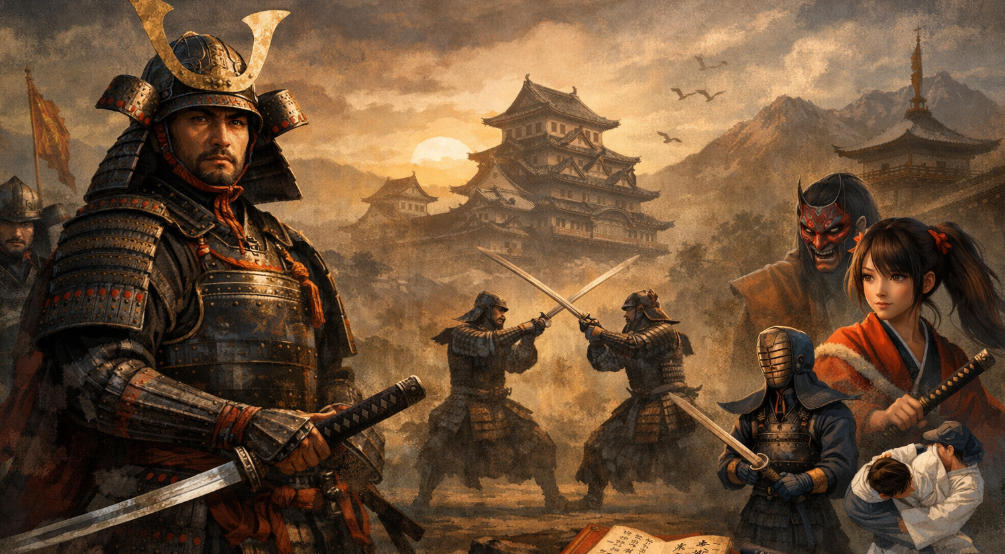
Why Did Samurai Disappear and How Does Their Legacy Influence Modern Japan?
In Japanese history, Samurai were not only a warrior class but also cultural symbols, maintainers of social order, and representatives of a unique ethical and spiritual code. Yet over time, this class that once dominated the battlefield and political stage gradually disappeared. Did their decline mean complete extinction? Today, we explore:
-
The origin and rise of the samurai class
-
Why samurai gradually vanished from Japanese history
-
Key events marking the fall of samurai privileges and the shogunate
-
How the samurai code (Bushido) continues to influence modern Japanese culture
-
The legacy of samurai in contemporary society
1. Who Were the Samurai? How Did They Rise?
Samurai were one of the most important and influential armed classes in Japan’s feudal era. They were elite warriors on the battlefield and crucial figures in political, social, and cultural spheres. From the late Heian period, the samurai gradually emerged as a powerful force, consolidating their status during the Kamakura, Muromachi, and Edo periods, becoming an indispensable core of Japanese society.
Samurai participated not only in wars but also in local governance, land management, and administrative affairs under the shogunate. Their presence ensured the authority of feudal lords (Daimyo) and became a central pillar of Japan’s medieval social structure.
In historical research and cultural discussions, samurai are often referred to as the 'samurai class,' 'Japanese knights,' or 'samurai warriors,' all high-frequency search terms. They symbolize:
-
Exceptional martial skill and combat expertise — Samurai excelled in swordsmanship (Kenjutsu), archery (Kyudo), and horseback archery (Yabusame), serving as the most elite military units.
-
Highly disciplined knightly culture — Following the strict Bushido code, samurai valued loyalty, etiquette, courage, and honor.
-
Maintaining feudal order and domain interests — Samurai were the backbone of the shogunate and local lords, responsible for governance, taxation, and civilian management.
-
Military defense against internal strife and foreign invasions — From domestic conflicts during the Sengoku period to external threats, samurai were essential to Japan’s defense system.
-
Cultural and spiritual symbolism — Samurai were also key figures in literature, arts, and religion, influencing tea ceremonies, calligraphy, poetry, and architecture.
As the samurai rose, they not only shaped Japan’s military system but also profoundly influenced social structure, political order, and cultural values. Today, keywords like 'samurai history,' 'rise of samurai,' 'Bushido spirit,' and 'Japanese knight culture' have high search volumes among scholars, history enthusiasts, and fans of anime and games, reflecting the enduring impact of this class.
2. Why Did Samurai Gradually Disappear? Key Historical Events
The samurai reached their peak during the Edo period, but as Japan entered a long era of peace, their social role gradually weakened. Their disappearance was not sudden but resulted from multiple factors:
1. Japan’s Unification and the Era of Peace
After the end of the Warring States period, the Tokugawa Shogunate established over 200 years of peace. With reduced warfare, samurai lost their traditional battlefield roles. The long-term stability shifted their focus from combat to administrative duties.
2. Changes in Edo Governance
During the Edo period, Japan had a strict class system, granting samurai privileges such as:
-
Wearing swords (the right to carry swords)
-
Priority in political and administrative positions
-
Land allocation and stipend systems
However, these privileges gradually lost meaning with modernization and societal changes.
3. The Meiji Restoration and Abolition of the Samurai System
The Meiji Restoration marked the most crucial turning point in the decline of the samurai. As Japan transitioned to a modern nation:
-
Han domains were abolished and replaced with prefectures
-
Samurai privileges were eliminated
-
Mandatory conscription replaced samurai military roles
These reforms fundamentally changed the samurai’s role in society, effectively ending the samurai system.

3. What Is Bushido and What Did It Leave Behind?
Even though the samurai class disappeared institutionally, the samurai code (Bushido) became an enduring part of Japanese culture.
Bushido values include:
-
Loyalty
-
Justice
-
Compassion
-
Respect
-
Courage
-
Honor
These principles are deeply embedded in Japanese daily life and social norms, such as:
-
Corporate culture emphasizing responsibility
-
Educational systems highlighting respect and etiquette
-
Modern martial arts (Kendo, Judo, Karate) preserving samurai discipline
4. Samurai Influence on Japanese Literature and Arts
Samurai culture shaped not only military and social systems but also literature and the arts:
Historical Novels and Theater
Historical narratives featuring samurai include:
-
Taikoki
-
Musashi
-
Heike Monogatari
These works popularized samurai legends in mainstream literature.
Traditional Japanese Painting and Ukiyo-e
Many Ukiyo-e and traditional artworks depict samurai scenes:
-
Battlefields
-
Military banners and armor
-
Psychological portrayal of warriors
5. The Legacy of Samurai in Modern Society
Although the samurai system was officially abolished during the Meiji Restoration, samurai culture, values, and symbolism persist. Their ideals continue to influence education, martial arts, arts, and modern culture worldwide.
Martial Arts and the Continuation of Samurai Spirit
Modern martial arts preserve the samurai spirit most directly, encompassing both ancient combat techniques and the ethical principles of Bushido, such as loyalty, honor, courage, and discipline. Key martial arts include:
-
Kendo — Derived from traditional Japanese swordsmanship (Kenjutsu), practiced with bamboo swords (Shinai) and protective gear (Bogu). Kendo emphasizes focus, breath control, and coordination, instilling patience and self-discipline.
-
Judo — Founded by Jigoro Kano, emphasizing “gentle way” techniques, strategy, and physical conditioning. Judo combines combat skill with mental and moral development, reflecting Bushido values.
-
Karate — Originating from Okinawa, focuses on striking techniques, self-defense, and personal discipline, extending samurai philosophy into civilian life.
-
Aikido — Emphasizes blending with attacks and neutralizing opponents without force, reflecting samurai wisdom and 'non-contention' philosophy, combining martial skill with spiritual cultivation.
These martial arts are not only sports but also global carriers of Japanese samurai culture. International schools and organizations integrate Bushido principles, allowing modern practitioners to experience discipline, honor, and responsibility rooted in samurai tradition. Keywords like 'Bushido training,' 'modern Kendo courses,' and 'Japanese martial arts culture' have high global search volume.
Samurai in Popular Culture
Samurai appear frequently in films, anime, and video games:
-
Samurai movies (Chanbara)
-
Anime series like Rurouni Kenshin and Demon Slayer
-
Video games featuring samurai characters and themes
Hand Forged Japanese Samurai Katana Sword High Hardness High Toughness Tool Steel Clay Tempered

6. Conclusion: Samurai May Have Disappeared, but Their Legend Endures
The decline of the samurai did not mean their complete disappearance. While their institutional identity vanished, as cultural symbols, ethical ideals, and spiritual icons, samurai continue to influence modern society.
From historical systems to spiritual values, from literature and art to modern entertainment, samurai transcend time, becoming one of the most globally influential historical symbols.
Whether studying Japanese history, exploring cultural philosophy, or seeking creative inspiration, the story of the samurai remains a fascinating and enduring legacy.

