


Tokugawa Clan Samurai Armor Yoroi: History of Japanese Warrior Armor
What Makes Tokugawa Clan Samurai Armor Yoroi a Symbol of Japanese Warrior Legacy?
The History Behind Tokugawa Clan Samurai Armor Yoroi
When discussing the most influential samurai families in Japanese history, the Tokugawa Clan is one of the most important names. As the founders of the Tokugawa Shogunate, the clan controlled Japan for more than 260 years during the Edo period and created a lasting legacy in Japanese politics, culture, and warrior traditions.
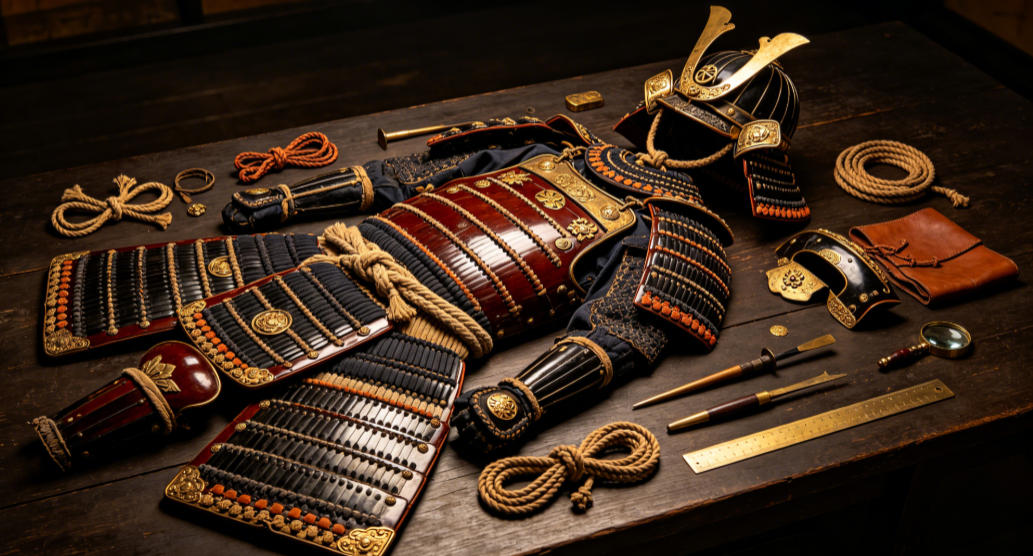
The Tokugawa Clan Samurai Armor Yoroi represents the power, discipline, and honor of one of Japan’s most respected warrior families. More than simple battlefield protection, traditional samurai armor reflected a warrior’s identity, social status, loyalty, and connection to their clan.
The design of Japanese samurai armor was created to provide protection while allowing flexibility and movement during combat. Unlike European armor styles such as crusader armor or gothic armor, Japanese Yoroi focused on layered construction, lightweight materials, and artistic details that represented the warrior’s personal and family symbols.
Today, Tokugawa-inspired armor remains highly valued by collectors, history enthusiasts, and Japanese culture fans. A detailed samurai armor set allows people to experience the spirit of the samurai and appreciate the craftsmanship behind traditional Japanese warrior equipment.
Who Were the Tokugawa Clan? The Warriors Behind the Yoroi Armor
The Tokugawa Clan became one of the most powerful samurai families in Japanese history. Founded by Tokugawa Ieyasu, the clan played a major role in ending the long period of civil war known as the Sengoku era.
After the victory at the Battle of Sekigahara in 1600, Tokugawa Ieyasu established the Tokugawa Shogunate in 1603. This marked the beginning of the Edo period, a time of political stability, economic growth, and cultural development in Japan.
The armor worn by Tokugawa samurai reflected their authority and disciplined warrior identity. The Tokugawa Clan Samurai Armor Yoroi often featured elegant designs, clan symbols, and carefully crafted protective components.
For those researching Tokugawa Clan Samurai Armor history, these armor sets represent more than military equipment. They tell the story of leadership, loyalty, and the strict warrior traditions that shaped Japanese society.

What Is Yoroi? Understanding Traditional Japanese Samurai Armor
Yoroi refers to traditional Japanese armor worn by samurai warriors, especially during the medieval period of Japan. Unlike heavy European armor, Yoroi was designed to provide a balance between defense, mobility, and visual symbolism.
A complete Japanese samurai armor set typically included:
- Armor helmet (Kabuto) – protected the warrior’s head and displayed clan symbols
- Menpo – protective face mask
- Do – chest protection
- Sode – shoulder guards
- Kote – arm protection
- Kusazuri – waist armor
- Suneate – leg protection
Each part of the armor had both practical and artistic value.
The armor helmet was especially important because it represented the warrior’s personality and status. Many famous samurai helmets featured unique shapes, horns, or decorative elements designed to create an impressive battlefield appearance.
The Craftsmanship of Tokugawa Clan Samurai Armor
Creating authentic samurai armor required highly skilled craftsmen who specialized in metalworking, leather production, and traditional Japanese decoration.
Unlike a simple protective suit, Yoroi armor consisted of many carefully connected components. Small armor pieces were attached together using cords, creating a flexible structure that allowed warriors to move freely.
Traditional Japanese armor often used materials and techniques similar to:
Leather Armor
Leather armor was valued because it was lightweight and flexible. Japanese craftsmen used treated leather components to improve comfort while maintaining protection.
Brigandine Armor
Brigandine armor used layers of protective plates attached inside fabric or leather. Similar concepts appeared in different cultures, showing how warriors around the world developed layered protection.
Chainmail Armor
Although less common than European designs, chainmail armor was sometimes incorporated into Japanese protective equipment to provide additional defense in certain situations.
The combination of these materials helped create armor that was practical, durable, and visually impressive.
Japanese Samurai Armor Compared With Historical Armor Around the World
Throughout history, civilizations developed different armor systems based on their weapons and battlefield environments.
Japanese Samurai Armor
Japanese samurai armor focused on mobility, flexibility, and symbolism.
Its main characteristics included:
- Layered armor construction
- Lightweight design
- Decorative clan symbols
- Flexible movement
- Detailed craftsmanship
The Tokugawa Clan armor represents the elegance and discipline of Japanese warrior culture.
Roman Armor and Greek Armor
Ancient civilizations also created remarkable protective equipment.
Roman armor was designed for organized military formations. Roman soldiers commonly used helmets, shields, and protective armor designed for disciplined battlefield tactics.
Greek armor was strongly associated with hoplite warriors. The famous hoplite armor included helmets, shields, breastplates, and greaves designed for close formation combat.
Viking Armor and Norse Armor
Viking armor and Norse armor were designed for warriors involved in raids and naval battles. These warriors often used helmets, shields, leather protection, and chainmail armor.
Compared with Japanese samurai armor, Viking protection focused more on practical battlefield survival rather than elaborate clan symbolism.
European Medieval Armor
European warriors developed famous armor styles including:
- Crusader armor
- Gothic armor
- Brigandine armor
Unlike Japanese Yoroi, European crusader armor and gothic armor often emphasized stronger metal protection, especially during the later medieval period.

Tokugawa Samurai Armor Symbolism and Warrior Spirit
The Tokugawa Clan Samurai Armor was not only designed for protection. Every detail represented the values and identity of the samurai.
The armor symbolized:
- Loyalty to the clan
- Honor and discipline
- Social responsibility
- Military strength
- Warrior tradition
The Tokugawa family crest and decorative elements helped identify warriors on the battlefield while showing their connection to one of Japan’s most powerful clans.
This combination of function and symbolism is why Japanese armor remains fascinating to collectors today.
Tokugawa Clan Samurai Armor Set for Collectors
Interest in historical Japanese armor continues to grow worldwide. Collectors searching for a samurai armor set often look for designs inspired by famous clans such as Tokugawa, Oda, and Date.
A complete samurai armor set for sale typically includes:
- Detailed armor helmet
- Chest protection
- Shoulder armor
- Arm guards
- Leg protection
- Decorative accessories
Modern reproductions allow collectors to experience the appearance of traditional warriors while preserving Japanese craftsmanship.
Unlike fictional fantasy armor, authentic samurai armor replicas focus on historical accuracy and traditional design.
Samurai Armor for Sale: Bring Japanese Warrior History Home
For collectors searching for samurai armor for sale, Tokugawa-inspired Yoroi provides an opportunity to own a piece of Japanese warrior heritage.
A carefully crafted samurai armor set for sale can be used for:
- Historical collections
- Cultural exhibitions
- Home displays
- Photography projects
- Martial arts events
- Japanese history enthusiasts
Compared with other historical armor styles such as gladiator armor, viking armor, or medieval European suits of armor, Japanese samurai armor stands out because of its unique combination of flexibility, beauty, and cultural meaning.
Samurai Armor Replica for Sale: Own a Piece of Tokugawa Warrior Legacy
For collectors, history enthusiasts, and fans of Japanese culture, searching for a samurai armor replica for sale is a way to experience the honor, discipline, and craftsmanship of ancient Japanese warriors. A high-quality samurai armor replica is more than a decorative piece; it represents the spirit of the samurai and the traditions passed down through generations.
A carefully designed Japanese samurai armor replica inspired by the Tokugawa Clan captures the elegance and power of traditional Yoroi armor. A complete set usually includes a detailed armor helmet, chest protection, shoulder guards, arm guards, leg protection, and decorative armor components. Every armor plate is crafted to recreate the appearance of historical warrior equipment while preserving the unique style of Japanese armor.
When choosing a samurai armor replica for sale, collectors often consider historical accuracy, craftsmanship, materials, and overall design. Tokugawa-inspired armor sets are especially popular because they represent the leadership, discipline, and legacy of Tokugawa Ieyasu and one of Japan’s most influential samurai clans.
Compared with European crusader armor, gothic armor, or other historical suit of armor designs, Japanese samurai armor stands out for its lightweight construction, flexible movement, and detailed artistic decoration. The combination of function and beauty makes a samurai armor replica a valuable addition to historical collections, exhibitions, and Japanese culture displays.
Today, a samurai armor replica for sale allows enthusiasts to bring the legendary world of feudal Japan into modern collections while honoring the timeless warrior spirit of the samurai.
Handmade Life-Size Tokugawa Clan Samurai Armor – Brown Yoroi

Conclusion: The Timeless Legacy of Tokugawa Clan Samurai Armor Yoroi
The Tokugawa Clan Samurai Armor Yoroi represents more than ancient battlefield protection. It preserves the history, discipline, and warrior spirit of one of Japan’s greatest samurai families.
From the detailed armor helmet to the carefully crafted armor plates, every part of traditional Yoroi reflects centuries of Japanese craftsmanship.
Compared with Roman armor, Greek armor, crusader armor, and other global warrior equipment, Japanese samurai armor remains unique because it combines practical protection with artistic expression.
For collectors searching for Japanese samurai armor, samurai armor set for sale, or authentic historical armor replicas, the Tokugawa Clan Yoroi continues to inspire admiration and respect for the legendary samurai era.

