


Zweihander Sword – Legendary German Two-Handed Renaissance Weapon
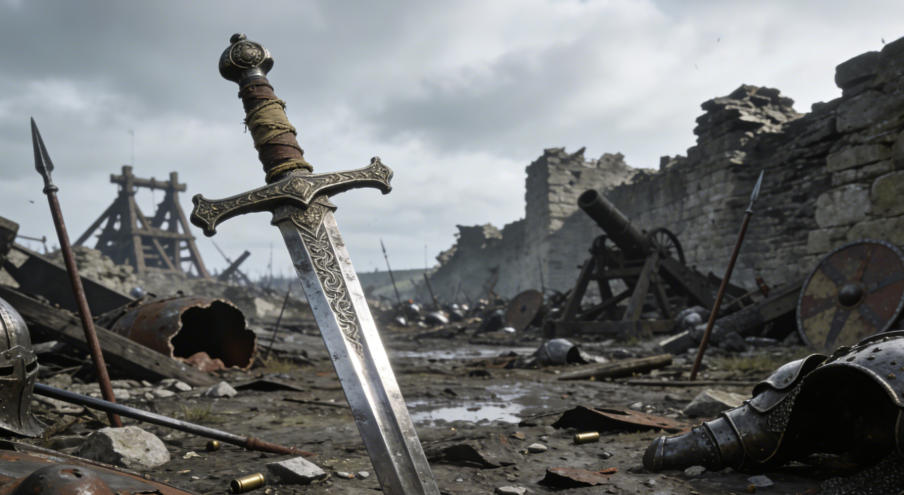
Why Was the Zweihander the Most Feared German Two-Handed Sword?
In the world of historical melee weapons, the Zweihander was one of the most impressive combat weapons in sixteenth-century Europe. It was not only a deadly instrument on the battlefield but also a symbol of the courage and martial spirit of German mercenaries. Whether among military history enthusiasts, collectors of historical weapons, or historical search topics, the zweihänder remains a highly sought-after keyword. This article provides a comprehensive analysis of this legendary sword, including its origins, design features, battlefield use, craftsmanship, and its impact on history and modern culture.
Was the Zweihander Effective?
Yes, the Zweihander was highly effective in its time, but its effectiveness depended on specific conditions and proper use.
From a tactical perspective, the Zweihander was particularly suitable for confronting dense infantry formations and pike squares. Its exceptionally long blade could cut through or push aside enemy spears, creating openings for friendly troops, making it highly effective in infantry assaults and formation-breaking tactics.
From a psychological perspective, this two-handed sword, measuring over two meters in length, had a tremendous intimidating effect on enemy soldiers. Witnessing a Zweihander wielded by a skilled warrior could instill fear and reduce enemy morale.
However, the Zweihander had limitations. Its large size and heavy weight required rigorous training and two-handed coordination to wield effectively. It was not suitable for agile movements or solo combat, and untrained soldiers could not fully exploit its power.
Overall, in the hands of trained Landsknecht soldiers, the Zweihander was a deadly and highly effective weapon, especially when facing dense infantry formations or performing formation-breaking maneuvers.

The Origins and Historical Background of the Zweihander
The Zweihander, literally meaning "two-handed sword," originated in the German region and evolved from the medieval longsword into a large two-handed sword. It reached its peak during the Renaissance, especially on European battlefields in the fifteenth and sixteenth centuries. The Zweihander became the signature weapon of German Landsknecht mercenaries, known for their advanced swordsmanship and bold tactics, frequently participating in wars involving the Holy Roman Empire and Italian city-states.
The emergence of the Zweihander was closely related to the military landscape of sixteenth-century Europe. The knightly class was in decline, heavy cavalry charges were no longer dominant, and firearms, though present, were not yet fully widespread or reliable, leaving infantry as the primary fighting force.
To counter tightly packed pike formations and well-organized enemy infantry, a heavy weapon capable of delivering significant impact in close combat was required. The long blade and two-handed design of the Zweihander perfectly met this need, allowing warriors to chop through pike formations, sever long weapons, and even intimidate enemy soldiers.
Beyond its tactical function, the Zweihander symbolized the courage and status of Landsknecht warriors. These swords were meticulously forged by skilled craftsmen, balancing combat performance with decoration and symbolic meaning. Soldiers wielding the Zweihander often wore elaborate uniforms, with ornate crossguards and pommels, highlighting their mercenary status. Owning a Zweihander represented not only combat ability but also bravery, strength, and honor, making it a key cultural symbol of German martial tradition during the Renaissance.
The Zweihander emerged at the intersection of historical, tactical, and cultural needs. It was both a practical instrument of war and a symbol of identity and power, leaving an indelible mark on European military history.
Features and Technical Specifications of the Zweihander
The Zweihander could reach a total length of 180 to 213 centimeters, significantly longer than ordinary swords. Its typical weight ranged from two to four kilograms, with some ceremonial versions being even heavier. Due to its large size, it always required two-handed use for effective handling.
The Zweihander often featured specialized guard structures, including parrying hooks designed to catch or deflect enemy weapons. The crossguard and large pommel helped balance the weight and stabilize swings. These design elements enabled the zweihänder not only to chop through pikes and halberds but also to deliver powerful strikes in close combat.
Craftsmanship: From Forging to Completion
The production of the Zweihander represented the pinnacle of medieval metallurgy and swordsmithing. Each sword required carefully selected high-carbon steel to ensure both durability and flexibility, capable of withstanding battlefield impacts and heavy strikes. Blacksmiths typically employed hand-forging techniques, repeatedly heating, folding, and hammering the steel to create a uniform and resilient blade. This process enhanced durability while maintaining a long-lasting edge.
After forging, each Zweihander underwent meticulous grinding and polishing to ensure smooth lines and balanced weight distribution. To improve functionality and aesthetic appeal, the hilt, guard, and pommel were often carved or inlaid with decorative elements, reflecting the status of the wielder and giving the sword artistic value. During the Renaissance, these decorations symbolized courage, honor, and noble identity, making the zweihänder both a weapon and a status symbol.
Since forging techniques of the time were not as precise as modern machinery, each sword bore the personal style and signature of the craftsman, including hammer marks, guard shapes, and inscriptions. These handcrafted features ensured the uniqueness of every Zweihander, making them highly collectible today among historians and antique weapon enthusiasts.

Tactical Uses of the Zweihander: Formation-Breaking Weapon
The Zweihander was not only intimidating due to its sheer size, but it also played an indispensable tactical role on the battlefield. In fifteenth- and sixteenth-century Europe, dense infantry formations and pike squares were the primary combat arrangements, and the Zweihander was specifically designed to counter these tactics.
First, it could break pike formations. When charging against a pike line, the Zweihander’s long blade and powerful strikes could sever or push aside enemy spears, creating gaps and allowing friendly infantry to advance. Compared to standard longswords, the zweihänder ’s extended reach enabled the wielder to effectively bypass enemy weapon arcs in close combat, gaining an advantage in chaotic melee.
Second, it had a psychological impact. Confronted with a two-meter-plus two-handed sword wielded with tremendous force, enemy troops were often intimidated, which lowered morale. Highly trained Zweihander soldiers needed exceptional strength, agility, and precision to strike effectively and control the battlefield, instilling fear in opponents.
Finally, the Zweihander was versatile in combat, capable of deflecting weapons, cutting through spears, sweeping multiple opponents, and even serving as a vanguard weapon leading the charge. Skilled swordmen could coordinate with shields and pike infantry, making the Zweihander an essential component of tactical formations.
The design and use of the Zweihander reflect the military intelligence of the Renaissance and demonstrate the German mercenaries’ pursuit of strength, skill, and tactical superiority. It was both a weapon of war and a cultural symbol, embodying the martial spirit and historical legacy of its era.
Historical and Modern Cultural Significance of the Zweihander
With the widespread use of firearms and evolving tactics, by the seventeenth century, the zweihänder gradually fell out of practical battlefield use and transitioned into ceremonial and symbolic weaponry.
Today, the Zweihander remains active in historical reenactments, museum displays, and popular media. Many films and games portray the Zweihander as an iconic “great sword” or heavy weapon. In role-playing and action games, it is often depicted as a high-damage weapon, which has contributed to search trends such as “great sword historical facts” and 'Zweihander combat techniques.'
Conclusion: Why the Zweihander Is Worth Knowing
The Zweihander is not only a historical melee weapon but also a cultural legend and a testament to the evolution of European battlefield tactics during the Renaissance.
It represents the pinnacle of combining strength and technique
It symbolizes the courage and prowess of German mercenaries
It continues to inspire historians, swordsmanship enthusiasts, and cultural communities today
Studying the Zweihander allows one to understand not only its construction and functionality but also provides broader insight into European military history and cultural development.

