Is this a real, battle-ready replica of Giyuu Tomioka’s sword from Demon Slayer?
Yes, this Giyuu Tomioka sword is fully hand-forged with T10 high carbon steel and clay tempered, making it a real battle-ready sword with excellent hardness and flexibility. Unlike decorative swords, this nichirin blade is functional and suitable for collection, cosplay, or real sword practice.
What makes this Giyu Sword different from other Demon Slayer replicas?
This Giyu Sword Demon Slayer replica stands out due to its full tang construction, authentic clay tempering, and polished real hamon line, closely resembling the blade seen in the anime. It's not just a display piece—this is a true artisan's katana designed with both visual accuracy and cutting performance in mind.
Does the Tomioka Katana include any signature details like engravings or the Water Hashira style?
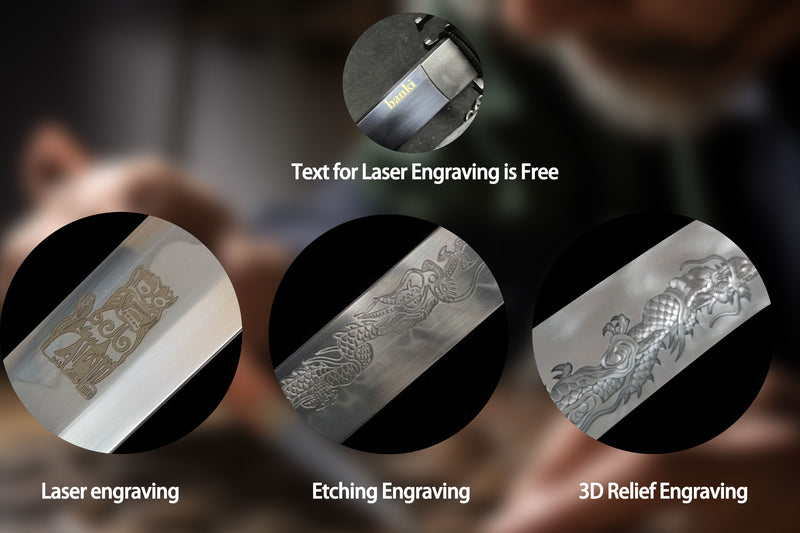
Yes! This Tomioka Katana features iconic elements such as the blue-themed handle wrapping, and high-precision craftsmanship that pays tribute to Giyuu's Water Breathing techniques. While there is no character engraving, the sword's elegance and simplicity reflect Giyuu Tomioka's calm and stoic personality.
Can I use this Giyuu Katana for display as well as martial arts training?
Absolutely. This Giyuu Katana is a perfect balance between form and function. Its authentic design makes it an excellent display sword, while its durability and sharpness make it suitable for light martial arts practice and cutting tests (tameshigiri).
Is this Giyuu Tomioka Nichirin sword suitable as a gift for a Demon Slayer fan?
Yes, it's a perfect gift for any Demon Slayer fan, especially those who love Giyuu Tomioka. With its anime-accurate design, battle-ready quality, and collectible value, this sword is a meaningful and exciting present.
How does the craftsmanship of this Giyuu Tomioka Nichirin Blade compare to traditional Japanese katana?
This Giyuu Tomioka Nichirin blade is handcrafted using traditional Japanese swordsmithing methods, including clay tempering, full tang construction, and hand polishing. While it reflects an anime katana aesthetic, its build quality is on par with many traditional battle ready katana, making it a perfect blend of anime artistry and real swordmaking.
How can you tell if a katana is real or fake?
A genuine katana is hand-forged by skilled swordsmiths using high-carbon steel with a full tang blade and traditional fittings. A fake katana or decorative samurai sword is often made from stainless steel, lacks proper balance, and is only suitable for display.
What is the difference between a battle ready katana and a replica?
A battle ready katana (functional samurai sword) is fully sharpened, heat-treated, and designed for martial arts or tameshigiri cutting. A replica katana sword looks authentic but is intended only for decoration or cosplay.
What are the main types of Japanese swords?
Traditional Japanese swords include the katana, tachi (long cavalry sword), wakizashi (short sword), tanto (dagger), and naginata (polearm). These types of samurai swords each have unique lengths, designs, and historical uses.
What is the best steel for a katana sword?
The best steel for a katana is often T10 high-carbon steel, 1095 carbon steel, or clay-tempered folded steel. These materials provide the perfect combination of hardness, flexibility, and long-lasting sharpness.
How much is a real katana?
The price of a real katana varies depending on craftsmanship, materials, and historical value. A high-quality handmade samurai sword usually costs from a few hundred dollars to several thousand.
How much does a katana weigh?
The average katana weight is between 1.1–1.4 kg (2.4–3.1 lbs). This balance allows the katana sword to be fast, responsive, and effective for cutting techniques.
What are the main katana parts called?
Key katana parts include the tsuka (handle), tsuba (guard), saya (scabbard), habaki (blade collar), and nagasa (blade). Each component affects balance, safety, and the aesthetics of a samurai sword.
Can I mount my katana on the wall?
Yes. Use a katana stand or samurai sword wall mount designed to hold the blade and scabbard securely. Display your katana sword in a safe, dry place to prevent rust and damage.
Are antique katanas still available to buy?
Yes. Antique katanas and vintage samurai swords from historical periods such as the Edo era can still be found through reputable dealers, auctions, and collectors. Always verify authenticity before purchase.
How is a katana traditionally made?
Traditional katana sword forging involves folding and hammering high-carbon steel, differential hardening to create the hamon (temper line), and hand-polishing. This centuries-old process gives each samurai sword its strength, beauty, and unique character.