


Bushido Code Explained: 7 Samurai Virtues and Meaning of Honor
- Posted by COOLKATANA
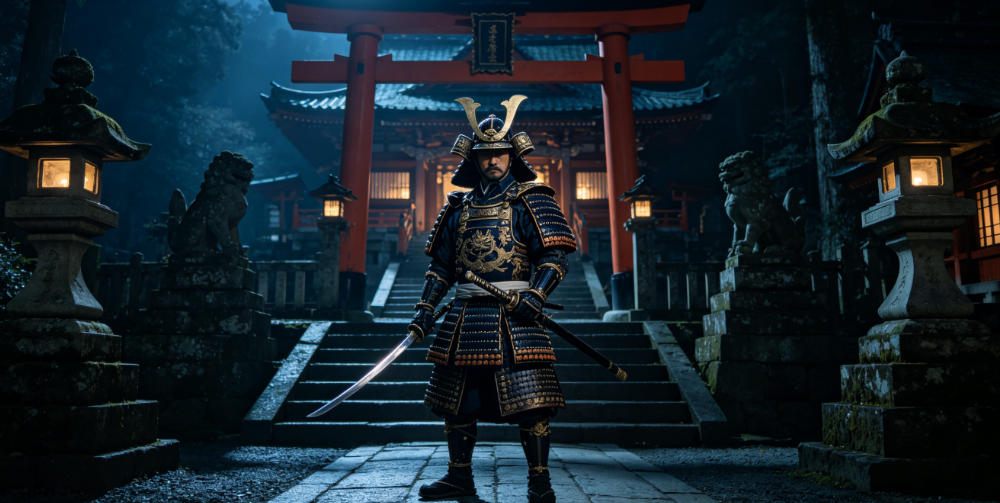
What Are the Seven Virtues of the Bushido Code and What Do They Mean?
In the heart of Japanese samurai culture, the Bushido Code is not merely a set of behavioral rules, but a complete philosophical system that governs life, death, and honor. It shaped the spiritual structure of the samurai class and continues to influence Japanese culture, aesthetics, modern cinema, anime, and martial arts philosophy.
The so-called code of bushido is not a simple checklist of rules, but a moral framework that fuses ethics, self-discipline, responsibility, and an acute awareness of death. It demands that a samurai not only show courage on the battlefield, but also maintain a consistent and disciplined character in everyday life.
Origins and Core Foundations of the Bushido Code
The Bushido Code originated during Japan’s feudal era within the samurai class. It was not created at a single point in history, but gradually evolved over centuries of warfare, rigid social hierarchy, and political necessity.
During constant conflict and structured class systems, samurai needed a framework that could regulate behavior, stabilize order, and give meaning to life and death. This necessity became the foundation of the code of bushido.

A Fusion of Multiple Philosophical Systems
The Bushido Code is a hybrid ethical system shaped by four major influences:
- Confucianism: social order, loyalty, hierarchy, and duty
- Buddhism: impermanence, death awareness, and detachment from desire
- Shinto beliefs: spiritual purity and reverence for nature and ancestors
- Battlefield reality: survival logic, rapid decision-making, and discipline
Together, these influences made the Bushido Code both deeply philosophical and highly practical.
Thus, the code of bushido is not simply a “warrior’s code,” but a broader philosophy about how a human being should exist within a fragile and uncertain world.
Its central question is:
If death can come at any moment, how should a person live a meaningful life?
What Are the Seven Virtues of Bushido?
1. Gi (義) — Justice and Moral Integrity
In the Bushido Code, “Gi” represents moral judgment that transcends personal gain.
A true samurai does not ask, “Will this benefit me?” but instead asks:
“Is this the right thing to do?”
It represents moral independence, even in the face of failure or death.
Modern interpretation:
- Making fair decisions
- Maintaining principles under pressure
- Rejecting unethical gain
Within the code of bushido, Gi is the foundation of all other virtues.
2. Yū (勇) — Courage in the Presence of Fear
Samurai courage is not recklessness, but the ability to act despite fear.
True courage includes three layers:
- Awareness of danger
- Experience of fear
- Decision to act anyway
Thus, Bushido courage is rational and conscious, not emotional impulse.
Modern meaning:
- Making decisions under pressure
- Not avoiding failure
- Accepting consequences of actions
3. Jin (仁) — Compassion and Humanity
In the code of bushido, Jin represents respect for life.
Although samurai possess lethal power, they must also exercise restraint.
Core principles include:
- Protecting the weak
- Controlling the use of violence
- Respecting life itself
This virtue distinguishes samurai from ordinary warriors—they are both fighters and moral agents.
4. Rei (礼) — Respect and Proper Conduct
Rei is not simply etiquette; it is the outward expression of inner discipline.
In the Bushido Code, Rei means:
- Respecting opponents rather than belittling them
- Maintaining restraint even in conflict
- Acting with dignity and composure
Its essence is simple: strength must be controlled by respect.
5. Makoto (誠) — Truthfulness and Integrity
In samurai society, words were considered binding contracts.
Therefore, the code of bushido demands:
- A promise must be fulfilled
- Speech must reflect truth
- No deception or hypocrisy allowed
Absolute honesty was valued even above survival.
Modern extensions include:
- Trust systems
- Professional integrity
- Long-term relationship building

6. Meiyo (名誉) — Honor and Dignity
Honor is the core value of samurai existence.
Losing honor meant:
- Collapse of social identity
- Loss of spiritual value
- Meaninglessness of existence
Therefore, every action had consequences tied to one’s reputation.
Modern parallels:
- Personal branding
- Social credibility
- Reputation management
7. Chūgi (忠義) — Loyalty and Ultimate Responsibility
Loyalty forms the structural backbone of samurai society.
Within the code of bushido, Chūgi means:
- Loyalty to one’s lord
- Absolute fulfillment of duty
- Lifelong commitment to obligations
Even in the face of death, responsibility must not be abandoned.
The Deep Logic of Bushido: A Philosophy of Death Awareness
Unlike modern value systems focused on success or happiness, the Bushido Code centers on one reality:
How does one maintain dignity in the face of inevitable death?
This “death-conscious worldview” produces three core principles:
1. Action before hesitation
Life is short; decisions must be made quickly.
2. Responsibility above personal interest
Social order depends on trust and duty.
3. Honor above life itself
Death is inevitable, but dignity can endure.
Modern Influence of the Bushido Code
Although the samurai era has ended, the code of bushido continues to shape modern culture:
✔ Martial Arts Traditions
- Kendo
- Judo
- Iaido
✔ Corporate Culture
- Loyalty-based organizational structures
- Responsibility-driven management
- Long-term decision philosophy
✔ Anime and Film
Many anime samurai sword narratives reflect Bushido values such as:
- Loyalty and sacrifice
- Conflict of honor
- Discipline versus freedom
Conclusion: Why the Bushido Code Still Matters
In the modern world, the Bushido Code is more than historical tradition—it is a reinterpretation of a philosophy of existence.
It offers a structured way of thinking:
- Maintain principles in chaos (Gi)
- Act in the presence of fear (Yū)
- Exercise restraint in power (Jin)
- Show respect in conflict (Rei)
- Remain truthful in communication (Makoto)
- Protect reputation in society (Meiyo)
- Uphold responsibility through loyalty (Chūgi)
Therefore, the code of bushido is not only part of the past—it remains a timeless framework for living with dignity in an uncertain world.

