


What Is a Samurai: Japanese Bushido, Weapons & Armor Guide
- Posted by COOLKATANA
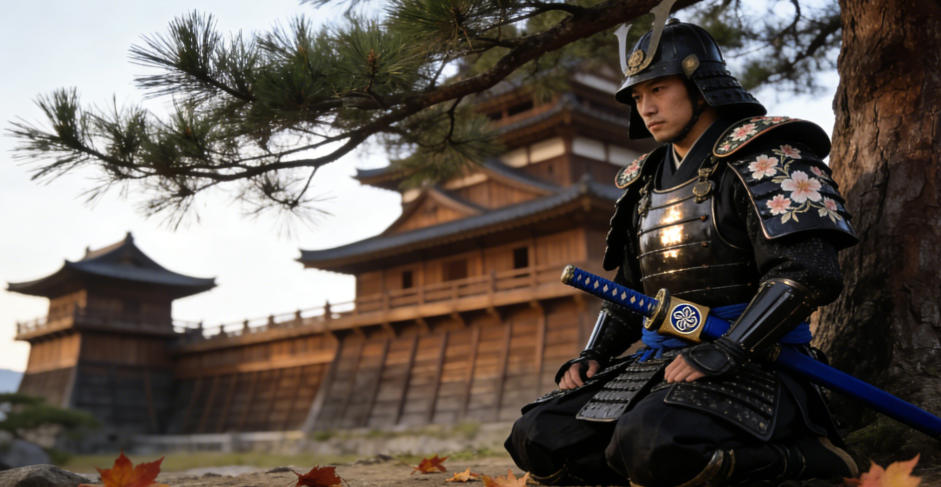
What Was a Samurai and How Did Bushido, Swords, and Armor Shape Their Life?
In Japanese history and culture, the samurai are one of the most iconic social classes. When people think of Japan, they often imagine Japanese samurai, the Japanese katana, samurai armor, and legendary samurai warriors. Samurai were not only fighters on the battlefield but also an influential social group with political, military, and cultural power in feudal Japan. This article explores what a samurai is, examining their origins, the spirit of Bushido, their equipment, and their historical development.
1. What Is a Samurai
A samurai was a member of Japan’s feudal military aristocracy and one of the most important warrior classes in Japanese history. They typically served regional lords or the shogun, protecting territory, fighting in wars, and maintaining social order. Because of their role and status, they were often referred to as samurai warriors or Japanese warriors.
The origins of the samurai can be traced back to the late Heian period. As regional powers and military clans grew stronger, samurai gradually became the primary military force serving local lords. During the shogunate period, the samurai class evolved into a stable social class that occupied a central role in Japan’s political structure.
In particular, during the Edo period and the Tokugawa era, samurai were formally established as part of the ruling class. Society was organized into strict hierarchical groups: samurai, farmers, artisans, and merchants.
During this time, samurai held not only military authority but also administrative responsibilities. They often served as government officials, judges, and local administrators. Many samurai were also scholars, artists, or strategists.
One of the most famous figures was Miyamoto Musashi, a legendary swordsman who mastered Japanese swordsmanship and wrote the influential strategy text The Book of Five Rings.
Other notable samurai leaders include Tokugawa Ieyasu, Uesugi Kenshin, and Date Masamune, all of whom played major roles during Japan’s feudal era.
Samurai were also famous for their weapons and equipment, such as the Japanese katana, traditional nihonto swords, and various samurai weapons. They wore elaborate samurai armor and distinctive helmets, forming the recognizable image of the samurai warrior.
However, the most important element of samurai culture was the Bushido code. Bushido emphasized loyalty, courage, honor, discipline, and self-sacrifice. Samurai were expected to remain absolutely loyal to their lord and uphold their honor at all times. In extreme cases, they might even perform ritual suicide known as Seppuku to preserve their honor.
Overall, the duties of a samurai included:
-
Protecting their lord and territory
-
Participating in wars and military campaigns
-
Managing local governance
-
Maintaining social order
-
Living according to the principles of Bushido
Therefore, the samurai were not simply warriors but also rulers, administrators, and cultural figures who shaped feudal Japanese society.

2. The Spirit of Bushido: Code of the Samurai
To truly understand the samurai, one must understand Bushido, the ethical and philosophical code that guided their lives.
Bushido was not merely a set of rules but a moral system that shaped how samurai behaved in battle, society, and personal life. Every samurai warrior was expected to follow its principles.
The core virtues of Bushido included:
Loyalty
Samurai were expected to show absolute loyalty to their lord. During the shogunate and Edo periods, many samurai served the same lord for their entire lives.
Courage
True samurai were expected to face danger and death without fear. Whether wielding a Japanese katana in battle or confronting a powerful enemy, bravery was essential.
Honor
Honor was one of the most important values in samurai culture. A samurai’s reputation often mattered more than life itself.
Discipline
Samurai were not only warriors but also disciplined practitioners who trained constantly in martial skills such as Japanese swordsmanship and other samurai weapons.
Integrity
Bushido emphasized honesty and moral character. Samurai were expected to act with integrity and never betray their word.
In extreme situations, when a samurai believed their honor had been irreparably damaged, they might perform Seppuku, a ritual form of suicide intended to restore personal dignity.
Over time, Bushido evolved from a warrior code into a broader social philosophy, especially during the Tokugawa era. Its ideals influenced politics, education, and social values throughout Japan.
Many samurai philosophers, including Miyamoto Musashi, integrated Bushido principles with martial philosophy, creating a worldview that combined combat strategy with life wisdom.
Even after the end of the samurai era, Bushido values—such as discipline, duty, and honor—continued to influence modern Japanese culture.
3. Samurai Equipment: Weapons and Armor
Samurai Weapons
The most famous weapon of the samurai is the Japanese katana, a curved sword known for its sharpness and craftsmanship. It belongs to the broader category of nihonto, or traditional Japanese swords.
Common samurai weapons included:
-
Katana – the iconic samurai sword
-
Japanese spear (yari) – a long pole weapon used in battle formations
-
Bisento – a heavy polearm similar to a large blade weapon
-
Japanese dagger (tanto) – a short blade used for close combat
-
Japanese war fan (gunbai) – a command tool used by generals to direct troops
A katana is composed of many detailed components—such as the blade, guard, and handle—collectively known as katana parts. These parts combine to form a complete authentic katana.
Samurai Armor
Samurai warriors wore elaborate armor known as samurai armor, designed to provide both protection and mobility.
A complete set of armor usually included:
-
Chest armor
-
Arm guards
-
Leg armor
-
Waist protection
-
Traditional samurai helmets
Many helmets were decorated with intimidating face masks such as oni masks or demon-style armor masks. These masks served both psychological and symbolic purposes on the battlefield.
Different styles and ranks of armor also reflected a samurai’s position within the military hierarchy.

4. Samurai Clothing and Appearance
Outside of battle, samurai had distinctive clothing styles that reflected their social status.
Typical samurai attire included:
-
Kimono
-
Obi (belt)
-
Hakama trousers
-
Cloaks or outer garments
These garments formed the traditional samurai outfit and were an important symbol of Japanese culture.
Headgear also played an important role, including samurai helmets and ceremonial masks.
5. Famous Samurai in History
Many legendary samurai shaped Japanese history.
Miyamoto Musashi
One of the most famous swordsmen in Japanese history, known for his undefeated duels and the creation of the Niten Ichi-ryu sword style.
Uesugi Kenshin
A powerful warlord of the Sengoku period, often called the “God of War.”
Date Masamune
A prominent daimyo known for his distinctive armor and political influence.
Hattori Hanzo
A samurai commander closely associated with ninja traditions.
Tokugawa Ieyasu
The leader who unified Japan and established the Tokugawa shogunate.
6. Samurai vs Ninja
A common comparison in Japanese culture is samurai vs ninja.
The differences are significant.
Samurai
-
High social status
-
Followed the Bushido code
-
Fought openly in battle
Ninja
-
Specialists in espionage and assassination
-
Skilled in stealth and infiltration
-
Used unconventional tactics
While samurai represented honor and order, ninja were often associated with secrecy and intelligence operations.
7. When Did the Samurai Era End
Many people ask: When did the samurai disappear?
The samurai class reached its peak during the Edo period, but the system began to collapse in the 19th century during Japan’s modernization.
The samurai era effectively ended after the Meiji Restoration, when the feudal system was abolished and Japan began transforming into a modern nation-state.
8. The Modern Influence of Samurai Culture
Although the samurai class no longer exists, samurai culture continues to influence modern society.
Today, samurai themes appear in many areas, including:
-
Movies and anime
-
Historical weapon collecting
-
Traditional Japanese crafts
-
Samurai-themed clothing and cultural events
Collectors often display swords using a katana stand, while enthusiasts participate in cultural experiences such as samurai costume events.
The samurai image also appears in modern symbols—for example, Japan National Football Team, whose nickname is Samurai Blue.
Conclusion
The samurai were far more than warriors—they were symbols of honor, loyalty, and discipline in Japanese history. From samurai weapons and samurai armor to the philosophy of Bushido, the legacy of the samurai continues to fascinate people around the world.
Even though the samurai era has ended, the spirit of the Japanese samurai still shapes cultural identity, historical study, martial arts traditions, and global fascination with Japan’s legendary warrior heritage.

