


Red Sanada Samurai Armor: History, Meaning & Bushido Spirit
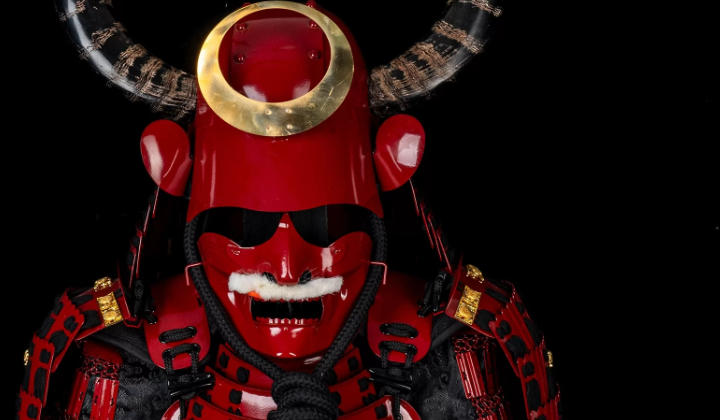
What Is Red Sanada Samurai Armor?
The Red Sanada Samurai Armor, also known as Sanada Nobuyuki armor or red Yoroi armor, is one of the most iconic symbols of Japan’s Sengoku period. Recognized for its bold crimson color and powerful presence, this armor represents courage, loyalty, and the enduring spirit of the samurai.
More than simple battlefield protection, it served as a statement of identity and status. Today, it remains a key topic in samurai armor history, Japanese warrior culture, and feudal Japan military gear.
The History of the Sanada Clan
The Sanada Clan rose to prominence during the 16th century despite facing stronger rivals. Through strategy, resilience, and tactical brilliance, they earned a lasting reputation in Japanese history.
Sanada Nobuyuki, a prominent leader of the clan, was known for his wisdom and loyalty. Alongside his brother, he helped strengthen the clan’s influence during a time of constant warfare.
Their distinctive red samurai armor became a symbol of fearless warriors, often associated with discipline, unity, and battlefield excellence.

What Is Samurai Armor Called?
Traditional samurai armor is referred to as Yoroi, while the helmet is known as a Kabuto. These terms are essential in understanding Japanese samurai armor design, feudal Japan warfare equipment, and traditional warrior gear.
A complete set of samurai armor is a highly sophisticated system designed to balance protection, flexibility, and mobility. It typically includes:
- Kabuto (Helmet) – Often elaborately decorated with crests, horns, or symbolic ornaments representing clan identity, rank, and personal beliefs. Some kabuto also featured intimidating facial masks (menpō) to strike fear into enemies.
- Dō (Chest Armor) – The core protective cuirass that shields the torso from arrows, blades, and blunt force. It was carefully shaped to provide both defense and comfort during long battles.
- Sode (Shoulder Guards) – Large rectangular plates that protect the shoulders and upper arms while allowing freedom of movement in combat.
- Kote (Arm Guards) – Flexible armored sleeves reinforced with chainmail and small plates, offering protection without restricting agility.
- Haidate (Thigh Guards) – Designed to protect the upper legs while maintaining mobility for walking, riding, and fighting.
- Suneate (Shin Guards) – Metal or leather guards that protect the lower legs from strikes and environmental hazards.
Together, these components form a modular armor system that allows samurai warriors to move efficiently while maintaining strong defensive coverage. This balance made Yoroi highly effective in both mounted combat and close-quarters fighting.
The Symbolism of Red Samurai Armor
The deep crimson color, often referred to as Sanada Red, carries powerful symbolic and psychological meaning in samurai culture. Color was never chosen randomly—it reflected identity, values, and battlefield strategy.
- Courage and Bravery – Red symbolizes blood, fire, and fearlessness, representing a warrior’s willingness to face death in battle.
- Loyalty and Sacrifice – It reflects unwavering devotion to one’s lord, clan, and the principles of Bushido.
- Psychological Intimidation – Bright red armor made warriors highly visible, projecting confidence and striking fear into opponents before combat even began.
Historically, red-armored units were often associated with elite or highly aggressive forces. Their bold appearance signaled strength, discipline, and a readiness to charge into battle without hesitation. This visual impact made them both feared by enemies and admired by allies.
Craftsmanship of Red Sanada Yoroi
Traditional Handcrafting
Authentic Red Sanada Samurai Armor is crafted using traditional techniques that have been refined over centuries. Each piece is carefully handmade, requiring patience, precision, and deep knowledge of historical armor construction.
The process involves shaping individual plates, drilling holes for lacing, assembling sections, and applying decorative elements. Skilled artisans must ensure that every component fits perfectly, maintaining both functionality and historical accuracy.
High-Quality Materials
The effectiveness and beauty of samurai armor come from its carefully selected materials. Typical components include:
- Iron or Steel Plates – Provide strong resistance against weapons while remaining relatively lightweight
- Silk or Cotton Lacing (Odoshi) – Connects the armor plates, allowing flexibility and shock absorption
- Leather Elements – Often used to reinforce sections and add durability
- Natural Lacquer Coatings – Protect the armor from moisture, rust, and environmental damage
This combination of materials ensures that the armor is not only durable but also adaptable to different combat situations.
Lacquer and Finishing Techniques
One of the most distinctive features of Red Sanada Yoroi is its lacquer finish. Multiple layers of natural lacquer are applied to the armor plates, creating a smooth, glossy surface that enhances both appearance and longevity.
The rich red color is achieved through careful pigment application, resulting in a deep, vibrant tone that stands out on the battlefield. Beyond aesthetics, lacquer also serves a practical purpose by sealing the armor against humidity and corrosion.

Balance of Function and Art
What makes Red Sanada Samurai Armor truly remarkable is its ability to combine practical battlefield performance with artistic expression. Every detail—from the curve of the plates to the color of the lacing—reflects a harmony between utility and beauty.
This fusion of craftsmanship and symbolism is why samurai armor is not only considered military equipment but also a form of cultural art that continues to inspire collectors and historians today.
Lacquer Finish
Multiple layers of lacquer are applied to protect the armor and create its signature glossy red appearance. This process also helps prevent corrosion and extends the lifespan of the armor.
Key Design Features
Distinctive Kabuto Helmet
The kabuto often features bold decorations such as antlers or crests, symbolizing rank and identity.
Flexible Lamellar Structure
The armor is constructed from small plates tied together, allowing:
- Greater mobility in combat
- Even weight distribution
- Effective protection
Realistic Sengoku Design
Authentic reproductions follow historical proportions, giving a true sense of how samurai warriors appeared during the Sengoku period.
Bushido and Samurai Identity
The Red Sanada Samurai Armor is closely tied to Bushido, the ethical code of the samurai.
Core values include:
- Honor
- Loyalty
- Courage
- Discipline
For samurai warriors, armor was not just equipment—it was an extension of their identity and a reflection of their moral code.
Modern Popularity and Collecting
Today, Red Sanada Samurai Armor is highly sought after by:
- Collectors of historical armor
- Japanese culture enthusiasts
- Martial arts practitioners
- Cosplayers and reenactors
Popular search terms include:
- life size samurai armor replica
- handcrafted samurai Yoroi
- Sengoku armor display
- Japanese samurai armor for sale
Its cultural significance and striking design make it both a display piece and a collector’s treasure.
Why Red Sanada Armor Stands Out
Compared to other samurai armor styles, this armor is unique because of:
- Its bold red lacquer finish
- Strong association with a famous clan
- Deep symbolic meaning
- Exceptional craftsmanship
It represents not only protection, but also legacy and identity.
Handmade Red Sanada Nobuyuki Clan Samurai Armor, Life-Size Yoroi

Conclusion
The Red Sanada Samurai Armor is a powerful symbol of honor, courage, and tradition. Rooted in the Sengoku period, it reflects the strength and resilience of the samurai and the enduring philosophy of Bushido.
With its striking design, historical depth, and cultural importance, it continues to captivate collectors and enthusiasts around the world.

