


Japanese Sword Names Explained: Weapons in Japanese & Cool Sword Names
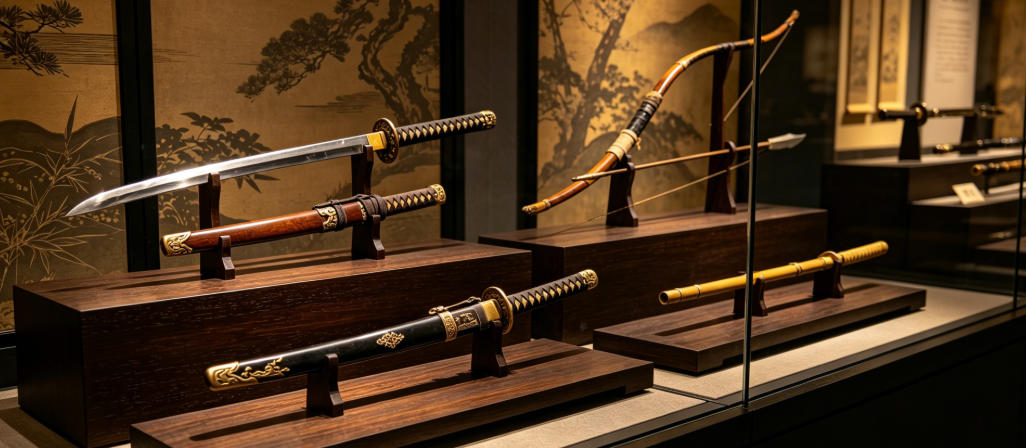
What Are the Most Famous Japanese Sword Names and Cool Sword Names?
In Japanese samurai culture, swords were more than battlefield weapons—they were symbols of status, honor, craftsmanship, and warrior spirit. Whether you're a history enthusiast, anime fan, sword collector, or someone searching for Japanese sword names, weapons in Japanese, or cool sword names, understanding the different types of Japanese swords can provide valuable insight into one of the world's most fascinating martial traditions.
This guide explores the most common Japanese sword names, traditional Japanese weapons, and some of the most legendary sword names in history and popular culture.
What Are Japanese Sword Names?
Japanese sword names refer to the various classifications and specific names given to swords throughout Japanese history. These names are typically based on a sword's length, purpose, method of wear, historical period, and forging style, creating a rich and diverse sword classification system.
Many people assume that every Japanese sword is simply called a Katana, but in reality, Katana is only one of many Japanese sword types. Throughout history, Japan has produced numerous sword varieties, including the Tachi, Wakizashi, Tanto, Nodachi, and Odachi, each designed for specific combat situations and social functions.
The development of Japanese sword names closely followed the rise of the samurai class. From the Heian Period through the Edo Period, changes in warfare and military tactics continuously influenced sword design. Cavalry-focused weapons such as the Tachi eventually evolved into the Katana, while shorter blades like the Wakizashi and Tanto became essential sidearms for samurai.
Beyond historical sword classifications, many famous blades gained individual names, including legendary weapons such as Masamune, Muramasa, and Kusanagi. These names represent not only physical weapons but also centuries of mythology, craftsmanship, and cultural heritage.
Today, interest in Japanese sword names, samurai sword names, traditional Japanese swords, and cool sword names continues to grow worldwide through historical studies, collecting, anime, video games, and martial arts.

Common Japanese Sword Names
1. Katana
Among all Japanese sword names, the Katana is undoubtedly the most famous. It was the primary weapon of the samurai class and remains the most recognizable Japanese sword worldwide.
A traditional Katana typically features:
-
A blade length of approximately 60–80 cm
-
A single-edged curved blade
-
Two-handed operation
-
Edge-up wearing style
The unique carrying position allowed samurai to draw and strike in a single fluid motion, making the Katana highly effective in combat.
Today, the Katana has become synonymous with Japanese sword culture. Whether used for martial arts training, historical study, or collecting, hand-forged samurai swords remain among the most sought-after blades in the world.
2. Wakizashi
The Wakizashi was the samurai's companion sword and an essential part of Japanese sword culture. Measuring between 30 and 60 cm, it offered excellent maneuverability in confined spaces.
During Japan's feudal era, samurai commonly carried both a Katana and Wakizashi. This paired set was known as the Daisho, symbolizing social rank, honor, and warrior status.
Because long swords were often prohibited indoors, the Wakizashi frequently served as a samurai's primary defensive weapon inside castles and official buildings.
3. Tanto
The Tanto is one of Japan's most iconic dagger-style weapons. Though small in size, it was crafted using many of the same techniques employed in traditional sword making.
Most Tanto blades measure less than 30 cm and were valued for:
-
Close-quarters combat
-
Self-defense
-
Piercing attacks
-
Backup battlefield use
In addition to military applications, the Tanto also held ceremonial and cultural significance. Antique examples are highly prized among collectors and continue to influence modern knife design.
4. Tachi
The Tachi predates the Katana and served as one of the most important weapons of Japan's mounted warriors.
Compared to the Katana, the Tachi generally features:
-
A longer blade
-
Greater curvature
-
Edge-down suspension from the belt
During the Heian and Kamakura periods, cavalry warfare dominated the battlefield, making the Tachi the preferred weapon of elite samurai. As infantry combat became more common, the Katana gradually replaced the Tachi, although many elements of modern sword design originated from this earlier blade.
5. Nodachi
Often referred to as Japan's great sword, the Nodachi was designed for large-scale battlefield combat.
Key characteristics include:
-
Blade lengths often exceeding 90 cm
-
Two-handed operation
-
Exceptional reach and cutting power
The Nodachi excelled in open battlefields and could be effective against infantry formations and mounted opponents. However, its enormous size made carrying and drawing the weapon difficult.
Today, the Nodachi remains popular in anime, films, and video games due to its dramatic appearance and impressive scale.
6. Odachi
Although often confused with the Nodachi, the Odachi occupies a unique place in Japanese sword history.
Some surviving Odachi examples exceed 120 cm and even reach lengths of 150 cm or more.
These massive swords served multiple purposes:
-
Battlefield weapons
-
Ceremonial displays
-
Religious offerings
-
Symbols of power and prestige
Due to their extraordinary size, Odachi required exceptional skill to forge and remain among the most impressive examples of Japanese sword craftsmanship.
7. Chokuto
The Chokuto represents one of the earliest sword designs in Japanese history.
Unlike later curved swords, the Chokuto featured:
-
A straight blade
-
Minimal curvature
-
Strong influence from ancient Chinese and Korean sword designs
Before the Nara Period, Chokuto blades were commonly used by warriors and nobles. Although later replaced by curved sword designs better suited for cutting and mounted combat, the Chokuto laid the foundation for the development of all later Japanese swords.
For historians and collectors, it remains an important link in the evolution of Japanese blade technology.
Weapons in Japanese: Common Traditional Japanese Weapons
Beyond swords, many people searching for weapons in Japanese are interested in other traditional Japanese arms.
| English Name | Japanese Name | Meaning |
|---|---|---|
| Sword | Ken (剣) | Sword |
| Katana | Katana (刀) | Samurai Sword |
| Spear | Yari (槍) | Spear |
| Polearm | Naginata (薙刀) | Glaive |
| Bow | Yumi (弓) | Japanese Bow |
| Dagger | Tanto (短刀) | Dagger |
| War Fan | Tessen (鉄扇) | Iron Fan |
| Club | Kanabo (金棒) | War Club |
These traditional Japanese weapons frequently appear in anime, games, historical literature, and martial arts studies.

The Most Popular Cool Sword Names
Beyond traditional Japanese sword names, many fans are fascinated by legendary and fictional blades. These cool sword names often combine mythology, history, and popular culture to create some of the most memorable weapons ever imagined.
Kusanagi
Among all cool sword names, Kusanagi holds one of the highest positions in Japanese mythology.
Known as one of Japan's Three Sacred Treasures, Kusanagi symbolizes divine authority and imperial legitimacy.
According to legend, the storm god Susanoo discovered the sword within the tail of the eight-headed serpent Yamata no Orochi and later presented it to the sun goddess Amaterasu.
Today, Kusanagi remains one of the most famous legendary Japanese swords in anime, gaming, and fantasy fiction.
Muramasa
Muramasa refers to one of Japan's most famous swordsmith traditions and has become synonymous with cursed blades.
Stories surrounding Muramasa swords describe them as:
The Demon Blade
Over time, folklore transformed Muramasa into a symbol of danger, bloodlust, and supernatural power. Whether historically accurate or not, these stories helped establish Muramasa as one of the most recognizable cool sword names in modern media.
Masamune
If Muramasa represents mystery, Masamune represents perfection.
Widely regarded as Japan's greatest swordsmith, Masamune's blades are celebrated for their beauty, craftsmanship, and exceptional quality.
In countless RPGs, anime series, and fantasy stories, Masamune is often portrayed as an ultimate weapon, making it one of the most iconic sword names in popular culture.
Yubashiri
Yubashiri gained worldwide fame through the anime One Piece.
As one of Zoro's swords, Yubashiri was known for its:
-
Lightweight construction
-
Exceptional sharpness
-
High-speed combat style
Although later destroyed in the story, Yubashiri remains one of the most beloved anime swords among fans.
Enma
One of the most popular cool sword names in recent years is Enma.
Also appearing in One Piece, Enma is a legendary blade once wielded by Kozuki Oden. Unlike ordinary swords, Enma possesses the ability to draw out the wielder's Haki, making it an exceptionally dangerous and powerful weapon.
Its dramatic backstory and unique abilities have made Enma one of the most discussed anime swords worldwide.
Ame no Habakiri
Another legendary blade from Japanese mythology is Ame no Habakiri.
According to tradition, it was the sword used by Susanoo to slay Yamata no Orochi.
As a symbol of divine victory and heroic achievement, Ame no Habakiri continues to inspire modern fantasy stories, games, and anime.
For enthusiasts of mythical weapons, it remains one of the most fascinating cool sword names in Japanese lore.
Shusui
Shusui is another famous sword from One Piece and one of the series' renowned black blades.
Originally wielded by the legendary swordsman Ryuma, Shusui possesses tremendous historical and symbolic significance within the story.
Its dark blade, powerful reputation, and striking appearance have made it a favorite among collectors, cosplayers, and anime fans.
Why Are Cool Sword Names So Popular?
The enduring popularity of legendary sword names comes from their unique combination of:
-
Japanese mythology and folklore
-
Samurai history and culture
-
Master swordsmith craftsmanship
-
Anime and video game influence
-
Sword collecting and customization culture
From Kusanagi, Muramasa, and Masamune to Enma, Yubashiri, and Shusui, these names have evolved beyond ordinary weapons and become symbols of power, history, and imagination.
Handmade Japanese Samurai Katana, WWII Command Sword 9260 Spring Steel Full Tang Clay Tempered

Conclusion
From Katana, Wakizashi, Tanto, Tachi, and Nodachi to legendary blades such as Kusanagi, Muramasa, and Masamune, the world of Japanese sword names reflects centuries of craftsmanship, warfare, mythology, and cultural tradition.
Whether you are exploring weapons in Japanese, researching historical samurai weapons, or searching for the most iconic cool sword names, understanding these legendary blades offers a deeper appreciation of Japanese history, sword-making artistry, and the enduring legacy of the samurai.

