


440C Stainless Steel Guide: Properties, Uses, and Blade Performance
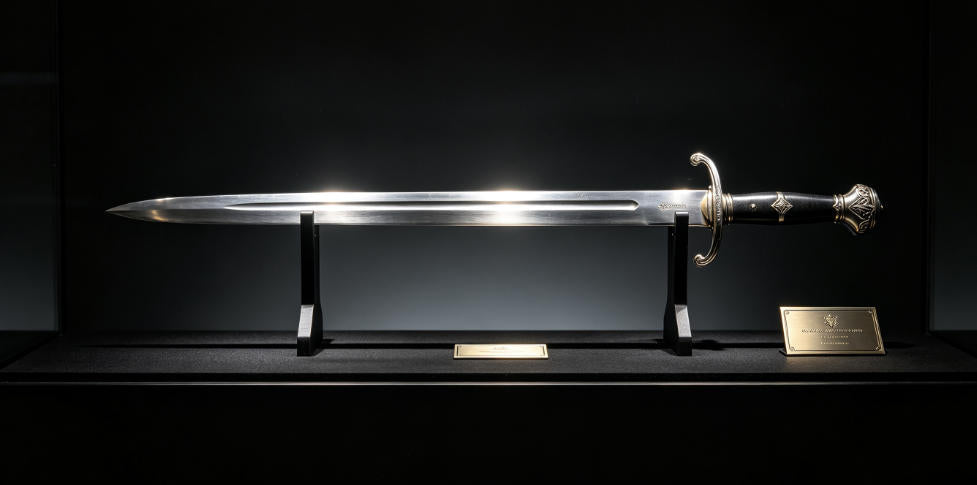
What Is 440C Stainless Steel? A Complete Guide to 440C Steel Properties and Uses
In the world of swords, knives, and metal craftsmanship, steel is one of the most important factors that determines the performance, durability, and value of a piece. Different types of steel are designed for different purposes — some focus on extreme hardness, some prioritize toughness and impact resistance, while others emphasize corrosion resistance and easy maintenance. Among them, 440c stainless steel is one of the most classic and widely recognized modern knife materials.
With its excellent hardness, strong corrosion resistance, and outstanding polishing performance, 440c steel is widely used in various cutting tools, including hunting knives, kitchen knives, outdoor blades, collector knives, and some modern sword replicas. Although many traditional sword enthusiasts are more familiar with materials such as 1095 high carbon steel, 1060 carbon steel, and T10 steel, 440C continues to hold an important position in the modern knife and collectible weapon market due to its unique advantages.
So, what is 440c stainless steel? What makes 440C steel special? Is it suitable for sword making? How does it compare with other popular blade steels? This article will provide a complete overview of 440C steel’s history, material characteristics, performance advantages, and applications in modern sword collecting.
What Is 440C Stainless Steel?
440c stainless steel is a high-carbon martensitic stainless steel that belongs to the 440 series of stainless steels. It is the highest carbon grade among the three main types of 440 stainless steel.
The 440 series mainly includes:
- 440A Stainless Steel
- 440B Stainless Steel
- 440C Stainless Steel
The biggest difference between these steels is their carbon content, which directly affects hardness, wear resistance, and edge retention.
440A Stainless Steel focuses more on corrosion resistance and toughness, making it suitable for general-purpose knives.
440B Stainless Steel provides a balance between hardness and rust resistance.
440C Stainless Steel, with its higher carbon content, can achieve greater hardness after proper heat treatment, making it one of the most popular choices in the 440 series.
Because of these characteristics, 440c steel is frequently used for high-quality knives, collectible blades, outdoor tools, and metal products that require both attractive appearance and reliable performance.

The History of 440C Steel: From Industrial Material to Knife-Making Classic
The development of stainless steel can be traced back to the early 20th century. Throughout human history, sword and tool makers have always faced one major challenge:
How can a material achieve sharpness, hardness, and corrosion resistance at the same time?
Traditional high carbon steel offers excellent hardness and cutting performance, but it has one major disadvantage — it is more vulnerable to oxidation and rust, especially in humid environments.
To solve this problem, steel engineers began adding chromium (Cr) to steel compositions. When chromium reaches a certain percentage, it creates a protective oxide layer on the surface of the steel, improving corrosion resistance.
The 440 series was developed under this industrial demand and gradually became widely used in:
- Industrial components
- Medical instruments
- Precision tools
- Knife manufacturing
Among them, 440C gained popularity because of its higher hardness and balanced performance, eventually becoming a classic material in the modern knife industry.
Material Characteristics of 440C Stainless Steel
The performance of 440c stainless steel comes mainly from its chemical composition. Chromium provides excellent corrosion resistance, while the higher carbon content improves hardness and wear resistance.
The high chromium content is one of the biggest differences between 440C and traditional carbon steels. Chromium helps create a protective layer on the steel surface, improving oxidation resistance and making the blade easier to maintain.
Compared with traditional high carbon steels such as 1095 Carbon Steel, 440C provides significantly better rust resistance.
At the same time, its higher carbon content allows 440C to achieve excellent hardness after proper heat treatment, providing better edge retention and wear resistance. This is why many high-quality knife manufacturers choose 440C as a blade material.
Main Performance Advantages of 440C Steel
High Hardness and Excellent Wear Resistance
One of the biggest advantages of 440c steel is its high hardness.
After proper heat treatment, 440C can achieve excellent hardness, allowing the blade to maintain stable performance during long-term use.
Higher hardness means:
- The edge wears down more slowly;
- Sharpness lasts longer;
- Cutting performance remains more consistent.
Because of this, 440C is suitable for tools that require long-lasting sharpness, including outdoor knives, hunting knives, tactical knives, and collectible blades.
Excellent Corrosion Resistance
Compared with ordinary carbon steel, one of the biggest advantages of 440C is its easier maintenance.
Due to its high chromium content, 440C can resist oxidation and environmental corrosion, making it much less likely to develop rust.
This makes it especially suitable for:
- Humid environments;
- Outdoor tools;
- Everyday knives;
- Long-term collection storage.
For collectors who do not want to spend excessive time maintaining their blades, 440C provides a very convenient option.
Outstanding Surface Finish and Appearance
Besides performance, 440C also offers excellent visual qualities.
After fine processing and polishing, 440C can achieve:
- Mirror-like finishes;
- Smooth metallic texture;
- Premium collectible appearance.
For this reason, many collectible knives and display swords use 440C steel to enhance their overall appearance.
Applications of 440C Stainless Steel in Sword Manufacturing
Traditional Japanese swords typically use materials such as:
- Tamahagane (traditional Japanese steel)
- 1095 Carbon Steel
- 1060 Carbon Steel
- T10 Tool Steel
However, the modern sword collecting market offers much more variety.
440c stainless steel sword products are commonly used for:
- Collectible swords;
- Display blades;
- Movie sword replicas;
- Artistic weapons.
The advantage of 440C is not that it recreates traditional Japanese sword forging techniques, but that it provides a stable, attractive, and easy-to-maintain option for modern collectors.
For those who enjoy collecting movie weapons, decorative swords, or modern blade designs, 440C steel offers excellent long-term appearance and storage performance.
440C Steel vs Other Common Sword Steels
440C Stainless Steel vs 1095 Carbon Steel
1095 Carbon Steel is one of the most popular high carbon steels used in traditional sword manufacturing.
Advantages of 440C Stainless Steel:
- Better corrosion resistance;
- Easier maintenance;
- Better appearance preservation.
Advantages of 1095 Carbon Steel:
- Higher hardness potential;
- Excellent cutting performance;
- Closer to traditional sword materials.
If you prefer traditional sword characteristics, 1095 steel is often favored. If you value easy maintenance and corrosion resistance, 440C is a better choice.
440C Steel vs 1060 Carbon Steel
1060 Carbon Steel is widely used for katana replicas because of its balanced toughness and performance.
Compared with 440C:
440C:
- Better corrosion resistance;
- Easier maintenance;
- More suitable for display and collection.
1060:
- Better toughness;
- Stronger impact resistance;
- Closer to traditional sword requirements.
Neither steel is absolutely better — they are designed for different purposes.

Is 440C Stainless Steel Suitable for a Real Katana?
This is a common question among sword enthusiasts.
From the perspective of traditional Japanese sword making, 440C is not a traditional katana steel.
Authentic Japanese sword craftsmanship emphasizes:
- Hand forging techniques;
- Steel folding methods;
- Swordsmith expertise;
- Traditional heat treatment processes.
440C, on the other hand, is a modern industrial stainless steel mainly designed for contemporary blade manufacturing.
However, from a modern collecting perspective, a 440c stainless steel sword still has its own value.
It is especially suitable for:
- Movie sword collections;
- Display swords;
- Decorative artworks;
- Collectible replicas.
It represents modern metal engineering rather than traditional Japanese sword forging culture.
How to Maintain a 440C Steel Sword or Knife?
Although 440C offers excellent corrosion resistance, proper care can still extend the lifespan of a blade.
Recommended maintenance:
Keep the blade clean and avoid leaving fingerprints, sweat, or dust on the surface for long periods.
Store the sword or knife in a dry environment and avoid prolonged exposure to moisture.
For long-term collectors, using professional blade maintenance oil occasionally can help protect the surface.
Proper maintenance not only preserves the blade’s shine but can also increase its collectible value.
Why Is 440C Stainless Steel Still Popular Today?
With the development of modern metallurgy, many advanced steels have entered the market, including:
- D2 Steel
- VG10 Steel
- S30V Steel
- S35VN Steel
- CPM Series Steels
These newer materials may offer advantages in certain areas, but 440C remains widely used.
The reason is its excellent balance between:
- High hardness;
- Corrosion resistance;
- Processing ability;
- Reliable performance;
- Reasonable production cost.
For decades, 440C has remained a proven and trusted stainless steel material.
440C Stainless Steel: A Classic Material in the Modern Blade World
From industrial manufacturing to collectible swords, from outdoor tools to artistic creations, 440c stainless steel has become a classic representative of modern steel development.
It does not represent ancient forging traditions like traditional high carbon steels, nor does it pursue extreme performance like modern powder metallurgy steels. Instead, it has maintained long-term popularity because of its stable and reliable characteristics.
For enthusiasts interested in 440c steel knife, stainless steel sword, sword replica, collector knives, and custom swords, understanding the properties of 440C steel can help them choose the right blade for their needs.
440C Stainless Steel is not just a material — it represents another possibility created by the combination of modern metal technology and traditional blade culture.
It proves that the value of an excellent sword or knife does not only come from history and tradition, but also from innovation, design, and advanced craftsmanship.

