


Ghost of Yotei Atsu Katana: Damascus Steel Samurai Sword Guide
Why Is the Ghost of Yotei Atsu Katana So Popular Among Samurai Sword Collectors?
A truly captivating katana is never just a piece of cold metal.
It carries the memories of an era, the beliefs of a warrior, and a story that refuses to be forgotten.
For hundreds of years, the Japanese sword has been regarded as one of the most important symbols of the samurai spirit. From life-and-death battles during Japan’s Warring States period to the pursuit of etiquette, discipline, and identity during the peaceful Edo era, the Japanese katana has evolved from a simple battlefield weapon into a collectible artwork that combines history, craftsmanship, and cultural value.
Today, with the rise of video games and modern pop culture, the samurai sword has gained a new form of life.
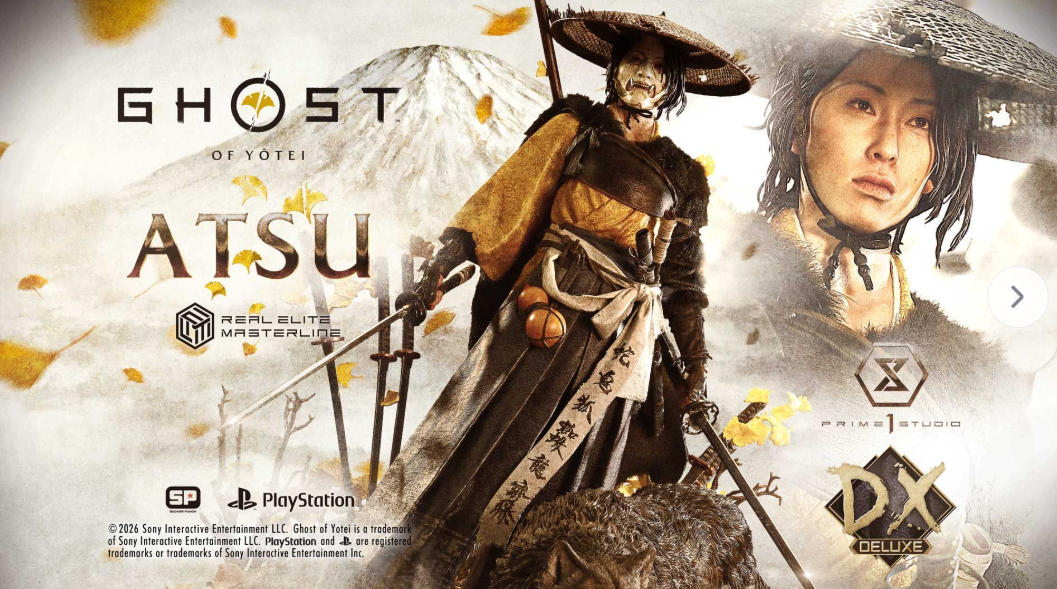
The Ghost of Yotei Atsu Katana Damascus Steel is a themed katana created through the fusion of traditional Japanese sword culture and modern gaming aesthetics.
Inspired by the sword wielded by the character Atsu, this katana incorporates the cold, determined spirit of northern revenge into its design. Featuring a blade crafted from beautifully patterned Damascus Steel, this Ghost of Yotei katana delivers not only a powerful visual impact but also a unique collectible appeal.
For collectors and fans of the Ghost of Yotei sword, Atsu Katana, Damascus katana, samurai sword, and Japanese sword replica, this is more than just a game-inspired weapon. It is a collectible piece that connects the fantasy world, Japanese samurai culture, and modern sword craftsmanship.
Who Is Atsu in Ghost of Yotei? The Story Behind the Katana
The story of Ghost of Yōtei takes place in early 17th-century northern Japan, in the historical region of Ezo (蝦夷), which corresponds to modern-day Hokkaido. The story follows Atsu, a wandering warrior who embarks on a journey driven by revenge against those who destroyed her past.
Unlike Jin Sakai from Ghost of Tsushima, who represents the traditional image of a samurai, Atsu is portrayed more as a lone avenger.
She has no powerful family backing.
She has no secure position in society.
What she has is only her determination — and the katana sword in her hands.
In Japanese culture, a sword is not merely a weapon. It is a symbol of identity and spirit.
A samurai’s blade represents status.
A swordsmith’s creation represents dedication and skill.
And the sword carried by a wandering warrior represents their past, beliefs, and future.
Therefore, the Ghost of Yotei Atsu Katana is not simply a combat tool. It is an important part of Atsu’s personal journey and story.
This is why the Ghost of Yotei sword attracts both gamers and sword collectors.
It represents more than a fictional character.
It represents the spirit of a warrior who faces destiny alone.
Why Can a Katana Tell Someone’s Story?
In many samurai legends and historical stories, the sword does not exist separately from its owner.
It is deeply connected to the warrior’s experiences.
A young samurai’s sword may symbolize growth.
A ronin’s sword may represent a life of wandering.
A general’s blade may represent power and authority.
And the sword of a person seeking revenge may represent memories that can never be forgotten.
According to the official introduction of Ghost of Yōtei, Atsu is a lone warrior who travels across Ezo in search of those responsible for her family’s destruction. However, the story goes beyond revenge itself, gradually exploring new relationships, healing, and redemption.
This gives the sword a much deeper meaning within the story.
It can be a weapon.
It can also be a memory.
It may represent anger.
But it can also remind someone why they continue moving forward.
Therefore, the appeal of a Ghost of Yotei sword replica is not only about recreating a specific appearance.
More importantly, it allows collectors to enter that world of snowy landscapes, mountains, wandering warriors, and legendary samurai blades through a physical piece of art.

From Samurai Tradition to Game Culture: Why Does the Katana Have Timeless Appeal?
The development of the Japanese sword spans more than a thousand years of history. From its early role as a battlefield weapon to its later evolution into a symbol of samurai identity, craftsmanship, and philosophy, the samurai sword has long represented far more than combat.
Especially during the Edo period, when long periods of peace reduced the need for large-scale warfare, the katana became increasingly associated with samurai status, family heritage, swordsmithing traditions, and personal discipline. For warriors, the sword represented not only strength but also responsibility, honor, and self-control.
A high-quality samurai sword requires more than an elegant appearance. It reflects the maker’s understanding of balance, proportion, and overall structure. From the curve of the blade and the angle of the edge to the length of the handle and the design of the tsuba (hand guard), every detail contributes to the final beauty and harmony of the sword.
Today, modern collectors continue to appreciate the Japanese katana because of this connection between craftsmanship and cultural meaning. The difference is that people now discover Japanese swords through many different channels. Besides historical research, movies, anime, and video games have become important ways for many people to first experience the world of samurai blades.
As a result, themed swords like the Ghost of Yotei katana have become an important bridge between traditional Japanese sword culture and modern entertainment.
They allow younger collectors to discover the historical charm behind the katana sword through familiar stories and characters, while helping traditional sword culture continue to thrive in the modern era.
Damascus Steel Katana: Why Is Damascus Steel So Popular Among Collectors?
The blade has always been one of the most important elements of a samurai sword, and one of the greatest attractions of a Damascus Steel Katana is its unique and artistic surface pattern.
Damascus steel is highly valued by collectors because of its layered structure and distinctive visual patterns. Through specialized forging and finishing processes, the surface of the blade can display flowing designs that resemble water waves, clouds, or natural textures, giving every Damascus katana a unique appearance.
Even when two Damascus steel swords are created using the same design, the pattern variations on the blades can make each piece look completely different. This unrepeatable characteristic is one of the main reasons why sword enthusiasts appreciate Damascus Steel sword and pattern welded katana designs.
Compared with traditional plain-colored blades, Damascus steel provides a richer visual depth and layered appearance. It transforms the sword from a simple weapon replica into an artistic piece with genuine collectible value.
For the Ghost of Yotei Atsu Katana Damascus Steel, the addition of Damascus steel further enhances the visual appeal of the blade, giving this game-inspired samurai sword a more distinctive collectible identity. Every pattern on the blade reflects the changes created during the forging process, almost as if the sword itself carries a unique story.
Atsu Katana: A Japanese Sword Belonging to a Lone Warrior
In many Japanese samurai stories, there has always been a special connection between a warrior and their sword.
A sword is not merely equipment.
It can represent someone’s past.
Their choices.
And the destiny they must carry.
Atsu’s katana perfectly represents this symbolic meaning. As a warrior who sets out on a path of revenge, the katana in her hands is not only a weapon for battle but also a symbol of her determination, perseverance, and willingness to confront fate.
This is also why modern players and collectors are fascinated by character weapon replicas. People are not simply collecting a katana replica — they are collecting the story, emotions, and connection associated with the character behind the weapon.
An ordinary sword can showcase craftsmanship.
But a sword with a story can inspire memories and imagination.
Therefore, themed pieces like the Ghost of Yotei sword replica can attract a wide range of enthusiasts, including gamers, anime fans, and traditional sword collectors. These creations bring the spirit of fictional characters into the real world, allowing collectors to form a more direct connection with the stories they love through a physical samurai sword.
Ghost of Yotei Katana: Traditional Components and Modern Design
A complete katana sword is not made up of the blade alone.
Traditional Japanese swords contain many important structural components.
These include the handle, tsuba (hand guard), habaki (blade collar), seppa (spacers), mekugi (bamboo peg), and scabbard.
Together, these elements form the complete system of katana parts and Japanese sword fittings.
The Ghost of Yotei Soul Dark Night Golden Katana combines the traditional structure of a Japanese sword with a black-and-gold themed accessory design, giving the entire sword a stronger game-inspired visual style.
The tsuba, as the key component between the blade and the user’s hand, serves not only a functional purpose but also represents one of the most personalized decorative elements of a katana.
Many historical Japanese swords feature tsuba designs that are miniature works of metal art.
Flowers, birds, landscapes, animals, mythology, and family crests have all been used as decorative themes throughout Japanese sword history.
Therefore, when modern designers create a game inspired katana, elements such as the tsuba, scabbard, and handle often become important areas for expressing the story and personality behind the sword.
The 'Soul' of Japanese Swords: Why Does the Katana Continue to Fascinate People?
There are many stories and legends surrounding Japanese swords. One of the most common expressions describes the sword as the “soul of the samurai.” From a historical perspective, this idea is better understood as a cultural symbol rather than a literal fact, but it accurately reflects the unique position Japanese swords held in traditional society.
A sword could accompany a person throughout their life.
It could represent identity.
It could become part of a family legacy.
And it could represent the artistic achievement of a master swordsmith.
Therefore, when people collect samurai katana today, they are interested in far more than just whether the blade is sharp. Many collectors study the blade material, hamon patterns, structure, tsuba design, handle wrapping, scabbard color, and even the historical or fictional inspiration behind the sword.
This is why Japanese katana collection has become such a large and passionate field.
Every sword may carry its own story.
And these stories of history, craftsmanship, and culture are exactly what continue to make the katana sword fascinating to collectors around the world.

How to Choose a Katana Sword for Collection?
If you are searching for a katana for sale, you should not focus only on appearance. A proper selection should consider multiple factors, including blade material, overall construction, design style, and display value. For sword collectors, the right katana sword should not only have an attractive appearance but also meet their expectations in terms of materials, craftsmanship, and structural design.
First, blade material is one of the most important factors when choosing a samurai sword. Different types of steel offer different characteristics. Some of the most popular options on the market include 1095 carbon steel katana, 1060 carbon steel katana, and Damascus katana. For example, 1095 high-carbon steel has always been favored by sword enthusiasts, while Damascus steel attracts collectors because of its unique patterns and artistic appearance. However, the name of the steel alone does not determine the overall quality of a sword. Heat treatment, blade geometry, manufacturing techniques, and overall assembly are equally important. Therefore, when selecting a Japanese katana, collectors should evaluate the complete craftsmanship rather than focusing on only one material.
Second, the overall structure is another essential factor that modern sword collectors should consider. Many enthusiasts who choose a full tang katana pay close attention to the connection between the blade and the handle, as this structure affects the sword’s overall stability and weight distribution. For collectors who often study Japanese sword anatomy and katana parts, understanding the relationship between the tang, handle, tsuba, and scabbard can help them better evaluate whether a traditional Japanese katana has a balanced and well-designed construction.
Besides materials and structure, personal style preferences are also important. If you are interested in Japanese history and traditional samurai culture, a classic design such as a classic samurai sword or a traditional-style Japanese katana may be more suitable for your collection. However, if you enjoy video games, anime, and fantasy themes, you may prefer an anime sword, fantasy samurai sword, or a story-driven katana replica. For example, the Ghost of Yotei katana combines modern gaming culture with the traditional silhouette of a Japanese sword, making it a more meaningful collectible for enthusiasts who appreciate game-inspired weapons.
Finally, you should also consider how the katana will look in your personal collection space. A collectible samurai katana is often displayed in a study, display cabinet, gaming room, or private sword collection area for a long time. Therefore, details such as the scabbard color, handle design, tsuba decoration, and overall color scheme can greatly influence its visual impact.
Compared with traditional understated sword designs, the Ghost of Yotei Soul Dark Night Golden Katana features a highly recognizable black-and-gold appearance. The dark elements create a mysterious atmosphere, while the golden details add elegance and a sense of prestige. This makes it not only a collectible inspired by a Japanese sword, but also a striking centerpiece for any display space.
Therefore, when choosing a suitable katana for sale, instead of focusing on a single specification, it is better to consider materials, structure, cultural inspiration, and personal aesthetics together to find a samurai sword that truly matches your collection style.
Ghost of Yotei Atsu Katana Damascus Steel – Gilded Dawn & Night Samurai Sword

Ghost of Yotei Atsu Katana Damascus Steel: The Perfect Combination of Tradition and Fantasy
A great Japanese katana is never defined only by its beautiful appearance. A truly memorable sword needs a unique story, deep cultural meaning, and exceptional craftsmanship.
The Ghost of Yotei Atsu Katana Damascus Steel was created based on this philosophy. It combines Atsu’s northern revenge story, the unique beauty of Damascus steel patterns, and the traditional design concepts of the Japanese samurai sword. This Damascus katana delivers not only powerful visual appeal but also the emotional connection created by modern gaming culture.
It preserves the traditional spirit represented by the samurai sword, while gaining a new identity through the story and world of the game. For collectors interested in the Ghost of Yotei Atsu Katana, Ghost of Yotei sword replica, Damascus Steel Katana, Japanese katana, and samurai sword collection, this sword is more than just a display piece.
It is a story transformed into a physical collectible.
From the samurai swords of Japanese history to the heroic weapons of modern video games; from the steel shaped by a swordsmith’s hands to the artistic pieces displayed by collectors, the spirit of the katana continues to evolve and live on.
And the Ghost of Yotei Atsu Katana has become a special sword connecting the past, present, and the world of fantasy. It allows traditional sword culture and modern gaming aesthetics to come together, giving a modern katana replica its own story, emotion, and collectible value.

