


Japanese Swordsmanship, Samurai Weapons, Masks & Edo Period Culture
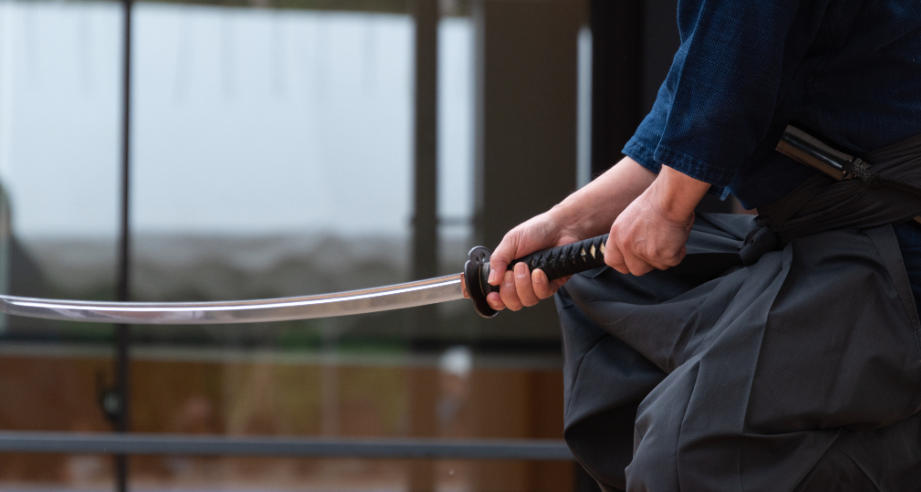
How Did Japanese Swordsmanship, Samurai Weapons, and Masks Evolve After the Battlefield Era?
Japanese Swordsmanship & Battlefield
Japanese swordsmanship is far more than simple 'sword swinging.' It is a complete system that integrates battlefield practicality, spiritual discipline, and class culture. From the brutal battlefields of the Sengoku era to the highly ordered society of the Edo period, Japanese swordsmanship evolved continuously with the times.
What Is Japanese Swordsmanship Called?
Japanese swordsmanship is commonly known as Kenjutsu.
Depending on context, more specific terms are used:
-
Kenjutsu: Traditional combat-oriented sword techniques developed during the Sengoku period for real battlefield use.
-
Kendo: A modern, sport-oriented form of swordsmanship emphasizing etiquette, discipline, and spiritual cultivation.
-
Iaido: Focuses on drawing and sheathing the sword, embodying the principle of 'decisive victory in a single strike.'
1. Japanese Swordsmanship
Japanese Swordsmanship is a systematic martial discipline built around the Japanese sword. Its primary purpose is not performance, but:
-
Defeating the opponent with a single decisive strike
-
Ending combat in the shortest possible time
-
Maintaining mental clarity at the moment of life and death
As such, Japanese swordsmanship is both a method of combat and a path of inner cultivation.
Core Principles of Japanese Swordsmanship
-
Unity of Mind, Technique, and Body (Shin–Gi–Tai)
Sword training emphasizes harmony between mental state, technical skill, and physical movement. A disturbed mind leads to flawed technique; hesitation leads to defeat. -
Victory at the Moment of the Draw (Iai no Seishin)
Especially evident in Iaido, this concept stresses resolving combat at the very instant the sword is drawn. -
Precision and Restraint
There are no wasted movements. Every strike seeks maximum effectiveness with minimal effort, reflecting discipline and rational control.
From Battlefield Combat to Modern Budo
As history progressed, Japanese swordsmanship transitioned from lethal battlefield techniques into modern martial arts:
-
Kendo
Focuses on etiquette, mental refinement, and competitive practice. It is the most widely practiced sword art in modern Japan. -
Iaido
Emphasizes sword drawing, controlled movement, and internal discipline, preserving the spirit closest to real combat. -
Koryu Kenjutsu
Classical schools directly descended from Sengoku-era combat systems, maintaining authentic battlefield logic and life-or-death techniques.
👉 Even today, Japanese swordsmanship is regarded as a path to cultivate character, willpower, and concentration, not merely a fighting method.
2. The Edo Period and Samurai Society
(Edo Period Japan / Edo Era Japan / Yedo Japan)
The Edo period (1603–1868) was one of Japan’s most stable and peaceful eras and marked the peak of institutionalized and spiritualized samurai culture.
During this long peace:
-
Large-scale warfare nearly disappeared
-
Samurai gradually left the battlefield
-
Japanese swords shifted from weapons of war to symbols of status and spirit
The Transformation of the Samurai
In the Sengoku era, samurai were professional warriors.
In the Edo period, they increasingly became:
-
Administrative officials
-
Local governors
-
Representatives of cultural and moral order
Despite reduced combat roles, the right to wear swords remained strictly regulated:
-
Only samurai were permitted to wear the Daisho (long and short swords)
-
The Japanese sword symbolized rank and class identity
-
Swordsmanship training shifted toward philosophy, etiquette, and self-discipline
👉 It was during this era that the belief 'The sword is the soul of the samurai' became firmly established.
Japanese Swords in the Edo Period: Symbol Over Slaughter
In Edo Period Japan, the function of the Japanese sword changed significantly:
-
Combat use declined
-
Symbolic and aesthetic value increased
-
Sword fittings and wearing regulations became highly refined
This evolution led to:
-
The development of elaborate fittings (Tsuba, Saya, Tsuka)
-
The maturation of sword signatures and collector culture
-
Recognition of Japanese swords as true works of art

Samurai Mansions: Residences and Urban Landscapes
Because of long-term peace, many samurai lived stable lives within castle towns rather than dying on the battlefield. As a result, numerous Samurai Mansions have been preserved.
This is why many travelers today search for:
Places in Japan That Have Samurai Mansions
Notable locations include:
-
Kanazawa
The Nagamachi Samurai District remains exceptionally well preserved and offers insight into Edo-period samurai life. -
Kagoshima
Strongly influenced by Satsuma samurai culture, which played a major role in shaping modern Japan. -
Hagi
A castle town of the Mori clan that retains a complete Edo-era samurai residential layout. -
Aizu-Wakamatsu
Famous for its loyalty-driven warrior culture and often regarded as a symbol of the 'last samurai spirit.'
These locations reveal not only samurai architecture, but also:
-
Daily life of the samurai class
-
The social environment of swordsmanship practice
-
The symbolic role of the Japanese sword in a peaceful era
Why Did Swordsmanship Survive After the Battlefield Disappeared?
It was precisely because of the peace of the Edo period that Japanese swordsmanship was able to evolve beyond a system of pure killing techniques and elevate into:
-
Moral cultivation
-
Spiritual training
-
Cultural identity
As a result, Japanese Swordsmanship did not vanish with the end of large-scale warfare. Instead, it became one of the most enduring and vital traditions within Japanese culture.
Japanese Mask Culture: Samurai Masks, Oni Masks & Tengu
(Japanese Masks: Samurai Masks, Oni Masks & Tengu)
Japanese mask culture runs through warfare, religion, ritual, and theater. Masks function not only as visual symbols but also as spiritual vessels. In the historical context where samurai and ninja coexisted, masks were used not merely to conceal the face, but to intimidate enemies, invoke protection, and reinforce identity.
1. Japanese Oni Masks & Demon Masks
(Japanese Oni Mask / Demon & Devil Masks)
In traditional Japanese culture, Oni are not simply symbols of evil. They embody fear, power, and protective meaning, making Oni-related masks highly symbolic.
Common Uses of Japanese Oni Masks:
-
Battlefield Intimidation
Samurai and ashigaru incorporated Oni imagery into armor and helmets to psychologically overwhelm opponents. -
Religious Rituals
Oni masks were used in exorcisms, purification rites, and protective ceremonies, representing the idea of 'using evil to repel evil.' -
Noh Theater and Traditional Drama
In Noh and Kyogen performances, Oni masks symbolize human desire, rage, obsession, and inner conflict.
👉 Therefore, a Japanese Demon Mask is far more than decoration—it is a condensed expression of power, fear, and belief, and remains highly sought after by collectors and anime enthusiasts today.
2. Samurai Masks
Japanese Samurai Mask / Samurai Mask Japan refers to key facial armor components of traditional samurai armor (Yoroi), most notably the Menpō and Hanmēn.
Core Functions of Samurai Masks:
-
Facial Protection
Designed to protect against sword strikes, arrows, and battlefield debris during close combat. -
Psychological Impact
Fierce expressions, exaggerated teeth, and stylized mustaches were intended to instill fear in enemies. -
Identity and Clan Representation
Mask designs, colors, and motifs were often closely tied to family crests and samurai lineage.
In many cases, samurai masks visually merged with Oni mask aesthetics, creating a dehumanized and terrifying battlefield presence.
Tengu Masks and the Spirit of the Warrior
-
Antique Japanese Tengu Mask
Tengu are regarded as mountain warrior spirits and guardians of swordsmanship, symbolizing:
-
Exceptional martial skill
-
Ascetic discipline
-
The pursuit of perfection in sword training
As a result, Tengu masks are closely associated with classical sword schools, warrior asceticism, and Shugendo traditions, holding deep significance for both samurai and martial practitioners.
Japanese War Fans (Gunbai & Tessen)
Beyond swords and masks, samurai also employed Japanese War Fans:
-
Used to command troops
-
Deflect small weapons and concealed blades
-
Represent authority and rank
War fans often appeared alongside samurai masks and armor, forming a complete and powerful visual system of warrior identity.
The True Meaning of Japanese Mask Culture
Whether it is a:
-
Japanese Oni Mask
-
Japanese Samurai Mask
-
Antique Japanese Tengu Mask
The essence of these masks is not concealment, but amplification of spiritual force:
Allowing the wearer to transcend the individual and become a '’warrior,' a 'guardian,' or the embodiment of belief.
This is why Japanese mask culture continues to exert profound influence on:
-
Anime and game character design
-
Samurai and ninja-themed films
-
The global collectible and decorative arts market

Japanese Weaponry & Samurai Equipment
(Japanese Weaponry & Samurai Equipment)
Japanese weapon systems were never limited to a single type of armament. They evolved into a comprehensive framework shaped by battlefield demands, social hierarchy, and Bushido philosophy. From the age of cold weapons to modern transformation, Japanese arms consistently emphasize the fusion of combat effectiveness, symbolism, and craftsmanship.
1. Overview of Japanese Weaponry
In historical context, Japanese Weapon / Weapons in Japan refers not only to swords, but to a wide-ranging system used by infantry, cavalry, command units, and ceremonial roles.
Major Categories of Japanese Weapons:
-
Japanese Swords (Nihonto)
Centered on the Japanese Katana, supported by Wakizashi and Tanto, forming the foundational samurai sword set. -
Polearms
Including Naginata, Yari, and Bisento, used for formation combat, armor penetration, and countering cavalry. -
Ranged & Auxiliary Weapons
Bows, throwing weapons, and war fans played crucial roles in battlefield coordination and tactical control. -
Modern-Era Continuations
Japanese WW2 Swords represent the continuation of sword culture in modern military contexts. Though industrially produced, they retained the form and symbolic meaning of the samurai sword.
👉 From ancient battlefields to modern military structures, Japanese weapons consistently demonstrate the coexistence of functionality and spiritual symbolism.
2. Samurai Armor and Clan Identity
(Samurai Armor, Clans & Identity)
Samurai Japanese Armor was not merely protective gear, but a direct representation of identity, status, and family honor.
Symbolism of Samurai Armor:
-
Combat Protection
Constructed from iron plates, leather, and silk lacing to balance defense with mobility. -
Clan and Social Identification
Armor patterns, colors, and ornaments were often directly linked to specific Japanese Clans. -
Intimidation and Ceremonial Use
Exaggerated helmets, masks, and shoulder guards enhanced battlefield presence and were also used in formal processions.
Samurai Clans and the Meaning of Names
(Japanese Clans & Japanese Warrior Names)
In feudal Japan, Japanese Warrior Names carried far more than personal identity—they represented:
-
Bloodline
-
Territorial authority
-
Loyalty and allegiance
Through inherited armor, swords, and names, many famous Japanese Clans reinforced their power and preserved historical influence across generations.
Equipment as Identity: The Core Logic of the Samurai System
For the samurai:
-
The sword = the soul
-
The armor = the family
-
The name = honor
Thus, the samurai equipment system was never simply military hardware—it was a cultural framework integrating warfare, lineage, and spiritual belief.
This is why Japanese weapons, samurai armor, and clan systems remain among the most influential inspirations in historical research, collecting culture, and modern anime creation.
Hand Forged Japanese Samurai Katana Sword Manganese Steel Blade Oil Quenching Iron Tsuba

VII. Extended Cultural Artifacts of Traditional Japan
Beyond weapons, Japanese culture also includes:
-
Japanese Dolls / Japanese Porcelain Dolls
-
Japanese Sake Sets
-
Japanese Fans / Japanese Hand Fans
These elements often appear alongside samurai culture and family crests, forming a complete and harmonious system of Japanese aesthetic tradition.
Conclusion
Ninja and samurai represent more than ways of fighting—they reflect different philosophies of life.
The Japanese katana and swordsmanship evolved from tools of war into symbols of spirit, discipline, and cultural identity.
That is why samurai, ninja, and Japanese swords still inspire history, martial arts, collecting, anime, and modern culture worldwide.
Exploring Japanese swordsmanship and the culture of the samurai offers fascinating insights into history. Many wonder are there still samurai in Japan, or when did samurais exist, and when were the samurai around. The samurai thrived during periods such as the Sengoku era and Edo Tokugawa, with the Edo period in Japan marking a time of peace and cultural refinement. Their martial practices, including martial arts of the samurai and traditional Japanese swordsmanship, employed types of Asian weapons and Japanese sword fighting techniques. Samurai also wore distinctive Japanese masks or samurai masks, such as the Japanese kabuto, traditional Japanese masks, and oni masks, raising questions like what are samurai masks called and why did samurai wear oni masks. Today, these traditions influence Japanese mask meaning, Japanese mask traditional designs, and even modern symbols like the Japanese samurai mask tattoo meaning, preserving the legacy of Japanese swordsmanship, samurai slicing, and the artistry of the Tokugawa period.

