


Katana Parts Explained: Complete Guide to Japanese Sword Anatomy
What Are the Parts of a Katana? A Complete Guide to Japanese Sword Anatomy
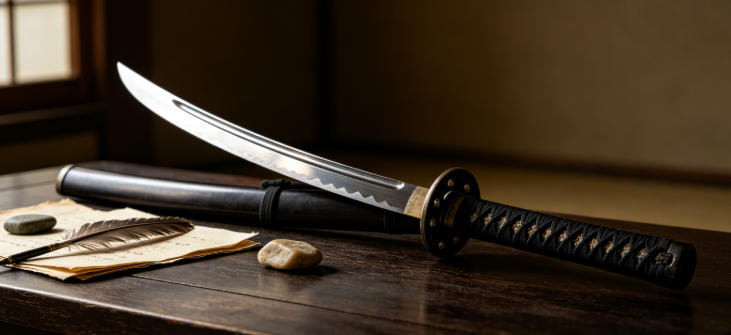
The Japanese katana is not only one of the most recognizable swords in Japanese history but also an important symbol of traditional craftsmanship, samurai culture, and sword-making artistry. When people first encounter a katana, they may focus on its curved blade, beautifully wrapped handle, or elegant scabbard. However, a complete Japanese sword is actually made up of many individual components. Understanding these katana parts makes it easier to recognize the structure of a katana and appreciate the purpose and cultural meaning behind every detail.
From the sharp katana blade and protective tsuba to the wrapped tsuka-ito and traditional saya, every component is carefully designed. A traditional Japanese sword is not simply a combination of a blade, handle, and scabbard. Instead, numerous precisely crafted katana fittings work together to create a balanced and functional sword. For Japanese sword collectors, martial arts enthusiasts, history lovers, and anime sword fans, learning the basics of katana anatomy is an important step toward understanding the craftsmanship and culture behind a Japanese sword.
What Is a Katana?
A katana is a traditional Japanese single-edged curved sword and one of the most recognizable types of Japanese sword. It is characterized by a curved blade, a single cutting edge, and a long tang that extends into the handle. Compared with a standard sword, the katana places considerable emphasis on blade geometry, weight distribution, grip comfort, and overall balance.
In samurai culture, swords were more than combat equipment. They represented identity, honor, discipline, and spiritual values. As Japanese history developed, the katana gradually evolved from a practical battlefield weapon into an important cultural and artistic object. Today, katana can be found in museums, private collections, martial arts training, movies, and anime. Studying katana parts is therefore one of the best ways to develop a deeper understanding of this iconic samurai sword.
The History of the Katana and Samurai Culture
The development of the katana was closely connected to the rise of the samurai class in Japan. During Japan's feudal period, swords became important symbols of samurai identity and status. The way a sword was made, carried, maintained, and used reflected the discipline, responsibility, and values associated with the samurai.
The value of a traditional Japanese sword does not come from the blade alone. Swordsmiths had to consider the curvature, hardness, flexibility, weight, and geometry of the blade while also ensuring that the handle, tsuba, and scabbard worked together as a balanced whole. As a result, a finely crafted katana represents the combined skills of sword forging, metalworking, woodworking, lacquer work, and decorative craftsmanship.

What Are the Main Katana Parts?
To understand a Japanese katana, it is useful to divide its structure into three major systems: the blade, the handle, and the scabbard. The blade includes areas such as the kissaki, ha, mune, shinogi, ji, hamon, and nakago. The handle section includes the tsuka, tsuka-ito, samegawa, fuchi, kashira, and menuki. The scabbard system includes the saya, koiguchi, kurikata, and sageo. Smaller components such as the habaki and seppa also play important roles in the assembly and stability of the sword.
Although these katana parts vary greatly in size and function, they work together to determine the appearance, structure, balance, and overall character of the sword.
Katana Blade: The Core of the Japanese Sword
The katana blade is the central component of the entire Japanese sword. Traditional katana blades generally feature a distinctive curve and a single cutting edge. Their geometry is carefully designed to create a balance between structural strength, weight, and cutting performance while maintaining the characteristic appearance of a Japanese sword.
From the perspective of Japanese sword anatomy, the blade can be divided into several areas. The cutting edge is called the ha, while the back of the blade is known as the mune. The shinogi is the prominent ridge that runs along the blade and creates one of the most recognizable features of traditional Japanese sword construction. The tip of the blade is called the kissaki, which is an important area when identifying different Japanese sword shapes and styles.
Traditional katana blades are also well known for their hamon, or temper line. Hamon is associated with the traditional differential hardening process used in Japanese sword making. By creating different levels of hardness between the cutting edge and the body of the blade, swordsmiths could produce a harder edge while maintaining a certain degree of toughness in the rest of the blade. For this reason, traditional katana making is not simply about making the steel as hard as possible. Instead, it focuses on achieving a balance between hardness, toughness, geometry, weight, and performance.
Hamon: The Distinctive Temper Line of a Japanese Sword
Hamon is one of the most recognizable visual characteristics of a Japanese sword. Different swordsmiths, schools, and historical periods could produce very different hamon patterns. As a result, hamon is not merely decorative but can also provide insight into traditional Japanese sword-making techniques.
When a high-quality katana blade is viewed under suitable lighting, the hamon can reveal subtle and intricate patterns. Some examples appear relatively straight, while others feature waves or more complex irregular shapes. For Japanese sword collectors and enthusiasts, studying the hamon is an important part of appreciating the craftsmanship and visual character of a katana.
Shinogi and Katana Blade Structure
The shinogi is the longitudinal ridge found along the blade of a katana and is one of the most important elements of Japanese sword construction. It separates different sections of the blade and creates the distinctive geometric profile associated with traditional katana blades. The areas around the shinogi also influence the thickness, weight distribution, and overall proportions of the sword.
Some katana blades also feature a bo-hi, a longitudinal groove carved into the blade. A bo-hi can reduce weight and change the balance of the blade while creating a lighter visual appearance. Not every katana has a bo-hi, so it should be viewed as a blade design option rather than a required feature of every Japanese sword.
Kissaki: The Tip of the Katana
The kissaki is the pointed tip section at the front of a Japanese sword. It has an important influence on the overall appearance of the katana and is also useful when examining blade proportions and sword types.
Different Japanese sword styles can feature different kissaki shapes and lengths. When studying katana anatomy, examining the proportions and geometry of the kissaki can therefore provide useful information about the design and characteristics of a particular sword.
Nakago: The Hidden Tang Inside the Handle
The nakago is the portion of the blade that extends into the handle. Although it is normally hidden when the katana is fully assembled, it is essential to the structural connection between the blade and tsuka.
Traditional Japanese sword nakago may also preserve swordsmith signatures and other historical marks. For collectors and researchers, the tang can therefore provide valuable information about the history and craftsmanship of a Japanese sword. Looking only at the visible blade is not enough; the nakago is another important part of understanding a traditional samurai sword.
Tsuka: The Katana Handle
The tsuka is the handle of the katana, commonly referred to as the katana handle. It provides the main gripping area while connecting the blade to the user. Traditional tsuka are generally constructed around a wooden core and then covered with materials such as samegawa and tsuka-ito.
A well-made katana handle should provide a stable and comfortable grip while maintaining appropriate proportions and balance. The length, thickness, shape, and wrapping method of the handle can all affect the appearance and feel of the sword, making the tsuka one of the most important katana parts.
Tsuka-Ito: Traditional Katana Handle Wrapping
Tsuka-ito is the cord or leather wrapping applied around the katana handle. Traditional examples may use silk or leather and are secured using carefully arranged wrapping patterns. Besides improving grip and friction, tsuka-ito is also an important decorative element.
Different colors, materials, and wrapping styles can create completely different appearances. Dark-colored tsuka-ito often produces a classic and understated look, while brighter colors may be chosen for modern decorative swords, anime-inspired katana, or personalized sword designs.
Samegawa: An Important Katana Handle Material
Samegawa is a traditional material used as part of the katana handle construction. It has a distinctive textured surface that can contribute to grip and structural stability when combined with tsuka-ito.
The texture, quality, and coverage of samegawa can also be important details when examining traditional Japanese sword craftsmanship. Together with the handle wrapping, it contributes to both the function and appearance of the tsuka.
Tsuba: The Katana Hand Guard
The tsuba is the hand guard positioned between the blade and handle. Commonly described as the katana hand guard, it helps protect the user's hand while also contributing to the balance and visual proportions of the sword.
Traditional tsuba are not limited to simple round shapes. They can also feature oval, square, and highly decorative designs. Historical tsuba often include detailed carvings and openwork patterns featuring dragons, tigers, cherry blossoms, bamboo, waves, birds, and other natural or symbolic motifs. These designs are more than decoration; they can reflect Japanese aesthetics, beliefs, and samurai culture.
For this reason, the tsuba is one of the most interesting katana fittings for collectors and Japanese sword enthusiasts to study.
Fuchi: The Fitting at the Front of the Handle
The fuchi is a metal fitting located at the front of the tsuka. It helps reinforce the handle structure and coordinates several components around the connection between the blade and handle. Traditional fuchi are often designed to match the kashira at the opposite end of the handle, creating a consistent decorative style.
Although the fuchi is relatively small, its design can demonstrate the level of detail and craftsmanship found in traditional Japanese sword fittings.
Kashira: The End Cap of the Katana Handle
The kashira is the fitting located at the end of the tsuka. It helps protect and secure the handle while also serving as an important decorative element.
Traditional kashira can feature motifs inspired by animals, plants, mythology, and nature. Different designs can reflect the owner's personal taste and give each katana a distinctive visual identity.
Menuki: Decorative Handle Fittings
Menuki are small decorative fittings placed beneath the tsuka-ito. Although they are relatively small, they are highly recognizable elements of traditional katana construction.
Menuki can feature animals, plants, mythological figures, or other symbolic designs. In addition to their decorative role, they can influence the way the hand contacts the handle. This makes menuki a small but meaningful part of both the cultural and functional design of a katana.
Habaki: An Important Connection Between Blade and Scabbard
The habaki is a metal fitting positioned around the blade near the base of the katana. It works with the opening of the saya to help the blade fit securely inside the scabbard.
Despite its small size, the habaki plays an important role in the precise assembly of a katana. When learning katana parts names, it is one of the smaller components that beginners often overlook, even though it is essential to the overall construction.
Seppa: Small Metal Spacers
Seppa are thin metal spacers located around the tsuba, habaki, and tsuka assembly. They help adjust the fit between different components and allow the fittings to sit tightly together.
These small parts demonstrate how traditional Japanese sword craftsmanship pays close attention to even the smallest construction details. The quality of a katana is not determined only by its blade; the precision of its smaller fittings also contributes to the finished sword.
Saya: The Katana Scabbard
The saya is the scabbard of the katana, commonly known as the katana scabbard. Its primary purpose is to protect the blade while also contributing significantly to the overall appearance of the Japanese sword.
Traditional saya are generally made from wood and may receive decorative lacquer finishes. A well-crafted saya needs to match the corresponding blade in size and shape so that the katana blade can be stored securely and properly inside it.
Koiguchi: The Opening of the Scabbard
The koiguchi is the opening at the front of the saya where the katana blade enters the scabbard. It must fit precisely with components such as the habaki to ensure that the blade can be securely stored.
Although the koiguchi may not receive much attention from casual viewers, its precise construction is essential to the overall fit and functionality of a traditional Japanese sword.
Kurikata and Sageo
The kurikata is a small fitting attached to the outside of the saya and is used to secure the sageo. The sageo is a traditional cord attached to the scabbard that can help secure the saya while also providing an additional decorative element.
Different sageo materials, colors, and tying methods can create different visual styles. When combined with the tsuba, tsuka-ito, and saya, these details can give a katana a coordinated and distinctive appearance.

Why Is It Important to Understand Katana Parts?
Understanding katana parts is not simply about memorizing a list of Japanese terms. For collectors, knowing the basic structure of the blade, handle, fittings, and scabbard makes it easier to examine the craftsmanship and details of a katana. For martial arts practitioners, understanding the relationship between the tsuka, tsuba, saya, and blade can provide a more complete understanding of the sword they train with.
For history and art enthusiasts, every katana component provides another way to explore Japanese culture. The blade demonstrates forging and heat-treatment techniques, the tsuba showcases metalworking and decorative art, the tsuka reflects traditional handle construction, and the saya combines woodworking with lacquer craftsmanship.
The Cultural Meaning Behind Katana Anatomy
When we examine katana anatomy as a complete system, it becomes clear that the beauty of a Japanese sword does not come from the blade alone. The curvature of the blade, the pattern of the hamon, the decoration of the tsuba, the wrapping of the tsuka-ito, the design of the menuki, and the finish of the saya all contribute to the visual language of a complete Japanese sword.
This combination of function and aesthetics is one of the reasons the katana has become one of the most recognizable swords in the world.
For art enthusiasts, a katana can be viewed as a traditional craft that combines steel, wood, leather, silk, and decorative metalwork. For martial artists, it is a sword that emphasizes structure, balance, and control. For collectors, every katana part can potentially provide clues about craftsmanship, historical period, artistic style, and cultural background.
How Can You Identify the Parts of a Katana?
If you are learning about Japanese swords, it is useful to begin with the most recognizable components, such as the katana blade, tsuka, tsuba, and saya. From there, you can explore more specific elements including the hamon, shinogi, kissaki, nakago, habaki, fuchi, kashira, and menuki.
As these terms become familiar, you will realize that a katana is much more than simply a blade, handle, and scabbard. Every component has its own purpose, while all of the katana parts work together to create the distinctive structure of the samurai sword.
Conclusion: Understanding Japanese Sword Culture Through Katana Parts
From the curved katana blade and carefully constructed katana handle to the decorative tsuba and traditional katana scabbard, a Japanese sword is made from numerous carefully designed components. Learning about these katana parts not only helps us understand how a katana is constructed but also provides a deeper appreciation of traditional forging techniques, samurai culture, and Japanese sword artistry.
To truly appreciate a katana, it is not enough to focus only on its appearance or blade. Understanding why each component exists and how the individual parts work together reveals the craftsmanship behind the complete Japanese sword. Whether you are a Japanese sword collector, martial arts enthusiast, history lover, or simply interested in samurai swords, learning the detailed anatomy of a katana is an important step toward discovering the fascinating world of Japanese sword culture.

