


Katana vs Tachi: Differences, History & Samurai Sword Evolution
- โพสต์โดย COOLKATANA
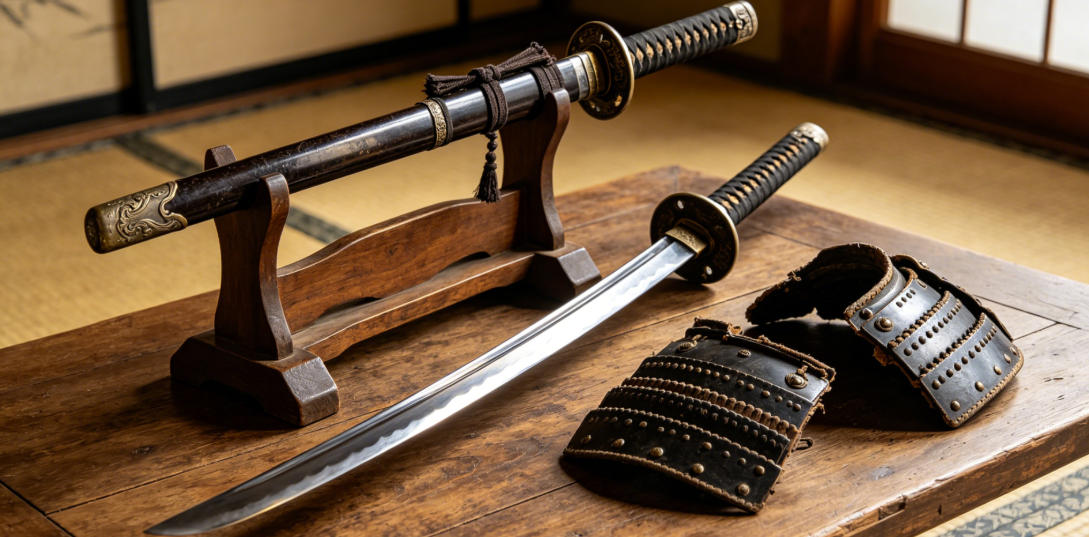
What Is the Difference Between Katana and Tachi in Japanese Sword History?
In the traditional Japanese weapon system, katana (samurai sword) and tachi are two of the most iconic blade types. As search interest continues to rise around keywords such as ‘katana vs tachi difference’, ‘tachi sword meaning’, ‘samurai sword history’, and ‘traditional Japanese swords’, more enthusiasts are diving deeper into their real differences and historical relationship.
Many people assume they are simply two different shapes of samurai swords, but in reality, tachi and katana represent entirely different eras of warfare, combat logic, and samurai culture.
‘What is the difference between Katana and Tachi?
What are the historical origins and combat usage differences of katana vs tachi Japanese swords?’
1. The Core Definition of Katana and Tachi
In the Japanese sword system, tachi and katana are not just two blade types, but representations of the evolution of samurai warfare from the “cavalry era” to the “infantry era”. In high-search queries such as ‘what is tachi sword’, ‘katana meaning’, ‘traditional Japanese swords history’, and ‘samurai sword evolution’, they are often used as the core comparison to understand the development of Japanese swords.
The tachi was the primary battlefield weapon of early samurai, widely used from the Heian period to the Kamakura period. It was designed specifically for cavalry combat: a longer blade with a deeper curve, optimized for downward slashing attacks from horseback. It was worn edge-down using hanging cords, allowing easy drawing while mounted. Beyond being a weapon, it also symbolized status and authority among elite warriors.
The katana, on the other hand, emerged in the late Muromachi period and became the standard samurai sword during the Sengoku and Edo periods. It evolved in response to changing warfare—from cavalry charges to infantry close combat—prioritizing speed and efficiency. Its balanced blade and edge-up waist carry (obi) mounting style allowed for rapid drawing and immediate striking, making it ideal for fast-paced duels and close-range combat. Eventually, it became the ultimate symbol of samurai identity and Bushido spirit.
Historically speaking, the tachi represents a “battlefield impact system”, while the katana represents a “fast-response close combat system”. They are not a simple replacement of one another, but a natural evolution driven by changes in warfare structure.

2. The Evolution of Japanese Swords: From Tachi to Katana
To understand katana vs tachi, it is essential to examine how Japanese warfare changed over time.
During the Heian period, samurai warfare was dominated by cavalry combat, requiring long-range slashing weapons. This led to the development of the tachi, designed for horseback use with powerful downward strikes.
In the Kamakura period, the tachi reached its peak as both a weapon and a symbol of warrior class prestige, often featuring highly decorative craftsmanship.
By the Muromachi and Sengoku periods, warfare shifted to large-scale infantry battles. Combat became faster and more chaotic, and quick drawing speed became essential. This led to the emergence and widespread adoption of the katana.
During the Edo period, warfare declined, and the katana evolved from a battlefield weapon into a cultural and symbolic object representing samurai identity.
3. Katana vs Tachi Key Differences (Core SEO Section)
In searches such as ‘katana vs tachi differences’, ‘katana vs tachi comparison’, and ‘tachi vs katana meaning’, the differences between these two Japanese swords are not only visual but deeply rooted in warfare systems, samurai culture, and sword-making evolution.
1. Carrying and Wearing Style (Most Important Difference)
- tachi: Worn edge-down, suspended from the waist using cords
- katana: Worn edge-up, inserted directly into the belt (obi)
This is the most fundamental distinction between tachi and katana and the primary identification method in historical studies and sword classification.
From a combat perspective:
- Tachi’s hanging style is ideal for mounted combat, allowing natural downward draws while riding.
- Katana’s belt-mounted style is optimized for quick drawing in ground combat and sudden engagements.
2. Combat Style Differences
- tachi: Designed for cavalry warfare and battlefield charges
- katana: Designed for infantry combat, duels, and indoor close-range fighting
The tachi follows a “momentum-based attack” system, using speed and gravity from horseback to deliver powerful downward strikes.
The katana follows a “reaction-based combat” system, emphasizing instant drawing and first-strike advantage through iai techniques.
3. Blade Length, Curvature, and Structure
-
tachi
- Longer blade
- Deeper curvature
- Forward-shifted balance
- Optimized for sweeping cavalry strikes
-
katana
- Slightly shorter blade
- More balanced curvature
- Centered balance for two-handed control
- Better suited for continuous rapid strikes
These structural differences reflect combat distance and tactical requirements rather than aesthetics.
4. Historical Period and Function
-
tachi
- Heian period
- Kamakura period
- Core cavalry weapon system
- Also a symbol of aristocratic status
-
katana
- Muromachi period
- Sengoku period
- Edo period
- Core symbol of samurai identity and spirit
Tachi belongs to the battlefield era, while katana belongs to the standardized samurai system.
4. The Battlefield Value and Cultural Role of Tachi
Although the katana is more widely recognized today, the tachi holds significant historical importance. It was specifically designed for cavalry warfare, offering greater reach and powerful cutting ability, and it often symbolized elite status and aristocratic authority during the Kamakura period.
5. Why the Katana Replaced the Tachi
The rise of the katana was not accidental but a direct result of changing warfare conditions. Its advantages included faster drawing speed, better suitability for close combat, improved balance, and higher efficiency in continuous fighting. In the chaotic battlefield environment of the Sengoku period, these traits made the katana far more practical than the tachi.
6. Cultural Symbolism Behind the Weapons
In searches like ‘samurai sword meaning’ and ‘Japanese sword culture’, both weapons carry deep symbolic meaning.
- tachi represents ancient warrior prestige, aristocratic power, and cavalry tradition
- katana represents Bushido spirit, loyalty, discipline, and personal honor
One symbolizes classical authority, while the other represents the essence of samurai identity.
Handmade Japanese Tachi Sword, Murasakino Hantachi T10 Steel Full Tang Blade Painted Saya

7. Conclusion: The True Relationship Between Katana and Tachi
Katana and tachi are not simply two types of swords—they represent two stages of Japanese sword evolution.
- Tachi: The origin of cavalry warfare weapons, emphasizing power and reach
- Katana: The evolution into infantry combat weapons, emphasizing speed and efficiency
Ultimately:
👉 Tachi is the origin
👉 Katana is the evolution
Together, they form the complete historical development of Japanese swords and explain why ‘katana vs tachi’ remains one of the most searched topics in Japanese weapon history.

