
Modern Handcrafted Samurai Armor: History, Craftsmanship, Collectibles

Modern Handcrafted Samurai Armor: History, Craftsmanship, Collectibles
Why Modern Handcrafted Samurai Armor Still Matters Today ?


Is Modern Handcrafted Samurai Armor Still Made? Exploring the Art of Contemporary Samurai Armor

Yes — even today, samurai armor is still being made, and the craft of modern handcrafted samurai armor continues to thrive in both traditional and contemporary culture. Although the era of battlefield combat has long passed, skilled artisans still carefully reproduce and innovate, creating authentic samurai armor. Each piece is full-size, fully functional, and carries deep historical significance.

Whether you are looking for samurai armor for sale, authentic samurai armor replicas, or a unique collectible to preserve the spirit of the Japanese samurai, contemporary handcrafted armor meets the needs of collectors, history enthusiasts, and participants in historical reenactments.


What is a Samurai Armor Called?

Besides the general term 'Yoroi' (甲冑), samurai armor has several specific types and designations:

  1. Dō-maru (胴丸): A relatively lightweight armor that wraps around the torso, suitable for flexible combat.

  2. Haramaki (腹巻): A waist-protecting armor piece that safeguards the abdomen without restricting movement.

  3. Tosei-gusoku (当世具足): Full armor popular in the later Sengoku period, practical and combining iron plates, leather, and lacquered craft.

  4. Kabuto (兜): The samurai helmet, often paired with a face mask (Menpo), providing protection while symbolizing status and family crest.

Therefore, samurai armor is not just protective gear but a symbol of identity, status, and the samurai spirit. Each set of armor is uniquely designed, combining practicality with artistic beauty.

武士盔甲还制造吗?

Timeless Craft: How Traditional Samurai Armor Was Made

During Japan’s Sengoku period, samurai armor was far more than protection — it represented a warrior’s status, honor, and lineage. A samurai’s armor determined not only battlefield survivability but also symbolized family prestige and personal adherence to Bushido. Samurai were famous for their swords, but the intricately crafted armor they wore commanded equal respect, with every plate and cord reflecting the artisan’s dedication.

Traditional samurai armor was made using the following materials and techniques:

  • Iron plates: Forged, quenched, and heat-treated to be strong yet flexible. The thickness and curvature of each plate were precisely calculated to ensure protection against swords and arrows without restricting movement.

  • Leather: Used to connect plates, soaked and lacquered to enhance durability while maintaining flexibility. The supple leather allowed warriors to move freely while keeping vital areas protected.

  • Silk cords: High-strength cords were carefully threaded between plates, adding structural stability while also displaying family crests, rank, and affiliation. Different colors and weaving styles signified different social ranks or clans, making silk cords an important symbol of samurai culture.

These techniques produced full-size samurai armor that not only protected against weapon attacks but also projected a warrior’s dignity and authority on the battlefield. Each set was a handcrafted work of art, blending practicality with aesthetics and reflecting the deep cultural understanding of the artisans.

History is full of compelling stories: legend tells of a young samurai whose family armor was destroyed in battle. To restore his family’s honor, he sought out a master armor craftsman. The armor created by the craftsman not only protected the young warrior but also made him awe-inspiring on the battlefield, even altering the course of battles. This intimate connection between handcrafted armor and the samurai’s fate meant that each set of armor was more than just equipment — it was a vessel of history and spirit.

Even today, artisans continue this traditional craft, producing handcrafted samurai armor in full-size form suitable for display or historical reenactments. These pieces have become prized by collectors and samurai culture enthusiasts worldwide. Each set retains the essence of ancient craftsmanship, allowing people to truly experience the courage, honor, and wisdom of the samurai.


Why People Still Craft Samurai Armor in Modern Times

Although the era of samurai combat has long passed, the tradition of crafting samurai armor has never disappeared. Modern artisans build on centuries-old techniques, combining them with contemporary craftsmanship and high-quality materials to create handmade samurai armor that is not only durable but also tells the story and spirit of the samurai. Whether used for full-size samurai armor displays, historical reenactments, or private collections, these armors hold immense cultural and artistic value.

1. A Collector’s Top Choice

Collectors around the world have a special fascination with authentic samurai armor. Handmade armor preserves the essence of traditional craftsmanship, including hand-forged iron plates, lacquer finishing, and intricate cord weaving, while showcasing family crests, samurai rank, and status. For collectors, each set of armor is not just a visually stunning piece of art but also a reflection of Japanese history and samurai culture. With the growing popularity of full-size and customizable samurai armor, more collectors are willing to invest time and money to preserve these historical treasures permanently.

2. Historical Reenactments and Performance Use

Modern full-size samurai armor is not only suitable for display but also widely used in historical reenactments, cultural festivals, stage performances, and film productions. Wearing carefully crafted armor allows participants to experience the movements, posture, and presence of samurai from the Sengoku era. Through handmade samurai armor, history is brought to life—not only providing a visual spectacle for audiences but also offering a close understanding of the samurai spirit and combat philosophy. This combination of history and culture makes handmade samurai armor a favorite among history enthusiasts and reenactment participants.

3. Decoration and Cultural Symbolism

Beyond practicality and collectibility, samurai armor also serves as a highly decorative and symbolic object. Modern handmade full-size samurai armor features stunning appearance and exquisite details, making it a unique display piece for homes, offices, or museums. Every plate and cord tells the story and spirit of the samurai. It is more than art; it is a symbol of Japanese samurai culture, embodying loyalty, honor, courage, and wisdom. For those passionate about samurai culture, a beautifully crafted set of armor is not merely decoration—it is a perfect blend of history, culture, and craftsmanship.

Through continuous innovation and meticulous craftsmanship, modern artisans ensure that samurai armor not only preserves ancient techniques but also meets the diverse needs of contemporary collectors, exhibitions, and cultural experiences. This is why even in the 21st century, handmade samurai armor remains highly sought after by collectors, reenactors, and cultural enthusiasts alike.

武士盔甲还制造吗?

Modern Handmade Samurai Armor: A Fusion of Tradition and Art

Modern handmade samurai armor retains traditional crafting techniques such as hand-forged iron plates, lacquer finishing, hand cord threading, and intricate weaving, while incorporating modern customization options. Each armor set can be tailored to the collector’s preferences, from size, color, and decoration to family crests or special symbols, creating a truly unique piece.

Every set of armor is a perfect blend of history and art. It preserves the functionality and protection of Sengoku-era armor while reflecting the artisan’s dedication to aesthetics. Each plate, lacquer finish, and cord is carefully handcrafted to produce a visually striking effect, allowing one to feel the weight and dignity of samurai culture at first glance.

The uses of modern handmade samurai armor are also very versatile. For history enthusiasts, it is a tangible way to experience and understand the samurai spirit. For collectors, it is a high-value, visually appealing, and investment-worthy art piece. For participants in martial reenactments or cultural activities, it allows them to perform while feeling the presence and power of a samurai firsthand.

Moreover, modern handmade samurai armor emphasizes comfort and wearability, allowing participants to move freely during cultural festivals, exhibitions, or reenactments while maintaining the armor’s imposing presence. This combination of practicality, artistry, and cultural symbolism makes modern handmade samurai armor not just equipment or collectibles but a cultural experience and a continuation of history.

Because of this, whether for display, collection, or historical reenactment, modern handmade samurai armor allows enthusiasts to truly experience the strength, honor, and spirit of the samurai, connecting with centuries of cultural heritage. It is more than armor—it is a cultural symbol and a work of art.

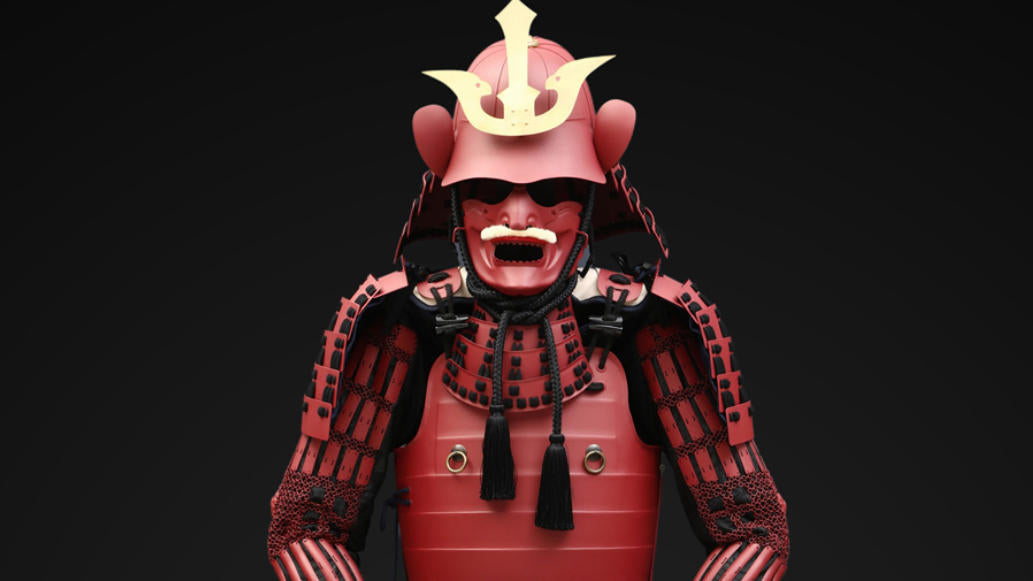
Handmade Life-Size Red Iyozane Japanese Samurai Armor Yoroi

手工制作真人大小的红色 Iyozane 日本武士铠甲 Yoroi

Conclusion: The Unique Charm of Modern Samurai Armor

Today’s samurai armor is not just protection or decoration. It is the culmination of history, culture, and handmade artistry, symbolizing the samurai spirit.
If you are looking for full-size samurai armor, customizable samurai armor, or authentic samurai armor collectibles, modern handmade samurai armor is undoubtedly the best choice. Each piece carries the glory, courage, and wisdom of the samurai, allowing this ancient craft to thrive in the modern world.


ฝากความคิดเห็น

โปรดทราบว่าความคิดเห็นจะต้องได้รับการอนุมัติก่อนที่จะเผยแพร่

คุณกำลังมองหาอะไรอยู่?