


Ninjutsu History & Evolution: From Ninja Origins to Modern Practice
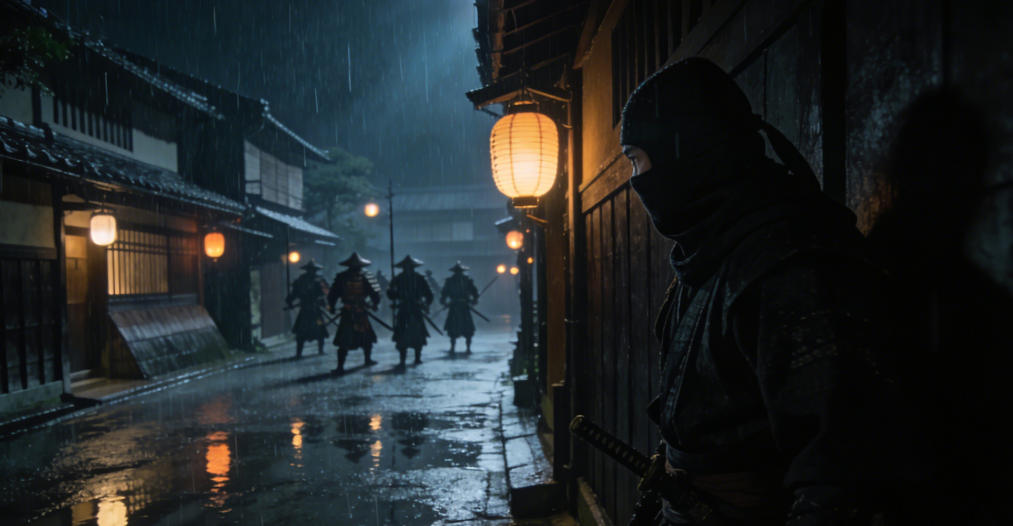
What Is Ninjutsu and How Has It Evolved from Ninja Origins to Today?
Ninjutsu, also known as Ninpō, is an ancient Japanese martial art and survival system that integrates espionage, guerrilla tactics, and covert combat techniques. It was not only a strategic combat system employed by historical ninja on Japanese battlefields but has also become a topic of widespread interest for modern martial artists, history enthusiasts, and cultural researchers. This article provides an in-depth analysis of Ninjutsu’s origin, historical evolution, core techniques, weapon systems, and contemporary development, while incorporating high-traffic keywords such as: Ninjutsu history, ninja skills, Ninjutsu weapons, evolution of Ninjutsu, Ninpō strategy, to optimize performance.
1. What is Ninjutsu? Definition and Core Philosophy
Ninjutsu, or Ninpō, is a non-traditional military and comprehensive combat system developed in ancient Japan. Unlike conventional martial arts, it encompasses a multi-dimensional skill set including espionage, stealth operations, intelligence gathering, infiltration and evasion strategies, and ancient tactical wisdom. The primary goal of Ninjutsu is to complete missions through intelligence, strategy, and covert operations rather than direct confrontation, prioritizing survival and tactical advantage in asymmetric scenarios.
The philosophy of Ninjutsu draws heavily from ancient Chinese military texts, such as Sun Tzu’s 'The Art of War,' and the principles of Japanese samurai martial philosophy. The kanji for 'nin' (忍) symbolizes patience, endurance, observation, and concealment skills. Ninja (Shinobi) tactics emphasize environmental awareness, psychological manipulation, and strategic deception. Practitioners often utilize nighttime operations, terrain concealment, decoys, misinformation, and diversionary tactics to accomplish objectives.
Structurally, Ninjutsu emphasizes comprehensive skill development, including hand-to-hand combat (Taijutsu), swordsmanship (Kenjutsu), throwing weapons (Shurikenjutsu), staff techniques (Bōjutsu), as well as stealth, disguise, survival skills, and strategic simulation. This multi-dimensional training allows ninja to operate with high mobility, rapid decision-making, and adaptive strategy, embodying the unique Intelligent Combat Philosophy of Ninjutsu.
In the modern context, Ninjutsu serves as both a subject of historical research and tactical study and a reference for martial arts training, espionage methodology, and strategic thinking development. Studying Ninjutsu enables practitioners to understand how to gain an advantage in complex and resource-limited environments through stealth, intelligence, and strategy, which explains its enduring relevance across centuries.

2. Origins and Historical Evolution of Ninjutsu
The development of Ninjutsu spans several centuries and is deeply rooted in ancient Japanese warfare, strategic thinking, and societal transformation. As a comprehensive martial system that blends espionage, combat skills, and strategic intelligence, Ninjutsu reflects both military practicality and cultural philosophy.
2.1 Early Emergence and Proto-Tactics
Although there is no definitive founding date, scholars generally agree that Ninjutsu originated from ancient Japanese military and reconnaissance practices, where early samurai and scouts developed covert operational methods. Key elements of this early phase included:
-
Intelligence gathering and espionage: observing, listening, and infiltrating enemy territories to acquire strategic information.
-
Concealment and stealth operations: moving unseen using terrain, night cover, and environmental camouflage.
-
Non-direct combat strategies: emphasizing clever tactics to avoid head-on confrontation, enhancing the survival of small units or individuals.
These proto-Ninjutsu skills, though not systematically recorded, laid the foundation for later formalized ninja schools and are considered the precursors of modern Ninjutsu tactics.
2.2 Rise of the Ninja and 'Covert Warrior' Culture
The term 'ninja' (Shinobi) originally referred to covert operatives performing reconnaissance, espionage, sabotage, and short-range assault missions, rather than the modern cinematic image of black-clad assassins. Historical references to ninja appear during the 12th-century Genpei War, where samurai employed infiltration, surveillance, disguise, and ambush tactics to support regular armies. During this period, ninja functions included:
-
Reconnaissance and enemy route mapping
-
Secret transmission of information and supplies
-
Deception and sabotage through disguise and diversionary tactics
During the Nanboku-chō period (1336–1392), as regional warlords engaged in frequent battles, these covert strategies became more sophisticated, and ninja evolved into a strategically essential military force, with skills extending to psychological operations, terrain utilization, and teamwork.
2.3 Systematization of Ninjutsu (Feudal Japan)
By the Sengoku period (15th–16th century), Ninjutsu had developed into a structured system with standardized techniques and theoretical frameworks. The most famous centers of Ninjutsu development were the Kōga and Iga regions, where ninja operated actively on battlefields and preserved the cultural legacy of Ninjutsu. Key features of Ninjutsu at this stage included:
-
Integration of multiple martial skills: hand-to-hand combat (Taijutsu), swordsmanship (Kenjutsu), throwing techniques (Shurikenjutsu), and staff techniques (Bōjutsu).
-
Strategic and intelligence training: observation, tracking, infiltration, evasion, and reconnaissance.
-
Practical combat application: all techniques were designed for real-world effectiveness, suitable for solo missions and small-unit operations.
Ninjutsu became a system producing tactical specialists combining strategic thinking with combat proficiency.
2.4 Written Records and Secret Manuals
Ninjutsu knowledge was traditionally transmitted orally within families and through secret texts. These manuscripts not only documented techniques but also encoded tactical philosophy and psychological training, and remain authoritative sources for modern study:
-
Ninpiden: Attributed to the legendary Hattori Hanzo family, this text systematically records stealth, reconnaissance, and Ninjutsu techniques, forming a core manual of the art.
-
Shōninki: Provides detailed instructions on surveillance, disguise, concealment, and intelligence warfare, offering insight into the psychological and strategic aspects of Ninjutsu.
-
Bansenshukai: A comprehensive compendium covering survival skills, intelligence operations, weapon usage, and covert tactics, serving as a key reference for understanding the complete Ninjutsu system.
These texts allow historians to reconstruct the development of Ninjutsu and provide practical guidance for modern martial arts, strategic training, and cultural research.
3. Core Techniques and Fundamental Training
Ninjutsu is more than combat; it is a survival-oriented skill system:
🎯 3.1 Stealth and Concealment
Training emphasizes remaining unseen, including environmental blending, silent movement, nighttime operations, and disguise techniques.
🎯 3.2 Espionage and Intelligence Gathering
Originally, ninja acted as scouts and spies, responsible for monitoring enemy movements, reconnaissance, and secure communication. Training included psychological warfare, observation, and decision-making simulation.
🎯 3.3 Survival and Evasion Skills
Ninjutsu also covers basic medical knowledge, wilderness survival, climbing, and escape techniques, ensuring that ninja could endure complex environments and complete missions.

4. Ninjutsu Weapons and Equipment Systems
Ninjutsu is not only a tactical and psychological art but also a comprehensive weapon and equipment system. While modern media often depicts ninja wielding shuriken and mystical concealed weapons, historical records show that ninja preferred practical, lightweight, and concealable tools for mobility and stealth.
4.1 Primary Melee Weapons
-
Ninjato / Shinobi-gatana: A straight, short sword designed for rapid strikes and easy concealment, suitable for close combat and supportive defense during hand-to-hand engagements. Compared to traditional samurai swords, it emphasizes lightweight versatility and speed for infiltration, ambush, and melee combat.
-
Tanto (Short Blade): A compact dagger for self-defense, assassination, or emergency close-quarters combat, valued for portability and quick draw capability.
4.2 Throwing and Ranged Weapons
-
Shuriken (Throwing Stars): Iconic throwing weapons used to distract, hinder, or create escape opportunities. Shuriken were crafted in various shapes and weights to suit individual tactics and coordinated team operations.
-
Makibishi (Caltrops): Ground-laid spikes for creating obstacles, slowing pursuers, or impeding enemy movement.
4.3 Auxiliary and Specialized Tools
-
Kaginawa (Ropes and Grappling Hooks): Used for climbing, infiltration, or escape, allowing access to high walls and difficult terrain, reflecting Ninjutsu’s emphasis on environmental adaptability and covert maneuvering.
-
Smoke and Signaling Devices: Including smoke bombs and flares for confusing enemies and facilitating discreet retreats.
-
Multipurpose Tools: Hooks, folding weapons, camouflage equipment, and lightweight protective gear, designed for versatility and tactical adaptability.
4.4 Integration of Weapons and Strategy
Ninja weapons were selected according to the principles of lightweight, concealment, and multifunctionality. These tools were not merely combat instruments but strategic assets, embodying the Ninjutsu philosophy of maximizing tactical advantage while minimizing exposure risk. The weapon system reflects the fusion of stealth, strategy, and martial ingenuity.
5. Modern Relevance and Global Dissemination
With the global popularity of ninja films, martial arts anime, and cultural media, Ninjutsu has become a widely recognized symbol of Japanese culture. Although the full practical application of historical Ninjutsu is difficult to replicate today, modern martial arts organizations continue to teach Ninjutsu concepts, covert techniques, and historical theory.
Modern Ninjutsu systems, such as those transmitted internationally by Japanese masters (e.g., the Bujinkan Ninjutsu lineage), are now widely studied by martial arts enthusiasts around the world.
Hand Forged Japanese Ninja Sword Tsurugi Double Edge Straight Blade Sword 1095 High Carbon Steel

6. Conclusion: Ninjutsu as More Than Combat Art
Ninjutsu is not merely 'mysterious stealth assassin techniques'; it represents a historically rich, culturally deep, and strategically intelligent skill system. From ancient battlefield missions to contemporary global cultural transmission, the evolution of Ninjutsu reflects centuries of human ingenuity in combat tactics, survival skills, and strategic thinking.
Understanding the origin, historical evolution, core techniques, and weapon systems of Ninjutsu provides a comprehensive perspective on this legendary Japanese cultural heritage.

