


Oda Clan Blue & Black Samurai Armor: Oda Nobunaga’s Legacy
- โพสต์โดย COOLKATANA
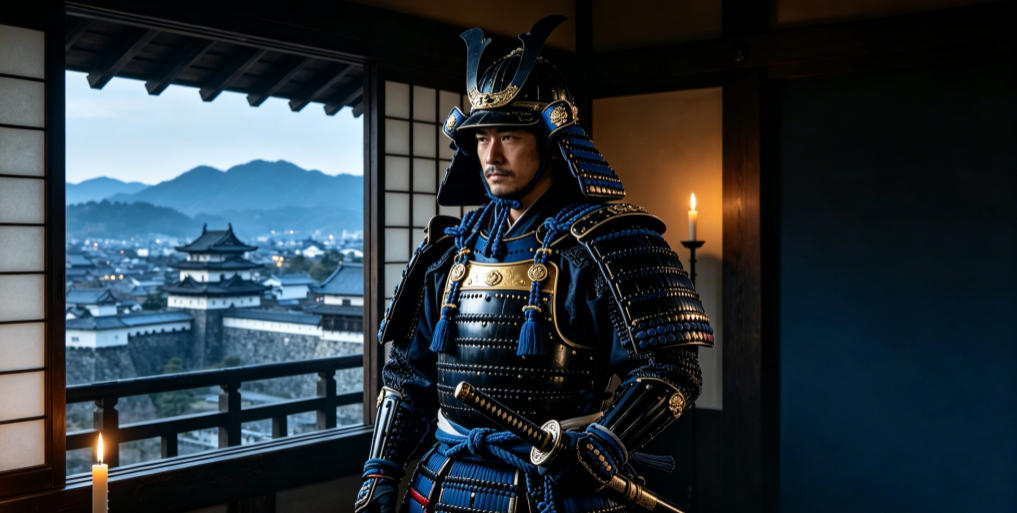
What Makes Oda Clan Blue & Black Samurai Armor a Symbol of Oda Nobunaga’s Power?
Throughout Japanese history, Samurai Armor has been far more than a piece of battlefield protection. It represented identity, power, social status, and the spiritual beliefs of the warrior class. Among the many armor styles of Japan’s famous Sengoku warriors, the Oda Clan Blue & Black Samurai Armor stands out because of its close connection with one of Japan’s most influential historical figures — Oda Nobunaga.
Oda Nobunaga lived during Japan’s Sengoku Period (late 15th century to late 16th century), an era marked by constant warfare, political instability, and fierce competition between powerful feudal lords. Countless daimyo fought for territory and influence, but Nobunaga gradually rose from a regional warlord of Owari Province into a revolutionary leader who changed the course of Japanese history.
The Oda Clan Samurai Armor represents more than the military style of the Oda family. It symbolizes Nobunaga’s ambition to unify Japan, his decisive personality, and the strength and honor valued by Sengoku samurai.
For collectors and enthusiasts interested in Japanese Samurai Armor, Sengoku Samurai Armor, Oda Nobunaga Armor Replica, Traditional Japanese Armor, and Samurai Warrior Culture, this blue and black armor represents one of the most legendary chapters of Japanese history.
Oda Nobunaga: The Sengoku Leader Who Changed Japanese History
To understand the significance of the Oda Clan Blue & Black Samurai Armor, it is important to first understand the legendary figure behind it — Oda Nobunaga.
Oda Nobunaga was born in 1534 in Owari Province (modern western Aichi Prefecture). At that time, Japan was deeply divided during the Sengoku era, with powerful daimyo constantly fighting for control while the central government had weakened significantly.
During his youth, Nobunaga was considered unusual and unpredictable by many people. His unconventional behavior even earned him the nickname 'The Fool of Owari.' However, on the battlefield, he quickly demonstrated exceptional military intelligence and leadership.
In 1560, Oda Nobunaga achieved his famous victory at the Battle of Okehazama, where he defeated the powerful daimyo Imagawa Yoshimoto despite being heavily outnumbered. This victory established Nobunaga as one of Japan’s rising military leaders.
After that, Nobunaga continued expanding his influence:
- Gaining control over Kyoto
- Overthrowing the final authority of the Ashikaga Shogunate
- Introducing military innovations
- Promoting economic development
- Supporting new technologies
Although Nobunaga did not complete the unification of Japan himself, his achievements created the foundation for later leaders such as Toyotomi Hideyoshi and Tokugawa Ieyasu to unify the country.
Because of his enormous historical impact, Oda Nobunaga remains one of Japan’s most important figures and is remembered as one of the Three Great Unifiers of Japan.
Sengoku Period Samurai Armor: The Evolution of Warrior Protection
The development of Sengoku Samurai Armor was closely connected to changes in Japanese warfare.
During earlier periods, samurai warriors mainly fought as mounted archers, so traditional armor focused heavily on mobility and protection. However, during the Sengoku era, warfare expanded dramatically with large infantry armies known as Ashigaru, changing the design and purpose of armor.
The introduction of firearms, especially after the arrival of the Tanegashima Matchlock in 1543, transformed Japanese battlefield tactics.
As warfare evolved, samurai armor began featuring:
- Stronger metal structures
- Larger chest protection
- Designs suitable for large-scale battles
- More obvious clan identification features
Armor was no longer only about defense. It also became a way for warriors to display their family identity and status.
Powerful daimyo and samurai clans used:
- Colors
- Family crests
- Helmet designs
- Decorative elements
to represent their honor and reputation on the battlefield.
Oda Clan Blue & Black Samurai Armor Design Meaning
The most impressive feature of the Oda Clan Blue & Black Samurai Armor is its unique combination of deep blue and black colors.
This color design reflects the distinctive character of the Oda clan.
Blue Samurai Armor: A Symbol of Calmness and Wisdom
In Japanese culture, blue is often associated with:
- Loyalty
- Calmness
- Stability
- Honor
For Oda Nobunaga, the blue color represents his ability to analyze battles strategically, remain composed under pressure, and challenge traditional ideas.
Compared with some daimyo who preferred bright colors to display their power, the blue style of the Oda clan created a more refined yet commanding appearance.

Black Samurai Armor: A Symbol of Strength and Authority
Black samurai armor has always been highly valued among elite warriors in Japanese history.
It represents:
- Power
- Authority
- Mystery
- Determination
Many famous samurai leaders chose black armor because it created a powerful and intimidating presence on the battlefield.
When combined with blue, the armor creates an image of:
'A calm ruler with the strength of a powerful battlefield commander.'
This perfectly matches the historical image of Oda Nobunaga.
Traditional Japanese Samurai Armor Structure Explained
A complete set of Japanese Samurai Armor consists of many carefully designed components, each with historical meaning and practical purpose.
Kabuto Samurai Helmet
The Kabuto is one of the most symbolic parts of samurai armor.
For high-ranking samurai and daimyo, the helmet was not only protective equipment but also an important symbol of identity and status.
Oda Nobunaga-style helmets often feature:
- Strong silhouettes
- Powerful designs
- Unique helmet ornaments
- Symbols representing leadership
On the battlefield, warriors could identify commanders through their distinctive Kabuto designs, making helmets an important part of samurai culture.
Do (Chest Armor)
The Do is the main armor section protecting the warrior’s torso.
Traditional Japanese chest armor often used:
- Iron plates
- Leather materials
- Lacquer finishes
- Decorative cords
Japanese craftsmen applied special lacquer techniques to prevent corrosion while improving the appearance of the armor.
Sode (Shoulder Armor)
The Sode protected the shoulders while enhancing the overall appearance of the armor.
Large shoulder guards could display clan symbols and colors, allowing warriors to be recognized easily during battles.
Kote, Haidate, and Suneate (Arm and Leg Protection)
A complete samurai armor set also includes:
- Kote – arm protection
- Haidate – thigh protection
- Suneate – shin protection
These components allowed samurai warriors to remain protected while maintaining mobility during combat.
Oda Clan Armor and Bushido Spirit
Although modern audiences often associate samurai with Bushido (the way of the warrior), the organized Bushido philosophy developed mainly during the Edo period.
However, during the Sengoku era, samurai culture already emphasized:
- Loyalty
- Courage
- Honor
- Family responsibility
- Martial ability
Oda Nobunaga represented another important aspect of the samurai spirit:
The willingness to challenge tradition.
Unlike traditional warriors who depended completely on old methods, Nobunaga embraced:
- New military technologies
- Innovative strategies
- Economic reforms
His ability to adapt helped push Japan toward a new era.
This is one of the main reasons why Oda Nobunaga remains a fascinating historical figure today.

Why Oda Nobunaga Armor Replica Is Popular Today?
Today, Oda Nobunaga Armor Replica has become one of the most popular Japanese historical collectibles worldwide.
There are several reasons behind its popularity.
1. Historical Connection
Oda Nobunaga is one of the most legendary figures in Japanese history.
Owning a replica of his armor is like owning a symbol of the Sengoku era and Japan’s warrior heritage.
2. Unique Appearance
Compared with ordinary samurai armor:
- The blue and black color combination is highly distinctive
- The design creates a powerful presence
- It is ideal for display and collection
It is often used for:
- Home decoration
- Historical collections
- Photography
- Samurai cosplay
3. Symbol of Samurai Culture
The armor represents more than warfare. It represents:
- Japanese craftsmanship
- Samurai philosophy
- Sengoku history
- Traditional armor-making skills
Oda Clan Samurai Armor Compared With Other Famous Samurai Armor
Different samurai clans during the Sengoku period developed their own unique armor styles.
Oda Clan Armor
Features:
- Blue and black color design
- Calm but powerful appearance
- Strong leadership atmosphere
Symbolizes:
Oda Nobunaga’s ambition, innovation, and warrior spirit.
Date Masamune Armor
Features:
- Black armor design
- Gold decorations
- Famous crescent moon helmet ornament
Symbolizes:
The personal charisma and legendary image of Date Masamune, the 'One-Eyed Dragon.'
Tokugawa Clan Armor
Features:
- Stable and dignified appearance
- Strong family authority
- Traditional daimyo style
Symbolizes:
The long-lasting rule of the Tokugawa shogunate during the Edo period.
How to Display Oda Samurai Armor Collection?
A high-quality Samurai Armor Replica is not only a historical reproduction but also a piece of artistic decoration.
Common display methods include:
- Samurai armor display stands
- Japanese-themed rooms
- Private collections
- Museum-style exhibitions
Combined with:
- Katana Samurai Sword
- Japanese Sword Stand
- Traditional Japanese Decorations
it can create a complete Sengoku samurai display environment.
Frequently Asked Questions About Oda Clan Blue & Black Samurai Armor
Who was Oda Nobunaga?
Oda Nobunaga was one of Japan’s most important Sengoku daimyo. He played a major role in the unification of Japan and is remembered as one of the Three Great Unifiers.
What does black samurai armor represent?
Black samurai armor symbolizes strength, authority, discipline, and warrior determination.
Why is Oda Nobunaga armor famous?
Oda Nobunaga armor is famous because it represents one of Japan’s most legendary historical leaders and reflects the unique military culture of the Oda clan.
Is Oda Clan Samurai Armor suitable for collectors?
Yes. Its historical value, unique design, and connection to samurai culture make it an excellent choice for collectors.
Handmade Life-Size Oda Clan Samurai Armor – Kachi Blue & Black Yoroi

Final Thoughts: The Eternal Legacy of Oda Clan Blue & Black Samurai Armor
The Oda Clan Blue & Black Samurai Armor is more than a piece of warrior equipment. It carries the historical memory of Japan’s Sengoku period and represents the legendary legacy of Oda Nobunaga.
From the battlefields of the 16th century to modern collections around the world, this blue and black samurai armor continues to symbolize:
- Samurai honor
- Sengoku warrior spirit
- Japanese traditional craftsmanship
- The unforgettable legacy of Oda Nobunaga
For collectors searching for Japanese Samurai Armor, Oda Nobunaga Armor Replica, Sengoku Samurai Armor, and Traditional Warrior Armor, the Oda Clan Blue & Black Samurai Armor remains one of the most iconic representations of Japanese samurai culture.

