


Samurai Armor (Yoroi): History, Bushido Values & Craftsmanship
What is Samurai Armor (Yoroi) and Why is it Important in Japanese History and Culture?
Japanese samurai culture is renowned worldwide for its deep historical roots, unique spirit, and exceptional craftsmanship. Samurai Armor (Yoroi) is one of the most iconic symbols of this culture. Whether you are a history enthusiast, a researcher of samurai culture, or an armor collector, high-quality Yoroi replicas provide a profound cultural experience and aesthetic appreciation.
The Significance of Armor in Japanese Culture: Beyond Mere Protection
In traditional Japanese culture, Samurai Armor (Yoroi) is more than a battlefield tool—it is a cultural symbol and a work of art. It combines status, social hierarchy, spiritual meaning, and aesthetic philosophy, reflecting the structure of samurai society, historical context, and craftsmanship traditions. Like tea ceremonies, ikebana, mask arts, and lacquerware, Yoroi carries deep symbolic meaning and ceremonial importance, making it an essential part of Japanese cultural heritage.
1. Symbol of Samurai Status and Social Hierarchy
During the Sengoku period, armor served not only for protection but also as a marker of social rank. Samurai from different families and classes distinguished themselves through materials, lacquer colors, emblems, and decorative ornaments:
- Noble samurai armor often used high-quality steel and multilayer lacquer, adorned with exquisite decorations
- Family crests (Mon) and helmet designs (Kabuto) reflected lineage and influence
- The arrangement of colors and lacing (Odoshi) also signified tactical roles and aesthetic preference
These details made Yoroi not only protective gear but also a symbol of social status and family honor.
2. Physical Manifestation of Bushido
Samurai armor embodies the Bushido spirit, representing loyalty, courage, honor, and responsibility. Each set of armor reflects the wearer’s commitment to their family, lord, and country:
- Loyalty: Wearing Yoroi symbolizes devotion to one’s lord and family
- Courage: Armor represents a samurai’s readiness to face life and death
- Honor: Fine craftsmanship and emblems display personal and familial honor
From this perspective, Yoroi is more than physical protection—it is a vessel of samurai spirit and cultural values.
3. Craftsmanship and Aesthetic Tradition
Handcrafted Yoroi exemplifies the wisdom of Japanese artisans, reflecting centuries of skill. Each set integrates metal forging, lacquer finishing, and lacing techniques, combining practicality with artistic beauty:
- Lacquer coating: Increases durability and water resistance while providing visual appeal
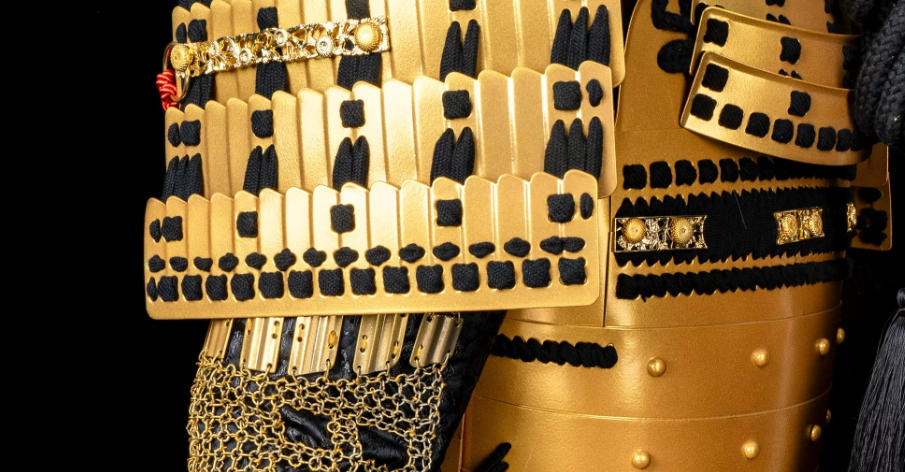
- Lacing (Odoshi): Connects armor pieces while showcasing aesthetic color patterns and family styles
- Metalwork and ornamentation: Engravings, inlays, and decorative motifs convey cultural beliefs and battlefield symbolism
These meticulous techniques not only ensure battlefield functionality but also elevate Yoroi to a cultural artifact, reflecting the Japanese pursuit of ritual, order, and aesthetics.
4. Philosophical and Historical Insights
Studying samurai armor offers a window into both the military history and the philosophical core of Japanese culture:
- Tactical wisdom: Armor design reflects strategic considerations of ancient battlefields
- Cultural continuity: Each set tells a historical story and preserves family honor
- Artistic value: Armor balances function with beauty, representing enduring cultural heritage
Samurai armor allows us to witness the courage and loyalty of Sengoku warriors while understanding Japan’s history, societal structure, and artisan spirit.
Japanese Samurai Armor (Yoroi) transcends mere protection. It is a historical artifact, art piece, and cultural symbol, embodying the wisdom, courage, and loyalty of samurai and the exquisite craftsmanship and aesthetics of Japanese artisans. Studying and collecting Yoroi allows us to experience centuries of Japanese cultural heritage.

What is Samurai Armor (Yoroi)? History and Structural Overview
Yoroi (鎧) is the traditional armor worn by Japanese samurai in battle. It is not just protective equipment—it represents samurai identity, family honor, and cultural spirit. Yoroi originated in the Heian period and developed over centuries, reaching full maturity during the Sengoku Era. It became an indispensable tool and cultural symbol for Japanese warriors.
Historical Background of Yoroi
Samurai armor evolved alongside Japan’s military history. From the early heavy Ō-yoroi to later lighter and more flexible designs, each stage reflected tactical needs and social structures:
- Ō-yoroi: Used primarily by cavalry; heavy, highly protective, indicating social rank and battlefield capability
- Karutoi / Kikko Yoroi: Lightweight and flexible, suitable for infantry and close combat, allowing swift movements
- Family crests and decorations (Mon & Kabuto): Embellishments conveyed status and honor
Frequent warfare and complex military alliances during the Sengoku period drove practical armor design, balancing mobility and protection.
Cultural Significance of Yoroi
Yoroi is more than battlefield gear; it embodies Bushido, symbolizing loyalty, courage, honor, and responsibility. Handcrafted armor merges craftsmanship, aesthetics, and functionality, reflecting the artistry and wisdom of Japanese artisans.
- Identity symbol: Armor colors, crests, and shapes signify rank, family, and battlefield status
- Samurai spirit: Wearing Yoroi represents courage and loyalty, a pledge to one’s lord and family
- Cultural heritage: Each armor set conveys historical stories and family prestige, reflecting societal and cultural structures of the Sengoku era
Structure and Components of Yoroi
Yoroi consists of multiple parts, each balancing functionality and aesthetics:
- Chest armor (Do): Protects the torso; layered steel plates and lacquer enhance defense
- Helmet (Kabuto): Protects the head; often adorned with family crests or courage symbols
- Lacing connections (Odoshi): Silk or cotton cords link parts, ensuring flexibility and comfort
- Shoulder, arm, and leg guards (Sode, Kote, Haidate): Protect limbs while maintaining mobility
- Family crests and ornaments (Mon & Maedate): Display heritage and battlefield authority
Yoroi is not only protective gear but a cultural symbol, encapsulating Japanese history, Bushido philosophy, and craftsmanship. From heavy cavalry Ō-yoroi to agile infantry armor, each piece tells a story of battlefield strategy, family honor, and the philosophical essence of samurai culture.
Studying and collecting Yoroi allows a deeper understanding of Sengoku-era strategy, samurai loyalty, and traditional craftsmanship.
Yoroi Structure and Craftsmanship Details
A complete Yoroi suit is more than protection; it is a blend of expert craftsmanship, historical wisdom, and aesthetic design. Each part reflects samurai identity, family pride, and cultural symbolism. Key components include:
1. Helmet (Kabuto)
The Kabuto is the most iconic part of Yoroi, serving as a battlefield emblem.
- Material & Craftsmanship: High-carbon steel, hand-forged, with meticulous hammering and multiple lacquer layers for durability
- Decoration & Symbolism: Tops or fronts often feature family crests (Mon), antlers, or dragon motifs, showcasing status
- Functional Design: Protects the head and face via the mempo mask, creating visual intimidation
- Cultural Meaning: Kabuto shapes and decorations reflect the samurai’s personality, lineage, and dedication to honor
2. Chest Armor (Do)
The Do is the central protective element, combining defense and aesthetics:
- Structure: Overlapping steel or copper plates resist swords, spears, and arrows
- Lacquer & Decoration: Multi-layer lacquer prevents corrosion, enhances waterproofing, and conveys family identity
- Connection: Linked with traditional lacing (Odoshi) for flexibility and strength
- Symbolism: Patterns and colors signify battlefield presence and family honor
3. Lacing (Odoshi)
Odoshi links armor components and showcases artisanal skill:
- Material: Silk, cotton, or leather ensures durability and flexibility
- Function: Keeps armor connected while allowing movement and reducing weight
- Aesthetic Value: Color and weave denote family identity and ceremonial taste
- Cultural Symbolism: Fine lacing reflects patience, precision, and samurai loyalty
4. Arm, Leg, and Auxiliary Guards
Yoroi includes auxiliary components beyond helmet and chest armor:
- Shoulder guards (Sode): Protect shoulders and upper arms, usually segmented metal or leather for flexibility
- Arm guards (Kote): Protect arms and hands with a combination of cloth, metal plates, and chainmail
- Leg guards (Haidate / Suneate): Protect thighs, calves, and knees while enabling walking and riding
- Integration: Connected with Odoshi to form a coordinated protective system
Complete Yoroi armor represents a fusion of Sengoku-era military intelligence and Japanese craftsmanship. From the imposing Kabuto to the detailed Do lacquer and skillful Odoshi, every component embodies loyalty, courage, and family honor. Yoroi is not just equipment—it is a living legacy of history, culture, and artistry, offering modern observers a tangible connection to samurai spirit and artisan culture.

Symbolism of Samurai Armor: Loyalty, Courage, Honor
In Japanese samurai culture, Yoroi is far more than battlefield gear. It embodies the core Bushido values: Loyalty, Courage, Honor, and Discipline. Each suit is not only protection but also a historical statement, identity symbol, and cultural heritage.
High-Quality Handcrafted Replicas: Historical Accuracy and Collectible Value
Modern handcrafted replicas aim to faithfully recreate the look of Sengoku-era armor. Advantages include:
- Historical accuracy: Based on authentic armor references and museum pieces
- Exquisite craftsmanship: Combines steel forging, lacquer finishing, and Odoshi lacing
- High collectible and display value: Suitable for private collections, museum exhibitions, or interior decor
- Customizable design: Size, color, and family crests can be personalized
These replicas are ideal for display, historical reenactments, film props, or martial arts demonstrations.
Why Yoroi Replicas are Popular: Long-Tail Keyword Trends
Search interest in terms like "Japanese Samurai Armor History," "Samurai Armor Yoroi Replica," and "Traditional Bushido Culture Collectibles" has been steadily increasing globally.
Long-tail keywords such as 'Samurai armor display and collection,' 'handcrafted samurai armor,' and 'full-size Yoroi suit' are also gaining popularity among collectors and enthusiasts, boosting online visibility and search engine performance.
Handmade Life Sized Golden Japanese Samurai Armor Yoroi And Custom Fit

Conclusion: Yoroi Samurai Armor — A Living Artifact of Tradition
Samurai Armor (Yoroi) is a cultural treasure blending history and craftsmanship. It represents battlefield honor while carrying deep cultural meaning and spiritual value. By understanding this iconic symbol of samurai loyalty, courage, and honor, we can better appreciate Japan’s rich historical background and the enduring legacy of artisan skill.
Whether you are a samurai culture beginner, collector, historian, or art enthusiast, exploring traditional Samurai Armor (Yoroi) provides both inspiration and aesthetic enjoyment.

:%20History,%20Bushido%20Values%20%26%20Craftsmanship)